
How often have you googled a symptom? Asked AI to diagnose your condition? Taken the word of an influencer that their wellness hack can cure you – without any scientific backing?
If your answer to these questions is regularly, or even sometimes, you’re among a growing number of people in the UK, where almost half of us (48 per cent) self-diagnose using online health information when we’re sick. Who wouldn’t, when NHS wait times and access to services make it far easier to ask ChatGPT than a GP any day of the week and 30 per cent of doctors are using AI tools in patient consultations anyway? We’re just saving precious time – or so we think.
In fact, the plethora of information online – and the health influencers peddling it to us – could actually be making us more sick and confused, argues former BBC Newsnight health correspondent Deborah Cohen in her new book, Bad Influence: How the Internet Hijacked Our Health. “When the health service fails to deliver, there’s always a commercial actor that can step into the fold and provide what people are looking for, whether it’s good or bad,” she says of why millions turn to Instagram doctors for medical advice, rather than the NHS.
“For women, it can take years to get a diagnosis for endometriosis or polycystic ovarian syndrome; that’s where social media steps in, so women feel validated,” she adds of the medical misogyny that plagues the UK health system and leaves many patients feeling alone, unwell, and unheard. “Influencers validate very well. They make you feel seen, show support, take you seriously,” she explains. “But when they use that to sell stuff that doesn’t have any evidence [backing its claims] – that’s an issue. That’s the problem for me – when goodwill is exploited.”
There are quacks everywhere. Most famously, the subject of Netflix’s Apple Cider Vinegar series: Australian influencer Belle Gibson, who claimed she’d cured her own cancer through exercise, diet and alternative medicines. She made thousands of dollars exploiting people who believed her, releasing a mobile app called The Whole Panty filled with her wisdom, before finally facing a fine from the Federal Court of Australia, which authorities last said she has largely failed to pay.
Cohen decided to write her book after her friend told her she’d just bought an Anti-Müllerian Hormone (AMH) test, which is marketed as being able to ascertain how fertile you are by measuring the levels of AMH produced in your ovary’s follicles, after seeing an advert from a clinic on Instagram. “It doesn’t test fertility,” asserts Cohen of the claims. “So, I started speaking to other friends who were looking for other tests or hormone replacement therapy (HRT), and all of them were using social media, which is basically unfettered advertising.” As women, with periods, pregnancy, fertility issues, babies, the menopause and longer life expectancy than men, we really are – pardon the pun – a fertile market for dodgy stuff.
And thanks to the internet, the market is bigger, dodgier and more accessible than ever before. “You’ve got big tech combined with micro-businesses,” says Cohen, nodding to online pharmacies, wearable wellness devices and the booming supplement market, which influencers with no health qualifications are willing and ready to recommend. “None of it’s regulated,” says Cohen. “But influencers can make money by going viral and selling it.”
Aside from steering us into purchasing a load of, at best, nonsense and at worse, dangerous products, health influencer content can make us feel ill when we’re not. This goes beyond so-called “cyber-chondria” and can progress into producing real symptoms.
The most startling example of this is how during the coronavirus pandemic, swathes of teenage girls started to experience explosive tics that weren’t typical of Tourette’s. “There was a word they said a lot, which was ‘beans’,” says Cohen. “Doctors traced it back to TikTok, where this tic was trending – some influencers were even selling merch – and young people started to emulate them. The symptoms were totally real; young people were having very real distress – tics are sometimes an unconscious expression of anxiety at a time of incredible uncertainty – but social media was how they were absorbing these behaviours.”
Often, our health is linked to our mind – and it isn’t just a scientific fact. “Our healthcare is shaped by our expectations, our perceptions, our past experiences, what we read and what we see,” explains Cohen. “Some of these things can and will turn into physical symptoms. It’s similar to how, sometimes, when we see someone else vomit, we start to feel sick ourselves; it’s that mind and body connection. Your stomach might go – and that’s not because you’re infected, that’s your brain producing those symptoms.”
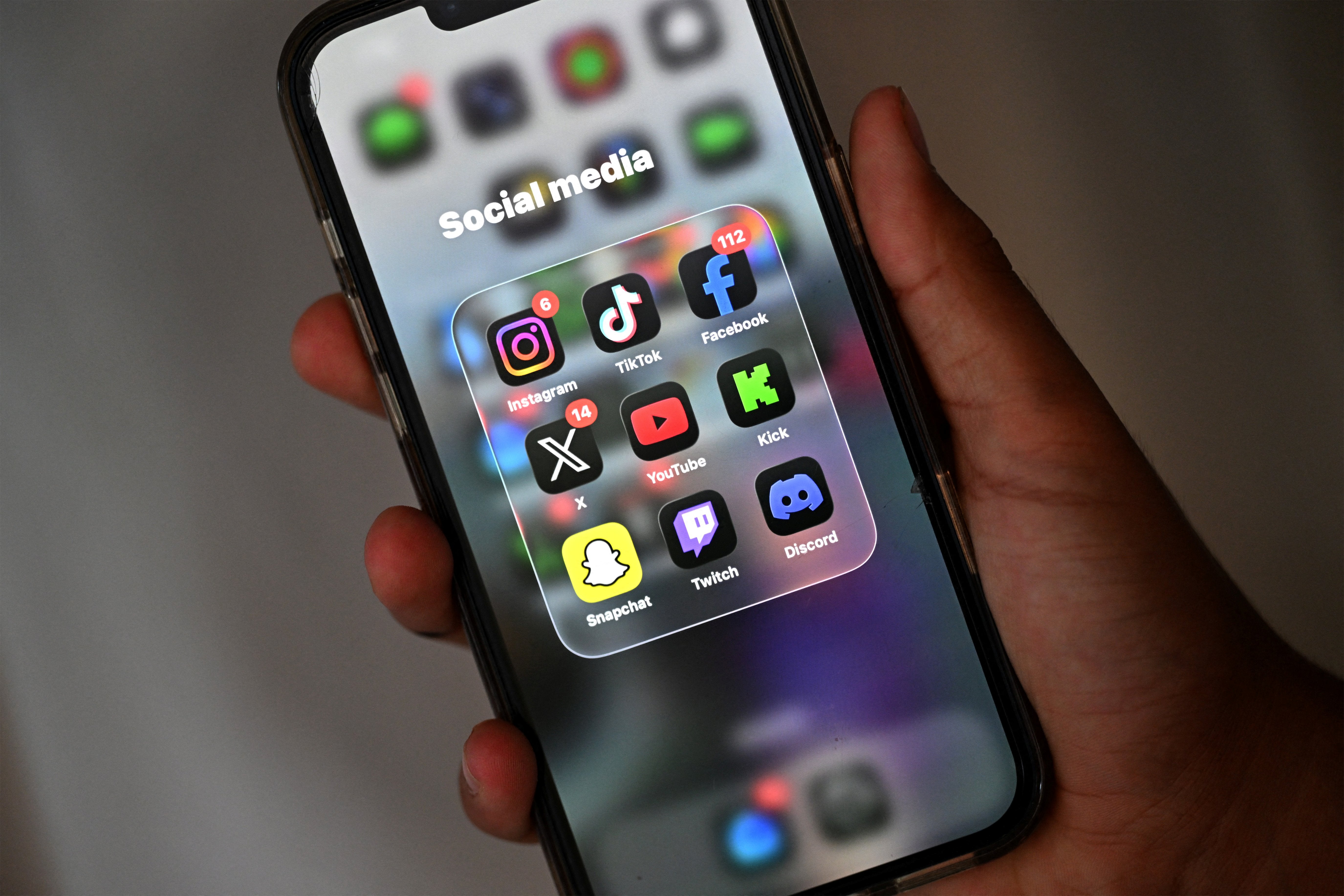
On TikTok and Instagram reels, our algorithms can feed us first-hand accounts and explainers of a myriad of illnesses every day. This can trigger the “nocebo effect”, which is similar to the placebo effect; but instead of believing a treatment is going to alleviate our symptoms, we believe we’re going to get the same condition we’re watching. “Seeing and believing can translate into feeling,” Cohen explains, referencing a 2014 case in El Carmen de Bolivar, Colombia, where growing numbers of young women started fainting after having the HPV vaccine. “The belief that they’d get dizzy and faint spread on social media,” she says. “So, there wasn’t any pathology or organic cause for it. It was mind and body – a mass nocebo effect.”
There’s also the Barnum effect, or horoscope effect. “When you read a horoscope, there’s always one of two lines in there that relate to you,” Cohen explains. “You’re like, ‘oh my goodness, that’s me’. This is what can happen when influencers describe symptoms of a condition – particularly something like attention defecit hyperactivity disorder (ADHD). They’re not even always describing recognised symptoms, the ones that would be detailed in a psychiatry manual, so start to think ‘this is me’ because you see yourself in their description.”
Online health information is seductive in its certainty. Post after post claims that miracle products are going to get rid of your bloating, make you thinner, help you concentrate, or stop sleepless nights. Obviously, these are all phrases people love to hear and doctors don’t say them – for good reason. “Medicine is about uncertainty, statistics and risk,” explains Cohen. “A doctor can never be sure when they give you a treatment how you’ll respond. You might have the benefit or the side effect. Social media, on the other hand, is very certain. If a pill works for one person, they tell everyone it could work for them, too. All nuance gets lost.”
So, when and why did we get so gullible when it comes to health information online? Cohen says it stems from the concurrent rise of TikTok and coronavirus that led us down this unquestioning path. “The pandemic turbocharged everything,” she says. “We saw this big uptick in health providers on TikTok… [and] at the same time, we got more used to testing ourselves and that’s seen an increase in the uptick of companies offering diagnostic at-home tests. So, social media gave the consumerisation of health a ready-made platform.”
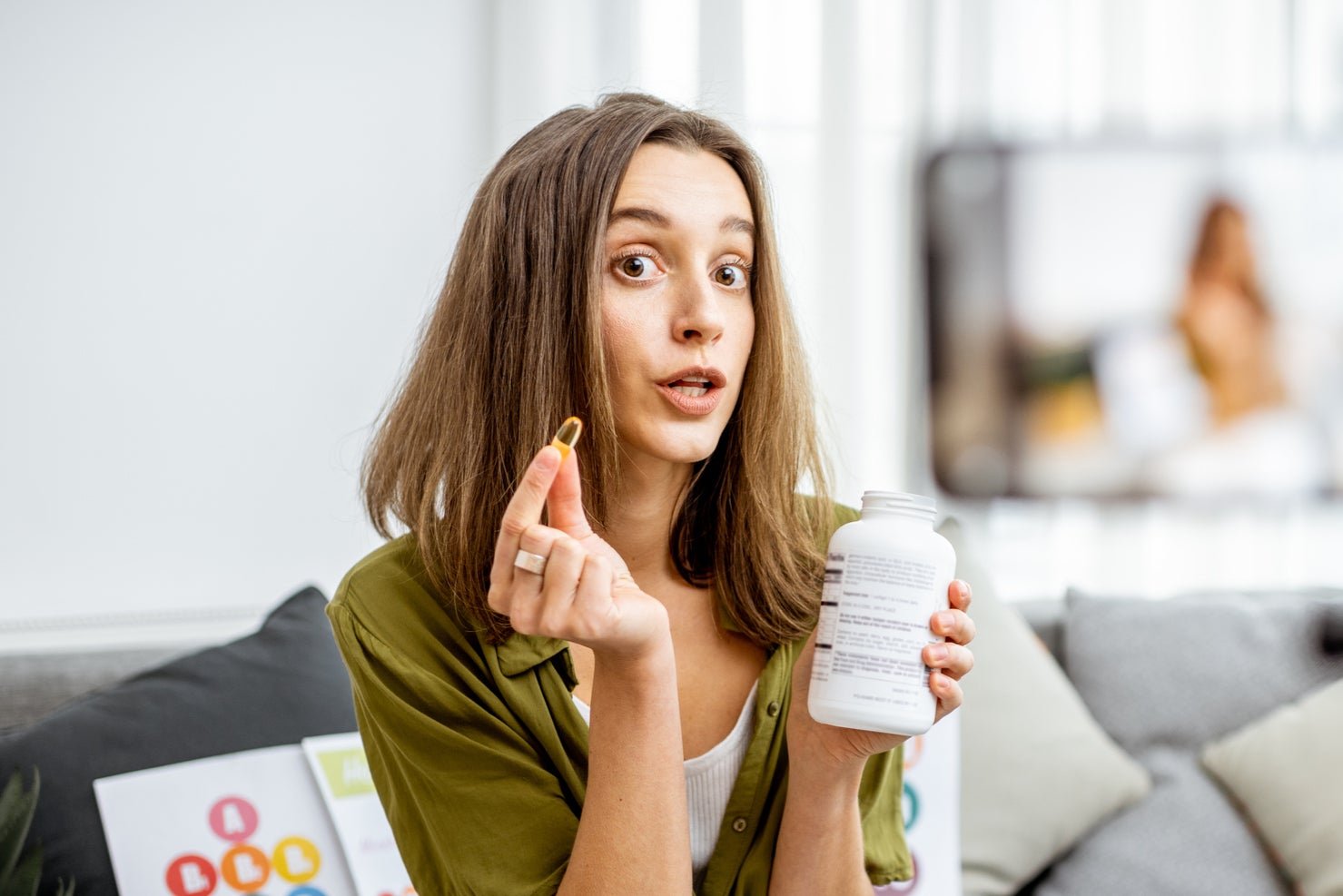
Not all health and wellness influencers or online professionals are made equal. While some are fraudsters, others – particularly in the underfunded field of women’s health – do truly want to help, but it can be tricky to locate the sincere among the scammers. Cohen has three tips to help users stay protected when researching health online: Ask why someone’s telling you the information, look into who’s making money from the promotion, and question whether there’s evidence of the benefits and harms of the treatment. “You don’t have to be totally nihilistic Just be a little bit sceptical,” she says, adding to always cross reference any medical advice from social media or AI with the NHS website.
At a time when many people feel dismissed by medical professionals, knowledge can feel like power, but thanks to misinformation – it can do more harm than good. “We’re more confused than ever before,” says Cohen, who says many health professionals are frustrated by online medical rumours that make their jobs harder.
“One gynaecologist I spoke to says women wait months to see her and then they have to spend half of the 20 minute appointment unpicking what they’ve read on TikTok,” she says of the costly price of debunking. “It’s the same with the doctors who prescribe HRT. They say, ‘I don’t have time to give women good tips about how to manage their symptoms because we’ve run out of time.”
Ultimately, the immediacy of online health advice will be a tricky competitor for the healthcare service to challenge. “It’s difficult, they’re far more constrained than an influencer is,” says Cohen. “The NHS needs to be better at how they communicate with patients. People’s experience of healthcare can be utterly awful – and I don’t blame anyone for going on social media to research for themselves. Just be careful you’re not being exploited.”
‘Bad Influence: How the Internet Hijacked Our Health’ is out now