

Two children from the same family are among seven confirmed cases worldwide with an incurable ultra-rare disease.
In November 2022, Mel Dixon, 46, and her husband Charlie, 47, received “the heartbreaking news” that two of their three children – Tom, 15, and Rosie, 10 – carry a mutation of the DHDDS gene.
The neurodegenerative condition causes seizures, tremors and neuro-developmental delays.
When diagnosed, the couple, who live in London, were told there were only 59 confirmed cases worldwide – although there are 80 documented now – and there is no treatment or cure, leaving them “devastated”.
Ms Dixon said there are still only seven cases of Tom and Rosie’s particular DHDDS gene mutation.
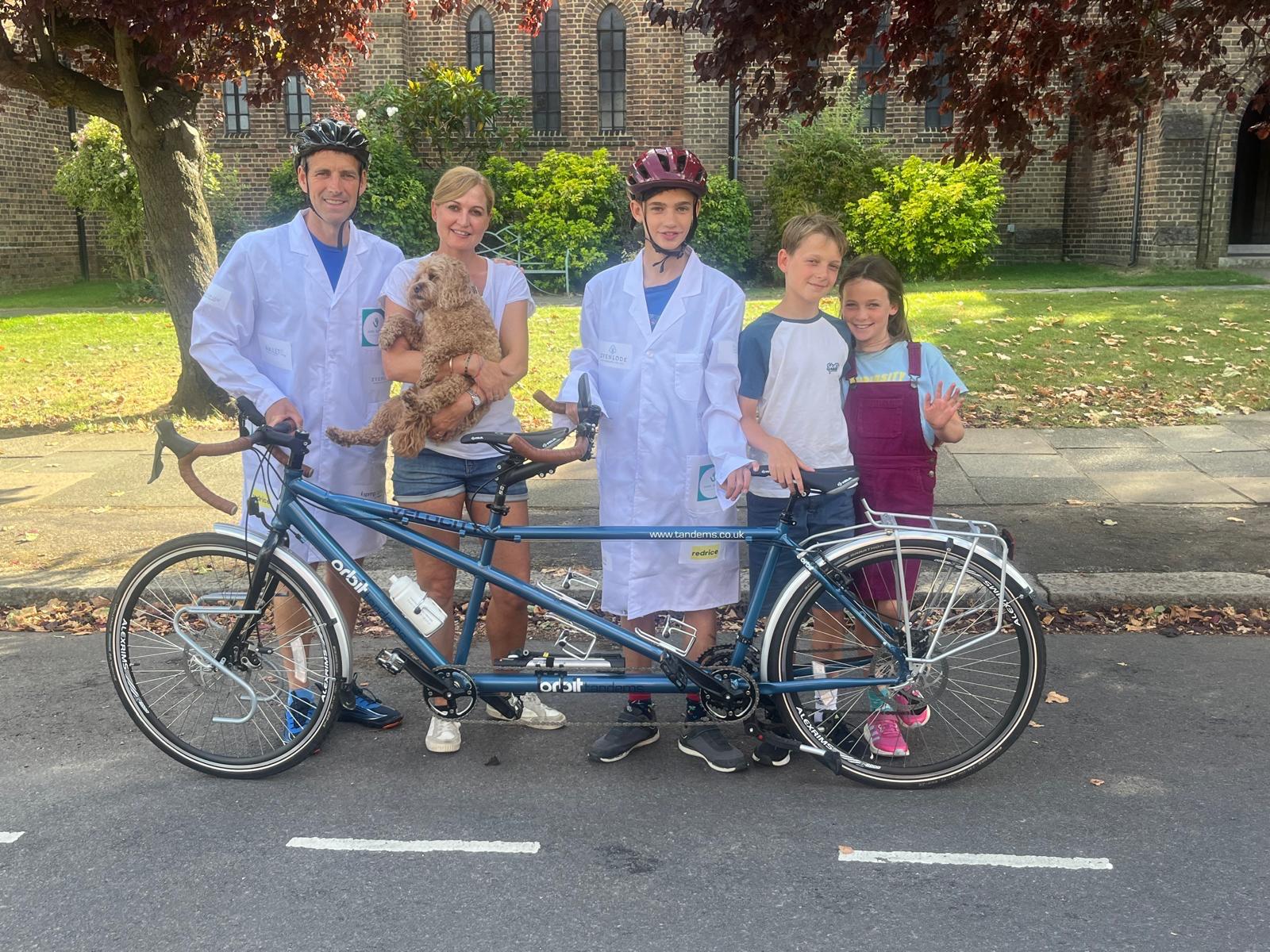
Racing against time to fund research into treatments and therapies, the couple have organised several events through their charity, Cure DHDDS, including a 50km walk in July 2023 and a 950-mile tandem bike ride in August 2024.
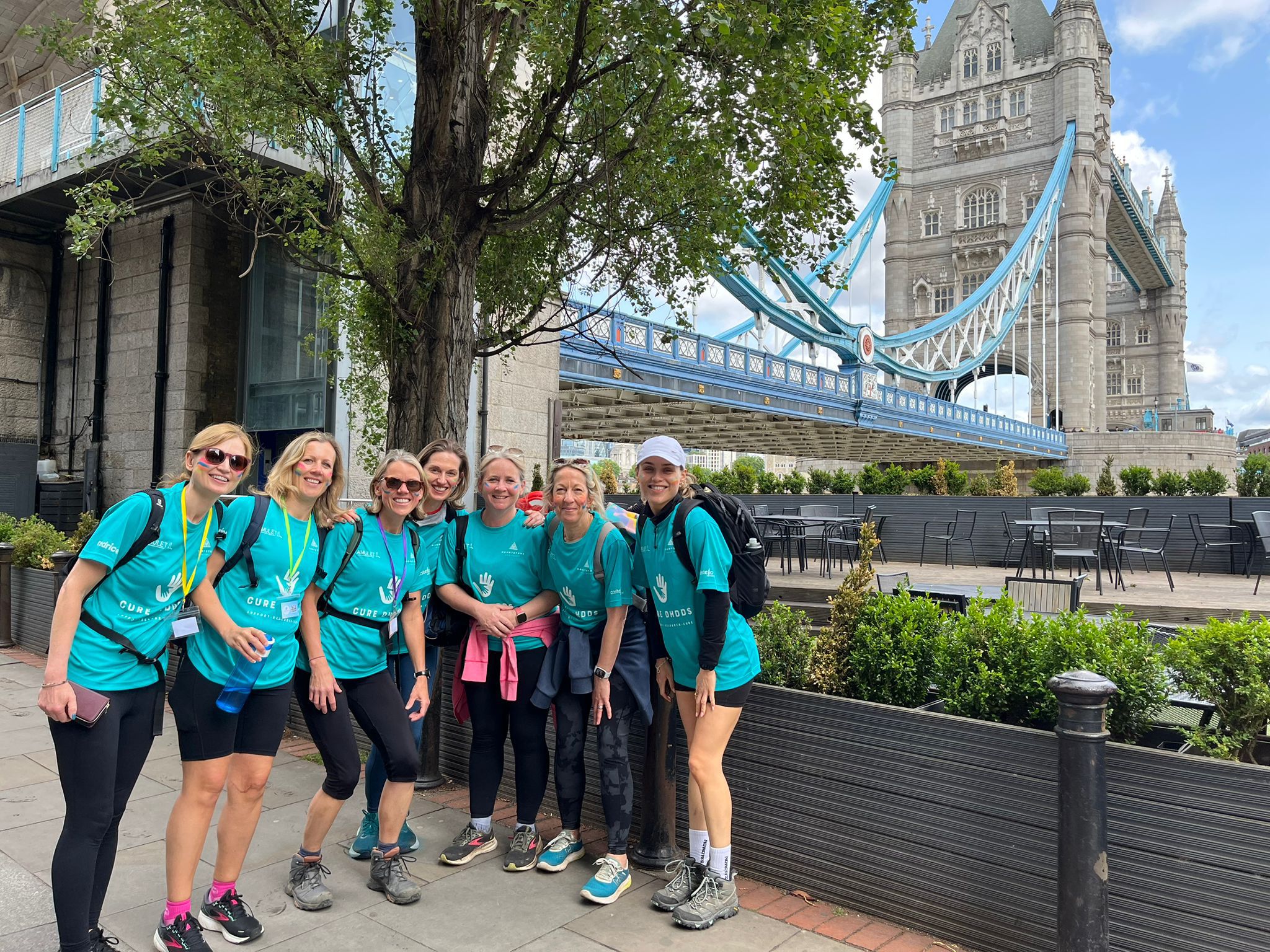
Most recently, the couple organised a charity “warrior walk”, where 130 people, decorated in brightly-coloured face paint, took to the Thames Path in London, walking 40km, 20km or 7km to raise further vital funds.
Ms Dixon, co-founder of Cure DHDDS, said the donations “mean everything because, without them, we can’t fund the research and, without the research, we’re not going to get treatments – it’s that simple”.
“Tom and Rosie are warriors because, if anyone who didn’t have difficulties had to walk in their shoes for a day, they would understand how challenging it is.
“They just get on with their day, they never complain, and they just battle on because it’s what they know.”
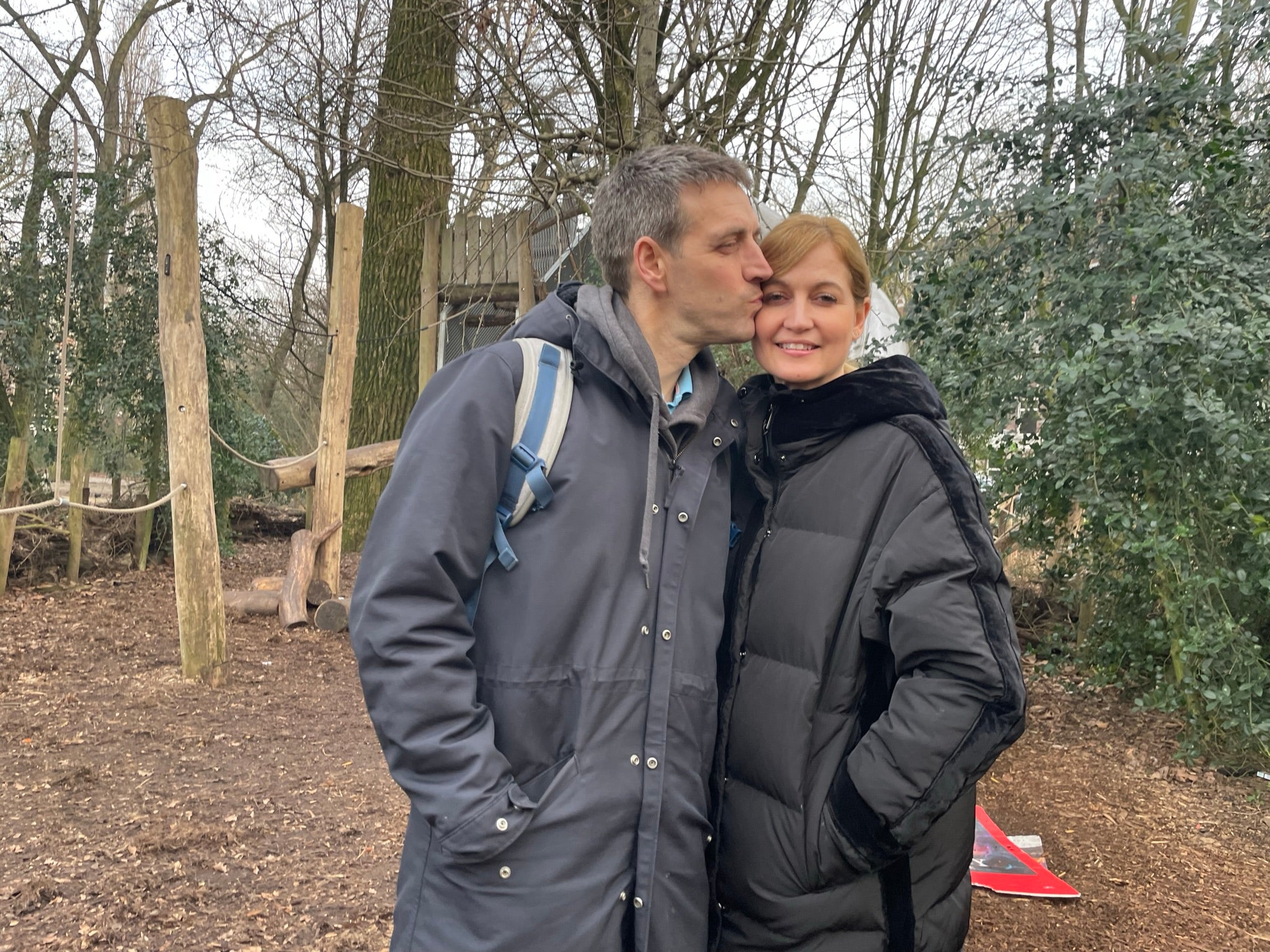
Mel and her husband Charlie, who works in fund management, have three children – Tom, 15, Harry, 13, and Rosie, 10.
After Tom and Rosie were born, they were “late with all the milestones”, such as walking and speaking, and both were diagnosed with mild learning difficulties and dyspraxia, which affects their coordination, while at primary school.
However, it was only after Tom and Rosie underwent Whole Genome Sequencing testing at St George’s Hospital in London, which can detect changes in your genetic make-up, that the DHDDS gene mutation was discovered in November 2022.
“They’ve got one spelling mistake (a mutation) in a very important part of their DNA,” Ms Dixon said.
At the time of their diagnosis, the couple were told there is no treatment available, and the disease is neurodevelopmental, neurodegenerative and ultra-rare.
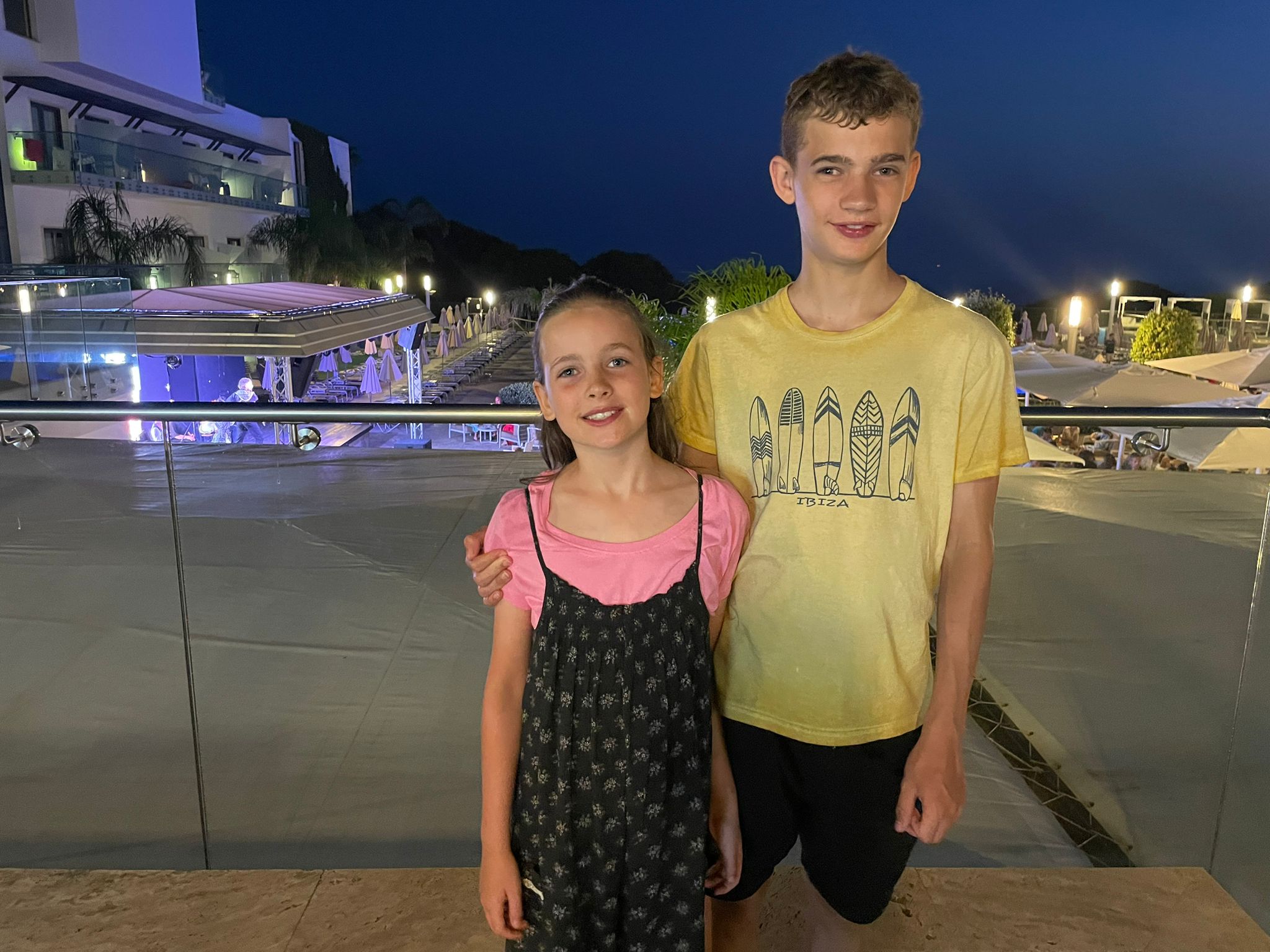
Without treatment, symptoms such as psychosis, Parkinsonism and cognitive decline can take hold of many DHDDS patients.
“The geneticists told us it’s up to us as parents to fund and drive the search for a cure,” Ms Dixon said.
Day to day, the two children use weighted cutlery to eat because their hands are not “steady enough”, they use heavy glasses which are half full to prevent spillages, and they use thick pencils to aid with their grip.
They also struggle with their balance and they learn at a slower pace, but, despite their daily “battles”, Ms Dixon said Rosie is always singing and performing and Tom loves technology, trains and buses.
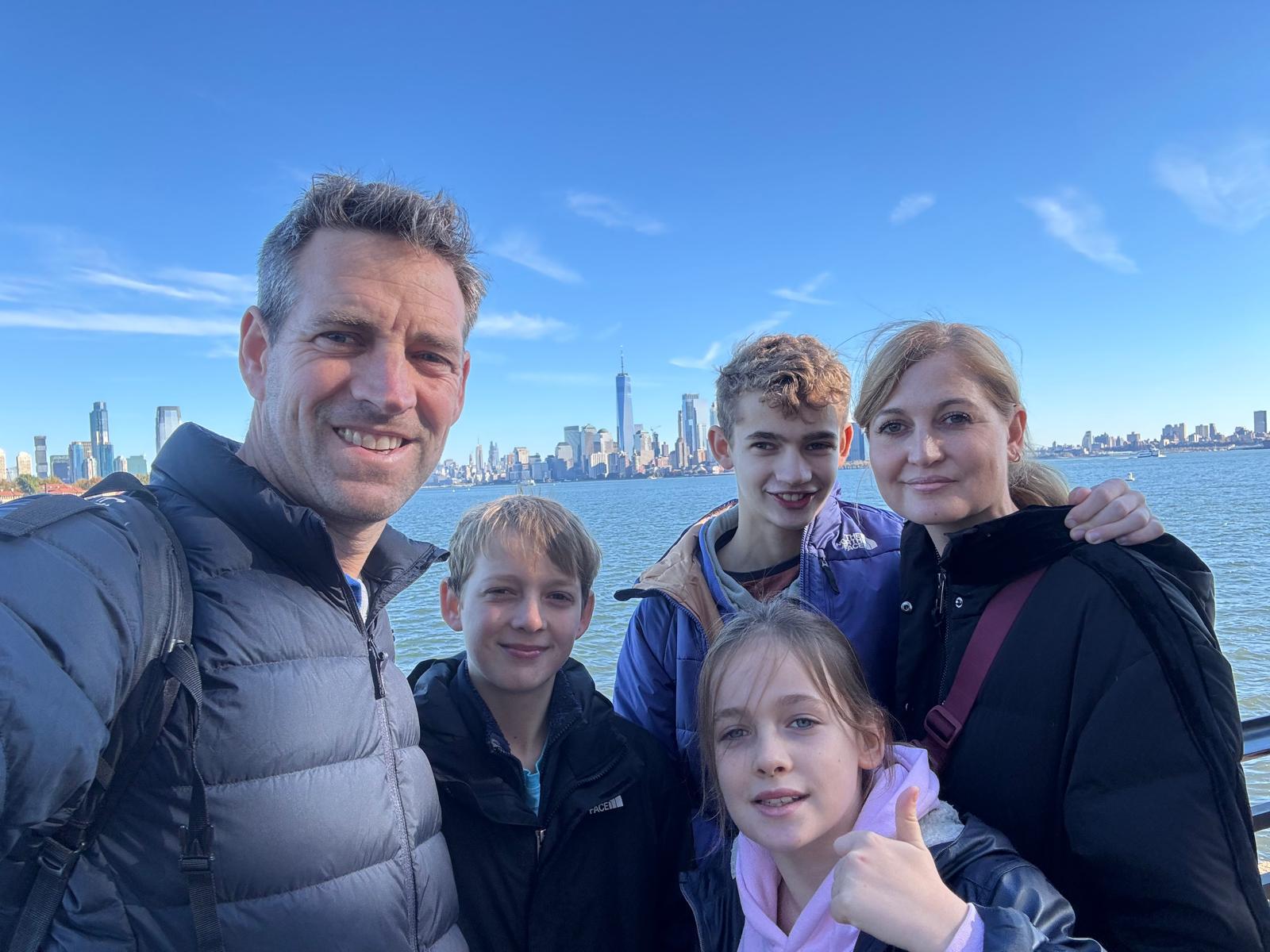
“They both have so much joy to give the world and are more than worth every bit of this fight,” she said.
Ms Dixon and her husband believe the vitamin biotin has since helped to reduce the children’s tremors, meaning drinking from a cup is now “more manageable” for them.
In addition, following a “drug repurposing screening” through their charity, they have discovered that the supplement Nicotinamide Mononucleotide (NMN) has led to improvements in Tom and Rosie’s metabolic pathways.
“They’ve been taking that for six months, and we think it’s helped dampen the tremors,” Ms Dixon explained.
“We’ve noticed, particularly with Tom, he’s been much more engaged and present, less in his own world. He seems more confident and chattier.”
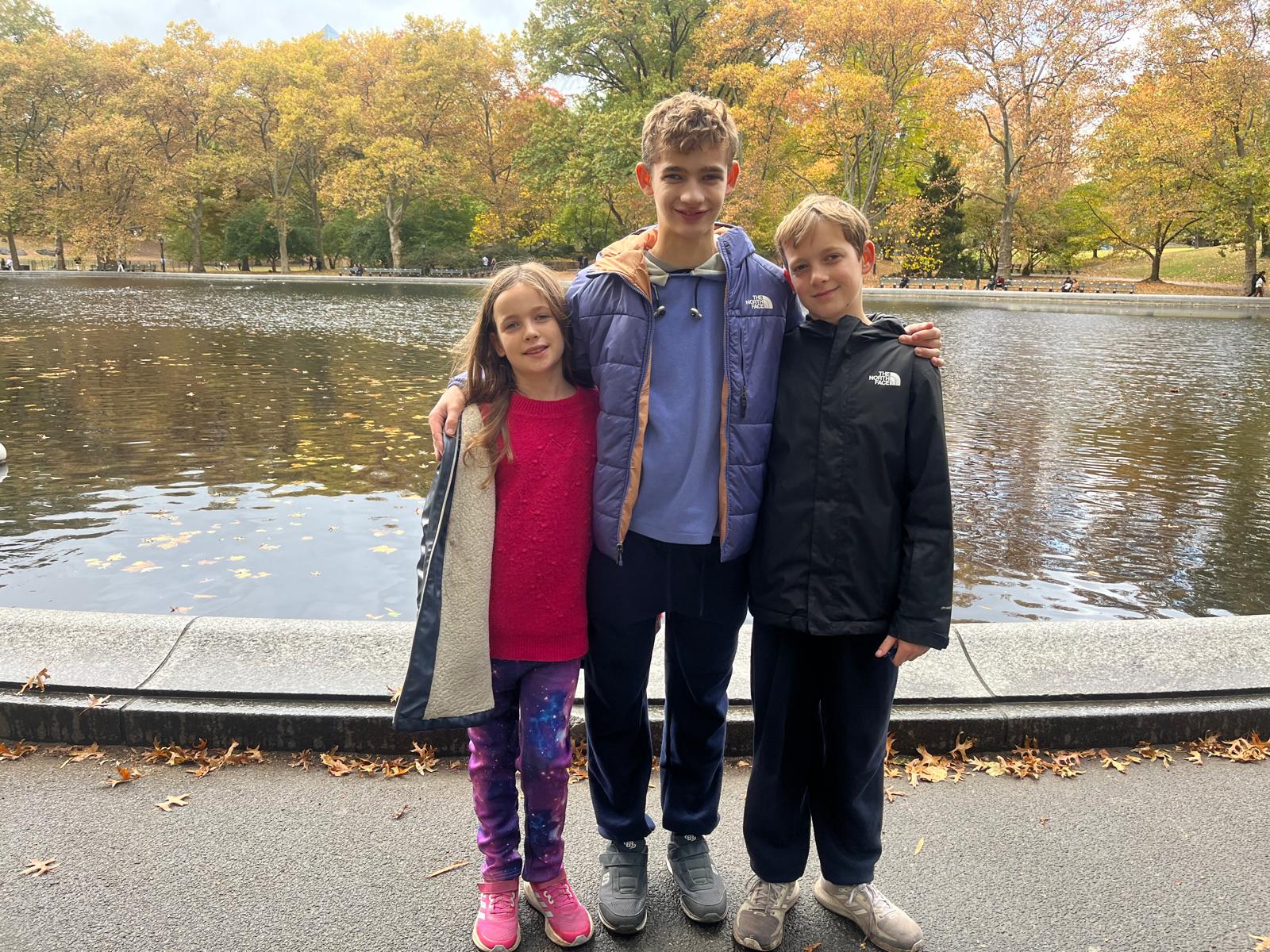
The two children go for regular check-ups every six months and, currently, their condition is “stable”.
In adolescence, however, Ms Dixon said DHDDS patients’ symptoms can impact their walking abilities, leading to some teenagers requiring walking aids or stairlifts in their homes.
Mel and Charlie are acutely aware that Tom and Rosie’s symptoms could deteriorate, so their drive to fund new research into treatments continues to be their priority.
“Obviously, we have moments where it is trickier… but we are learning more and more about how it affects people as they get older,” she said.
With their charity Cure DHDDS, Mel and Charlie are working toward a £1.5 million fundraising goal to support drug repurposing research and gene therapy development.
They say scientists across the UK, Europe and the US are hopeful, but progress depends on financial support, and this has led to several annual fundraising events since the charity’s launch in 2023.
This year, 130 people, ranging from a two-month-old baby being carried to a 79-year-old grandfather, set out on a 40km journey from the Thames Barrier in Woolwich to Mortlake on June 8, with some walking shorter distances of 20km or 7km.
Everyone who took part wore a turquoise T-shirt and painted their face with warrior-inspired designs to symbolise the ongoing “battle” faced by families affected by DHDDS and other ultra-rare conditions.

Ms Dixon said the nine-hour walk was challenging and “emotional”, but it was “amazing” to see everyone come together, and the total amount raised currently stands at £70,000.
She and Charlie hope to continue raising awareness and funds to help find treatments and, hopefully, an eventual cure.
“The huge thing for us is being able to have hope,” Ms Dixon said.
“Not having hope, it almost feels like you’re giving up on the kids and you’re not giving them the possibilities of a better future.
“Every advancement that’s been able to happen in science is because someone’s refused to accept the limitations that are there currently.
“We feel that having hope has opened up opportunities and we feel much more optimistic for their future.”
To donate, visit Mel’s JustGiving page. To find out more, visit Cure DHDDS.