

In one of the most culinarily diverse metropolises of India, which is bursting at the seams, a smoking courtroom drama is sizzling over the steady flame of the disputed rightful ownership of the finger-licking curry called butter chicken — a fare to die for, truly.
The arguments over the unique dispute regarding the ownership of the delicious recipe will continue at the Delhi High Court (DHC) tomorrow (September 12). The case involves two Delhi-based restaurant businesses —Moti Mahal and Daryaganj— as the parties at the centre of the matter.
The lawsuit began in January 2024 when both parties claimed to have innovated the recipe. Moti Mahal claimed the right to be the sole owner and inventor of the dish, demanding that Daryaganj withdraw its bid and pay $240,000 in damages. The case, which last saw a hearing in May, now awaits the submission of documents by all parties to kick-start the arguments.
Interestingly, the story originated in the bustling bazaars of Peshawar, specifically at the now-defunct Moti Mahal Hotel, founded by the late Kundan Lal Gujral in 1920.
He was a chef and restaurateur who, after the Partition, moved to India, settled in New Delhi, and opened a restaurant of the same name in 1947. Gujral is credited with introducing several dishes that have since become popular worldwide, including butter chicken, paneer makhani, tandoori chicken, and dal makhani.
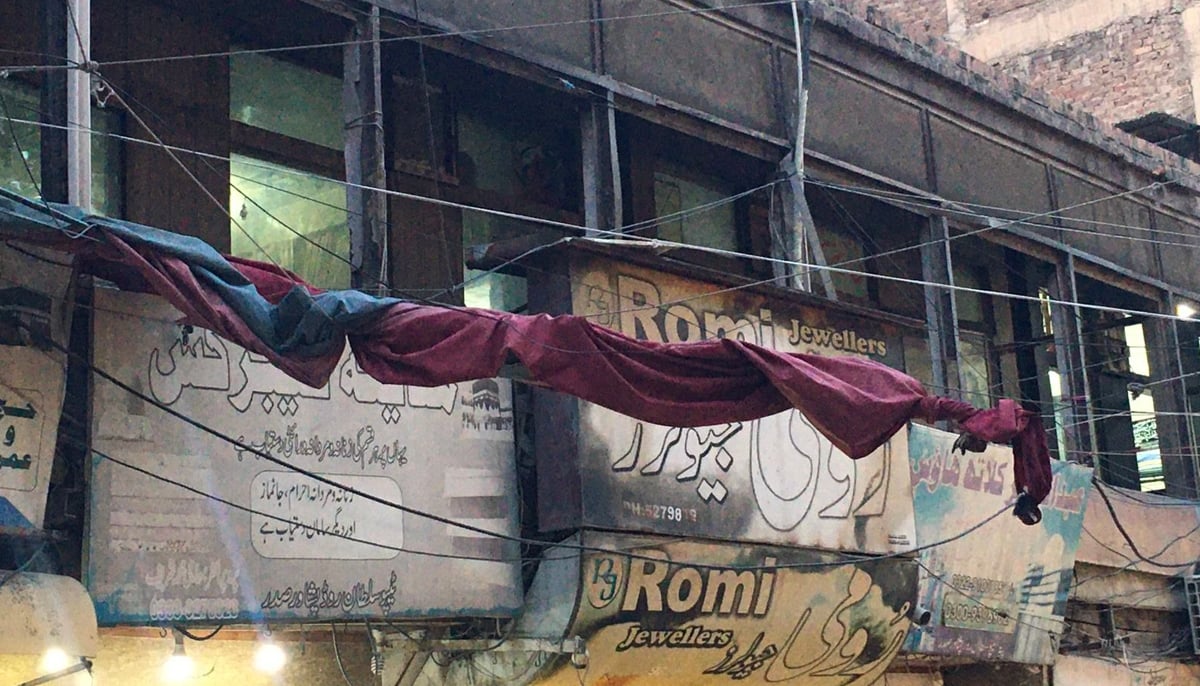
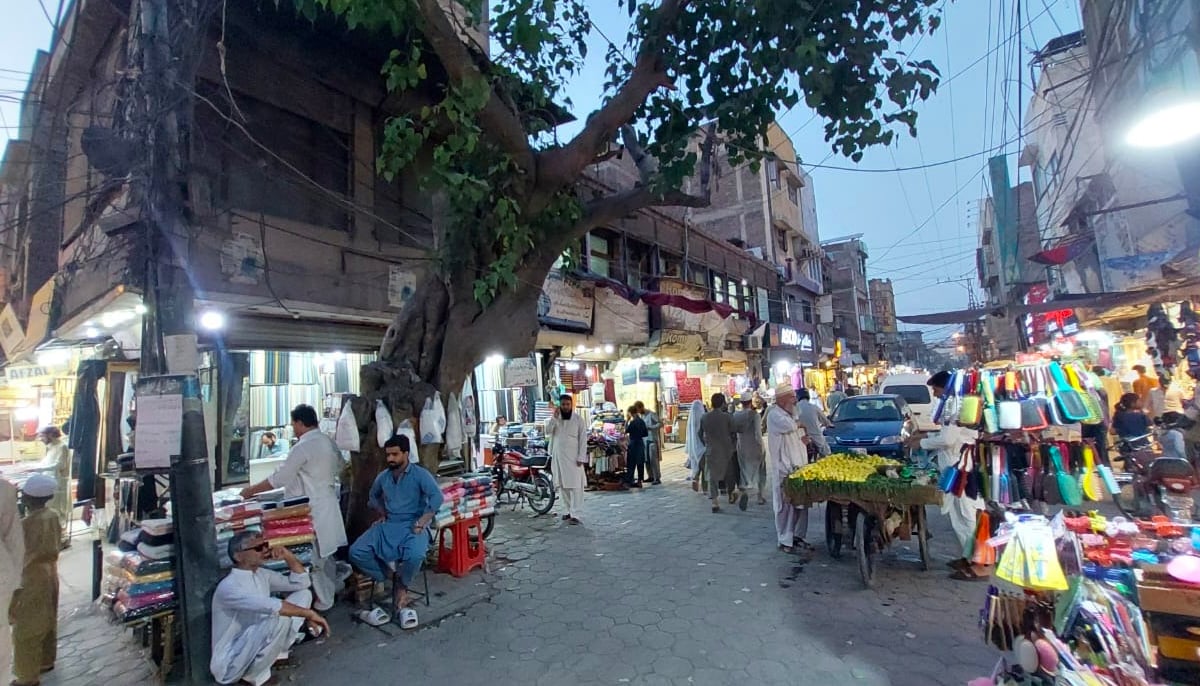
Think of Peshawar Cantonment in the early 20th century, at the teeming Fawara Chowk near Tipu Sultan Road. Here, on the first floor of a building overlooking the Jalandhar Sweet House, once stood the renowned Moti Mahal Restaurant, a sanctuary for food lovers for its rich, flavourful dishes.
Mushtaq Khan, a senior resident of Peshawar, reminisces with Geo.tv about the glorious days of Moti Mahal. He recalls the aromatic teas, crispy pakoras (fritters), cheesy delights, and tangy yoghurt-based snacks that the restaurant was known for all over Peshawar and even beyond. The restaurant was a bit high-end for the average-income person and was mostly frequented by the wealthy, including the British during the days of the Raj.
The kitchen — always was steaming, hissing, sizzling, smoking, and stirring with activity during the dining hours — was located on the ground floor, where now is a clothing shop owned by Iqbal Arif, an age-old resident of Peshawar. Talking to Geo.tv, Iqbal shared a poignant memory of the 1980s about Gujral.
“During General Zia-ul-Haq’s regime, someone saw Mr Gujral in the flesh, softly sobbing and reflecting on his erstwhile restaurant as he propped himself against a tree in front of Iqbal’s cloth shop,” Iqbal narrated.
Discovering that the place where he had brought his culinary dream to life was still cherished by people, who still missed the delicacies his former restaurant once offered, gave him great solace.
According to Iqbal, about 15 years ago, Gujral’s young niece came all the way from India for what he called a pilgrimage to the site of her uncle’s fabled eatery. She returned home with a wealth of tasteful audiovisual memories, the warmth of local hospitality, the gist of the historic spot, and much more.
“Back in the day, the upper floor of the former Moti Mahal restaurant housed a traditional tandoor, where the feted Peshawari naans were baked and succulent tandoori chicken was barbecued, spicing up the gastronomic adventures of the frequenters,” Iqbal added.
Veteran Advocate Shakeel Chandra from Peshawar also has a repository of stories about Moti Mahal and its founder, Gujral.
Recalling a chance meeting with Gujral in India in 1981, while visiting the Moti Mahal restaurant in New Delhi, he told Geo.tv that nostalgia got the better of him as the old eatery owner shared stories of his former restaurant in Peshawar.
“This Peshawar Moti Mahal was a truly bucolic retreat with traditional seating arrangements of charpoys instead of chairs and tables, offering popular dishes like chargha, butter chicken, and malai boti,” Advocate Chandra quoted the veteran restaurateur as saying.
Talking to Geo.tv, Syed Aqil Shah, former provincial minister, and a long-time resident of Peshawar’s Saddar area, shared his encounter with Gujral at the Moti Mahal in India.
It’s not hard to imagine that this sentimental interaction must have left Gujral drawing parallels between the two Moti Mahal restaurants, and how passionately he would have spoken about how a culinary legacy was bridged from Peshawar to New Delhi.
Shahid Khan, another resident of Peshawar and a renowned businessman told Geo.tv that he had never heard of the late Kundan Lal Gujral and the famous Butter Chicken in the same breath until recently. However, today, Moti Mahal’s Gujral and his legendary recipe are the talk of the town, for the most part owing to the court case over the ownership of the recipe, he added.
In our search for the people, who might still have something to share with us about the Moti Mahal and Gujral legacy, Geo.tv ran into Chaudhry Abdul Ghafoor, an elderly and respected businessman of the Saddar Bazaar, who was sitting on a goldmine of information.
Speaking to Geo.tv, he recounted how Gujral assisted his father in his business for many years. “My father often talked of a vibrant restaurant in Saddar Bazaar, where tea and liquor were served abundantly, and the kitchen was reigned supreme by none other than Kundan Lal Jaggi,” said Abdul Ghafoor, retrieving old memories.
Ghafoor sahib said the restaurant was a kind of royal retreat for the high-profile guests, a place where the elite socialised over deluxe meals.
However, despite the vivacious culinary zeitgeist of that time, butter chicken was nowhere to be found on the menu in Peshawar’s Moti Mahal, he revealed, raising new questions about the mystery behind the cream-loaded dish.
Instead, according to what Ghafoor’s father had told him, Gujral innovated these epic recipes after moving to Delhi, where he introduced tandoori chicken, a dish that would later become all the rage in India as well as around the world.
Ghafoor sahib’s wisdom says that the reasons that gave rise to this remarkable recipe were both practical as well as visionary. He said it was the deficiency of protein in the Indian diet — because the Hindu community is mostly vegetarian — that may have prompted Gujral, to create tandoori chicken because of its nutritiveness. This wonder dish not only solved the issues of dietary deficiencies but also pioneered a new era of subcontinental cuisine, changing the way we relish chicken forever.
In the quest to hear the two businesses at the centre of the unique legal battle, Geo.tv also reached out to both Moti Mahal and Daryaganj in Delhi — both of whom stand by their respective claims over the contested chicken recipe.
Kundan Lal Gujral — Moti Mahal’s astute businessman and culinary expert
Monish Gujral, the managing director of Moti Mahal, in an email interview to Geo.tv, contended that butter chicken was one of the dishes invented by Kundan Lal Gujral, the founder of the Moti Mahal chain, claiming that the dish was, in fact, “invented in Peshawar”.
“The Moti Mahal menu has an influence of north-west frontier and traditional dishes such as Burra kebab, mutton korma, rara gosht, naan etc besides our inventions like tandoori chicken, dal makhani, and butter chicken among other dishes,” he said, highlighting how the restaurant infused the traditional food culture of Pushtuns and that of Peshawar to its food in the post-partition and modern-day India.
“In 1947, after the partition of India and Pakistan, Late Chef Kundan Lal Gujral moved to Delhi and opened the first Moti Mahal restaurant, the land of which was granted to him by way of rehabilitation conveyance deed by the then President of India, Rajendra Prasad,” he said, adding, “The restaurant soon became famous for tandoori chicken, a recipe Late Chef Kundan Lal Gujral had created and brought with him from Peshawar.”
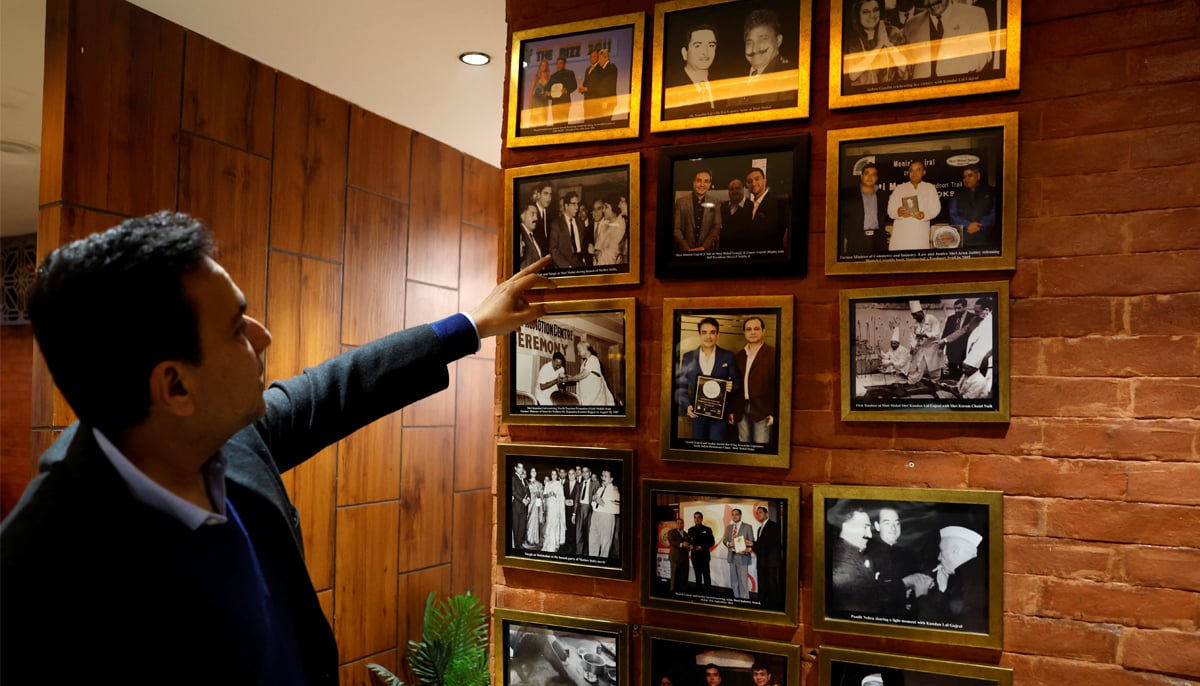
According to Monish, Kundan Lal was the “main chef” at the restaurant, who experimented with food all by himself. “Though he was assisted by his other partners, however, none of them had any role to play in the kitchen whatsoever.”
In his interview with Geo.tv, the managing director spoke highly of Kundan Lal’s culinary expertise alongside his calibre as an astute businessman. He revealed how the restaurateur began worrying about his cooked chicken drying out, as the unsold leftovers of chicken could not be stored in refrigeration back in the early days, which eventually led to the creation of the sauce used to hydrate the meat.
“His invention was ‘the makhani’ or butter sauce that led to the creation of the world-famous dish ‘butter chicken”. He came up with the brilliant idea of simmering the chicken in a luscious gravy with tomatoes, butter, cream and some spices to help them retain moisture,” said Monish, detailing the origins of the world-famous South Asian recipe.
The restaurateur said that butter chicken has since traversed the globe, and is an integral part of Indian cuisine even to date. “The resulting dish became such a sensation that it’s now available on menus worldwide and is used as an indicator to identify Indian cuisine around the world.”
Monish maintained that the invention of dal makhani is also closely linked with the invention of butter chicken.
“He applied the same recipe with black lentils and gave birth to dal makhani around the same time, as documented by the celebrated veteran journalist Vir Sanghvi, proof of which is attached with the present plaint,” he said.
He also confirmed the reports about Kundan Lal’s much-talked-about visit to the Khyber Pakhtunkhwa’s capital, expressing his deep respect and love for the city.
When asked if Moti Mahal — which has over 500 locations in over 30 countries around the world — would ever consider opening an eatery in Pakistan — owing to the traditional legacy of its business rooted in Peshawar — Monish said: “We are open to expansion, however, it depends upon Indian laws.”
When questioned about their expectations from the court, Moti Mahal firmly stands on its argument, requesting to restrain Daryaganj from claiming that the late Kundan Lal Jaggi was the inventor of the dishes – butter chicken and dal makhani and that Gujral was was simply responsible for the “front end management”.
“We further expect the Respondents to be restrained from using the tagline ‘by the inventors of butter chicken and dal makhani’ on its website and various social media websites,” said Monish.
How Chakwal’s Kundan Lal Jaggi blended Peshawari flavours at Daryaganj?
At Daryaganj, Rajinder Jaggi — the director of Moti Mahal Associates and the son of the late Kundan Lal Jaggi, who was born in Chakwal’s Hasil village — details about his family’s roots in Pakistan dating back to the pre-partition times.
The restaurant attracted visitors from all over the world and was the favourite of former Soviet and Pakistan prime ministers Nikita Khrushchev and Zulfiqar Ali Bhutto, respectively. Khrushchev would even have handpicked dishes from the menu flown to Moscow for his official banquets.
Rajinder was born in India during the partition, so he didn’t have the chance to experience Peshawar first-hand, he said, in an email interview to Geo.tv. However, he often reminisces the many vivid stories of Peshawar that painted a rich picture of his family’s past, shared by his parents, both of whom were from the city.
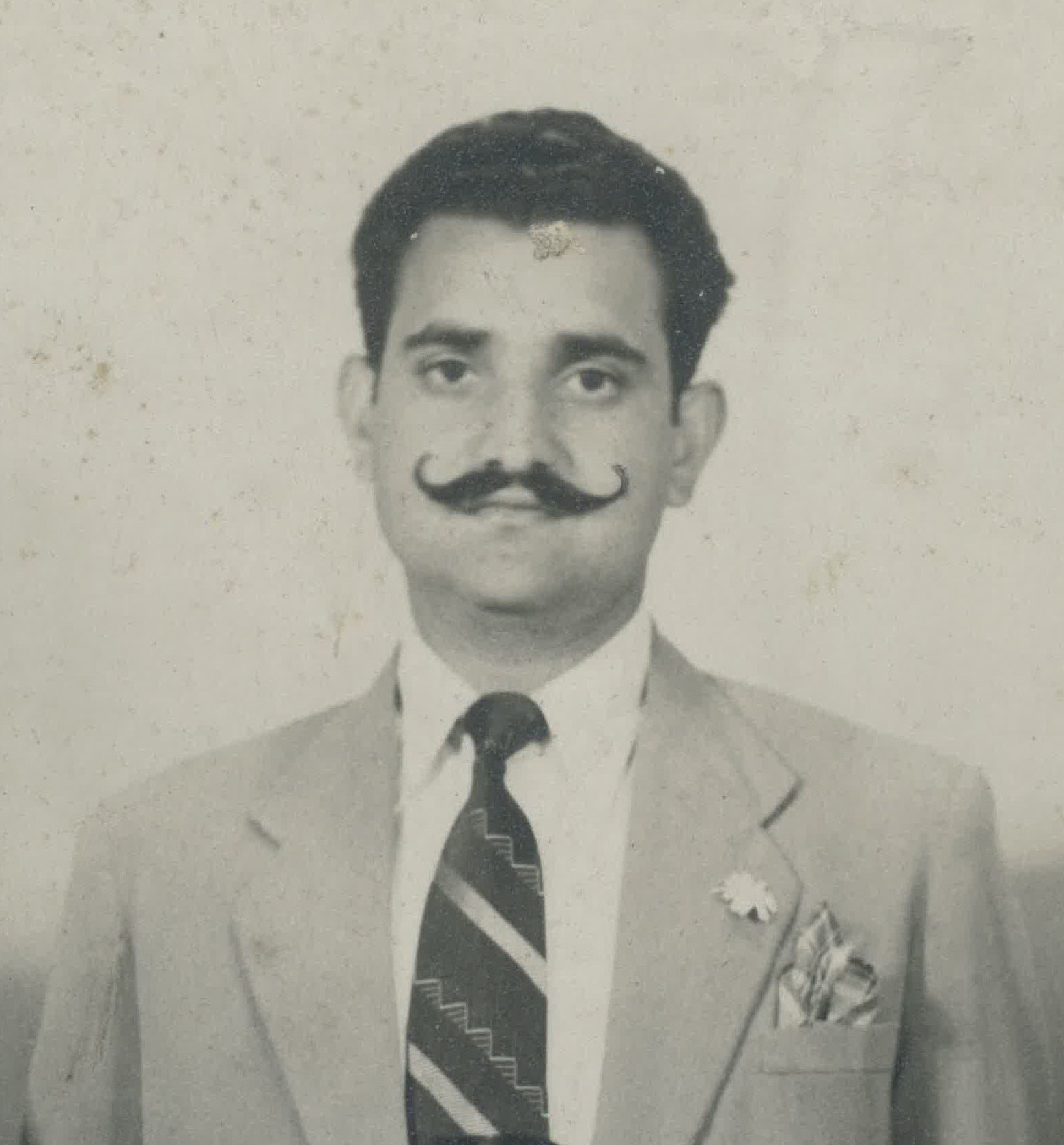
At present, Kundan Lal Jaggi’s grandson, Raghav Jaggi and his business partner Amit Bagga operate the restaurant’s operations together.
Detailing his father’s roots in both the pre-partition KP and Punjab in Pakistan, Rajinder said: “As a young boy with aspirations beyond his village, he ventured to Peshawar.”
There, the restaurateur found himself under the wing of Mokha Singh — a Sikh gentleman who owned a bustling restaurant in the Saddar neighbourhood. Mokha, a friend of Rajinder’s maternal grandfather, took Kundan Lal Jaggi on as an apprentice.
“The skills and knowledge my father gained at Mokha Singh’s restaurant were invaluable. He learned the art of balancing flavours, the importance of fresh ingredients, and the secrets behind creating dishes that left a lasting impression,” said Rajinder, revealing that these formative experiences in Peshawar were pivotal in shaping the culinary journey of his father.
The restaurant scene in Peshawar, as described by Rajinder, was vibrant and highly integrated. “For instance, the head of the police in Peshawar once praised a particularly tasty meat dish and sent his cook to Mokha Singh to learn the secret… such interactions were common, reflecting the close-knit and supportive community,” he said.
It was because of the skills acquired at Mokha Singh’s restaurant that his father was able to invent the iconic dishes of butter chicken and dal makhani, forever changing the landscape of Indian cuisine, claimed Rajinder, adding that these dishes were a testament to the rich culinary heritage his father brought from Peshawar.
The octogenarian added that while the partition forced Kundan Lal Jaggi to leave Peshawar, he carried with him not only the city’s memories but invaluable culinary skills and experiences to Delhi.
“These dishes, now celebrated worldwide, are a testament to the rich culinary heritage he brought from Peshawar,” he said, stressing that it was through his father’s tales that he began to appreciate the “vibrant history and deep roots of our family’s culinary legacy”.
Daryaganj, too, mentioned being dedicated to “honouring the rich tapestry of culinary traditions that emerged in post-partition India while subtly weaving in the distinctive flavours and heritage of the Pashtuns and Peshawar”.
“We proudly feature dishes like our mutton chaanp, inspired by the legendary chaplii kabab of Peshawar, alongside seekh kababs, saag, raita, shorba, and tandoori roti,” said Amit Bagga — the co-founder and chief executive officer at Daryaganj Restaurants.
Each dish at the restaurant, Bagga told Geo.tv, was meticulously prepared to retain the essence of Peshawar’s culinary artistry while reflecting the evolution of flavours since partition.
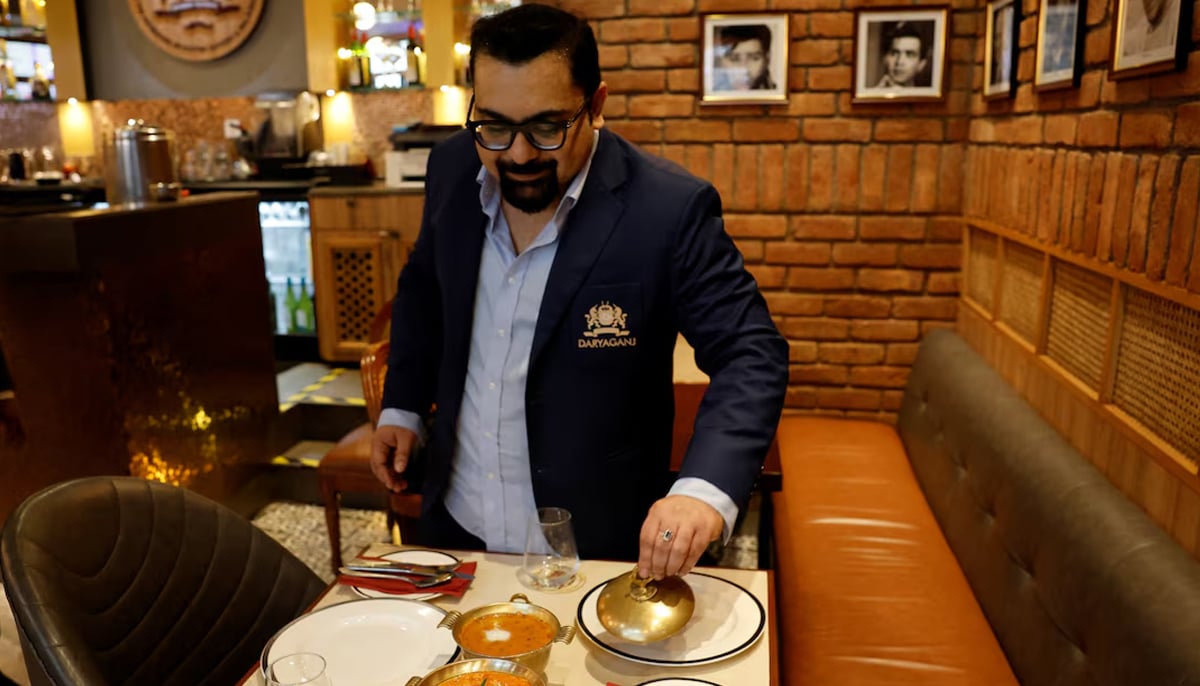
“Our menu stands as a living tribute to the seamless blend of tradition and innovation, ensuring that the timeless flavours of Peshawar and the enduring spirit of post-partition India continue to captivate and delight,” said the restaurateur.
For Daryaganj, butter chicken is not just a dish — it is a living testament to the business’s “enduring traditions and the essence of our culinary legacy”.
“The dish is the invention of Kundan Lal Jaggi, who created it out of necessity one night in 1947. With only a few portions of tandoori chicken left and a group of hungry guests at his restaurant, Jaggi improvised a gravy using tomatoes, fresh butter, and spices, adding the tandoori chicken to it,” claimed Bagga.
He further elaborated how the innovative creation became a testament to Kundan Lal Jaggi’s culinary genius and the resilience of Punjabi refugees who migrated to Delhi after the partition of India.
Both Rajinder and Bagga deny the butter chicken’s creation in Peshawar; however, it was tandoori chicken that they claim was invented in the KP city.
“No, it would not be correct to say that it’s totally a Peshawari dish, though it does have influence. This is because tandoori chicken, which is a key component in making butter chicken, was indeed invented in Peshawar,” according to the restaurateurs.
“The most compelling evidence of butter chicken’s unique origin is that it is not found on any menu in Peshawar today. Mr Kundan Lal Jaggi himself has affirmed this in his video, clarifying that butter chicken, as it is known, was never conceived in Peshawar. This fact underscores that the dish was a novel creation, born from the rich culinary traditions carried from Peshawar but innovatively developed in post-partition India,” they added.
“Even today, if you look at the cuisine of Pakistan, Peshawar, and that region, you’ll notice a slow transition in cooking styles as you move over the terrain. For instance, bread cooked in an oven, known as naan, can be found in Russian cooking as “non”, indicating a shared culinary heritage,” they said.
The two restaurateurs affirm that while butter chicken has its roots in the culinary traditions of Peshawar, it is very much a product of the transition and adaptation that occurred post-partition.
“My father’s experiences and skills, honed under the mentorship of Mokha Singh in Peshawar, undoubtedly influenced his cooking. However, the invention of butter chicken was a creative response to the new circumstances and resources he found in India. It’s a blend of his past and his innovative spirit in a new environment,” said Rajinder.
About expanding Daryaganj to Pakistan, Bagga said: “Absolutely! If the ties between India and Pakistan were to normalise, we would be thrilled to open a restaurant there. We receive numerous messages from Pakistanis urging us to open a branch there. Our social media platforms are filled with such requests.”
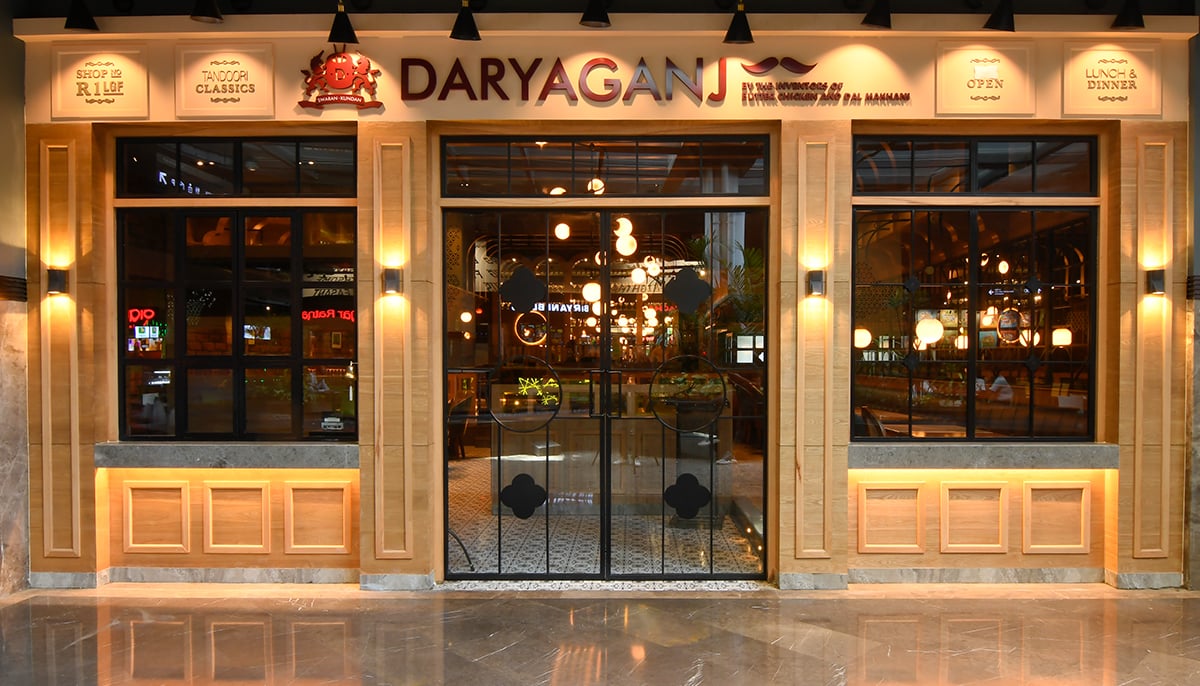
The co-founder added that their restaurant’s connection to Peshawar was deeply personal and historical. “Opening a restaurant in Peshawar would be like bringing these beloved recipes back to their roots, creating a full-circle moment for us.”
Extending their hope in the Indian judiciary, they said, “Daryaganj is confident and optimistic, as the DHC examines the matter.”
“While we refrain from commenting extensively on it, we trust the judiciary to deliver a fair verdict. Our faith in the Indian judiciary and its systems is unwavering,” Daryaganj management stated in response to Geo.tv’s query.
Bagga said that the business possesses a partnership deed that clearly delineates the founders of the restaurant. “It’s not just a legal document but a testament to our legacy.”
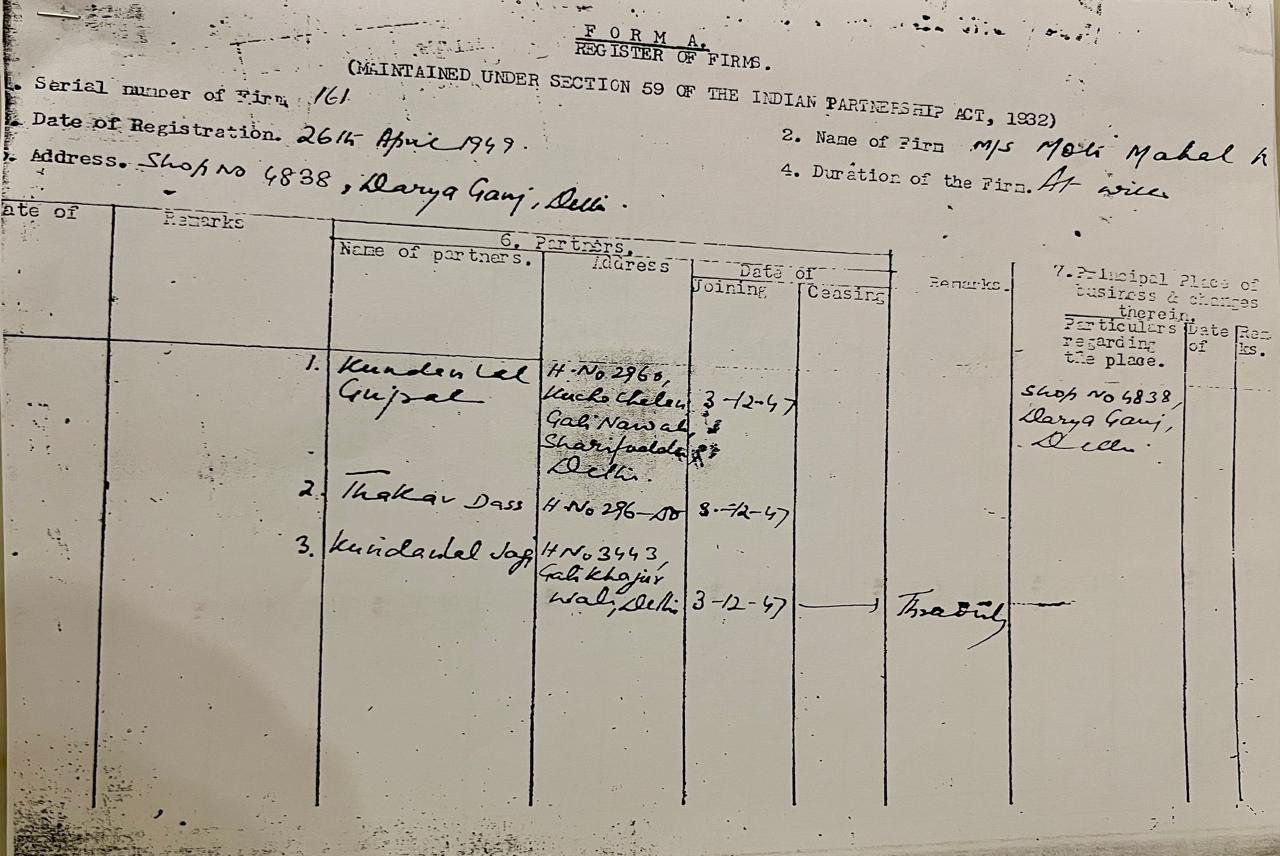
Additionally, the co-founder added, that the restaurant holds a registered trademark for these creations, which has remained uncontested.
“These two critical facts – our partnership deed and our registered trademark – form the bedrock of our case. They highlight our rightful claims. Ultimately, we trust the court to weigh these truths and deliver a verdict that honours the legacy and contributions of all involved,” said Bagga.
‘Mr Gujral’s narrative is flawed’
Dismissing the narrative of the Gujral family, owners of the Moti Mahal chain of restaurants, Indian food critic and historian Pushpesh Pant agrees with the version of the Jaggi inheritor, who claims the exclusive invention of butter chicken, stating that it was jointly created by three partners who had to cope with the problem of unsold tandoori chicken.
“I think Mr Gujral’s narrative is flawed. He is, to my mind, trying to create a backstory that gentrifies his ancestry,” he asserts, highlighting that similar problems were faced by almost all dhabas in post-partition India.
What made Moti Mahal special in India, however, was its location in Daryaganj, according to Pant. “Muslim eateries next door near the Jama Masjid were not favoured by Hindu refugees arriving from Pakistan and their owners who had stayed back were traumatised and subdued,” said the veteran historian.
It was the word of mouth, Pant told Geo.tv, that built their reputation.
“I don’t think that one can give credence to anecdotes like Maulana Azad — a gourmet connoisseur recommending this roadside eatery to the Shah of Iran during his state visit!” he said, highlighting the anecdotal history about the restaurants.
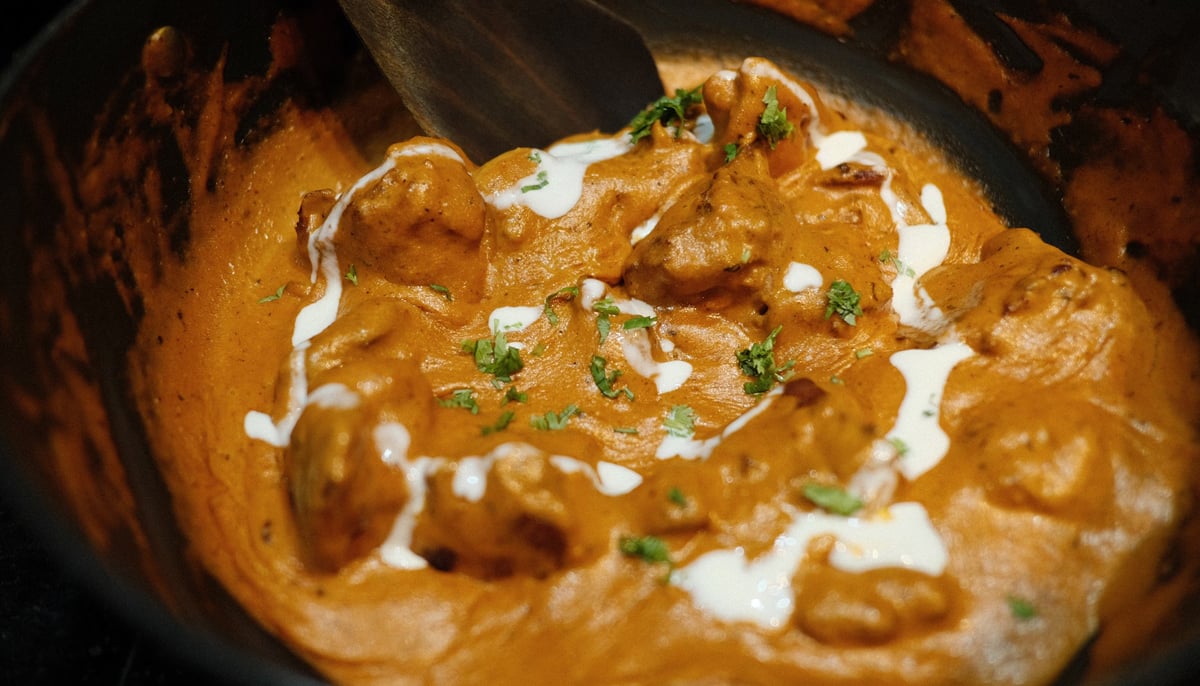
However, the critic acknowledged that tandoori chicken was once ordered for an Indian prime minister’s grandchildren when they came home on vacations from boarding school. “Not butter chicken that is touted now as a signature dish.”
Peshawar cuisine, Pant emphasised, is renowned for its roasted, grilled robust fare, not the “pretentious makhani gravy”.
Countless dhabas in India cook butter chicken following their own improvised recipes, he said, revealing that tomatoes and butter are the constants in the recipe.
“What puts me off from Moti Mahal’s ex-owners’ claims is that in the same breath, the granddad is also credited with creating/inventing dal makhani and makhani paneer,” said the food critic.
Recalling his days as a student in 1965, Pant described Moti Mahal as an eatery known more for the “atmosphere, qawwali, and tandoori chicken”.
“I repeat it was not the gold standard for anything other than tandoori chicken. Karim, New Jawahar, and others had legendary reputations for their gravies, nihari, stew, quorma, aloo gosht, pasandey, as well as barra,” said the food historian.
No one missed or ordered the arriviste butter chicken, he added. “What had a loyal following was roast/fried chicken — crisp and spicy.”
To sum up, as the Delhi High Court resumes the hearing of the case, the debate spotlights the enduring legacies of these restaurateurs, who left their lasting signatures on global cuisine.
No matter the fate of the case, butter chicken will always symbolise the shared cultural heritage between India and Pakistan — uniting the culinary histories of both sides through the universal language of food.
However, regardless of how fiercely the legally embattled eateries — Moti Mahal and Daryaganj — lay claim to the globally relished dish, the recipe’s origins undeniably trace back to Peshawar, Pakistan, where Kundan Lal Gujral and Kundan Lal Jaggi embarked on their legendary gastronomic odyssey.
Rabia Mushtaq is a staffer at Geo.tv. She post on X @rabiamush
Maria Irshad is a reporter at Geo News, Peshawar.
Rasool Dawar is a reporter at Geo News, Peshawar. He posts on X @RasoolDawar
Raheel Amer is a staffer at Geo.tv. He posts on X @RaheelAmer
Header and thumbnail image by Geo.tv