

Last Updated:
Losar, the Tibetan New Year, marks the start of a new lunar cycle and in 2026 falls on 18 February, welcoming the Year of the Fire Horse




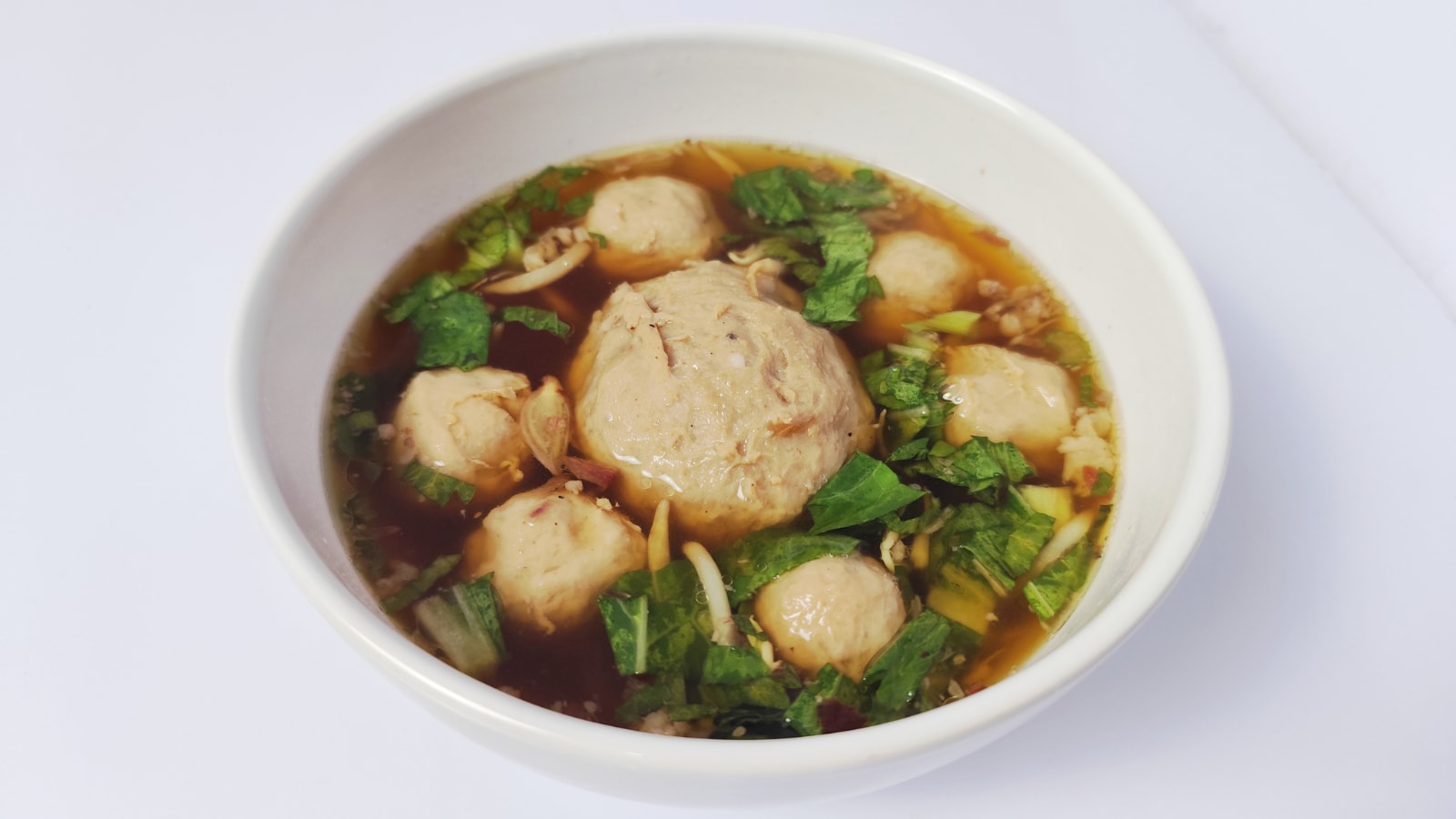
Guthuk, a noodle soup whose name derives from “gu” (nine) and “thuk” (soup) (Image: YoWangdu)
As winter tightens its grip across the Himalayan plateau, kitchens in Kathmandu and high-altitude homes across Ladakh begin to stir with a familiar ritual. Markets grow busier, prayer flags are replaced, and the scent of spices and simmering pot of Guthuk believed to pull the previous year’s misfortunes out of the body and into the night. The arrival of Losar Festival is not announced by fireworks or countdown clocks, but by preparation deliberate, slow and deeply symbolic.
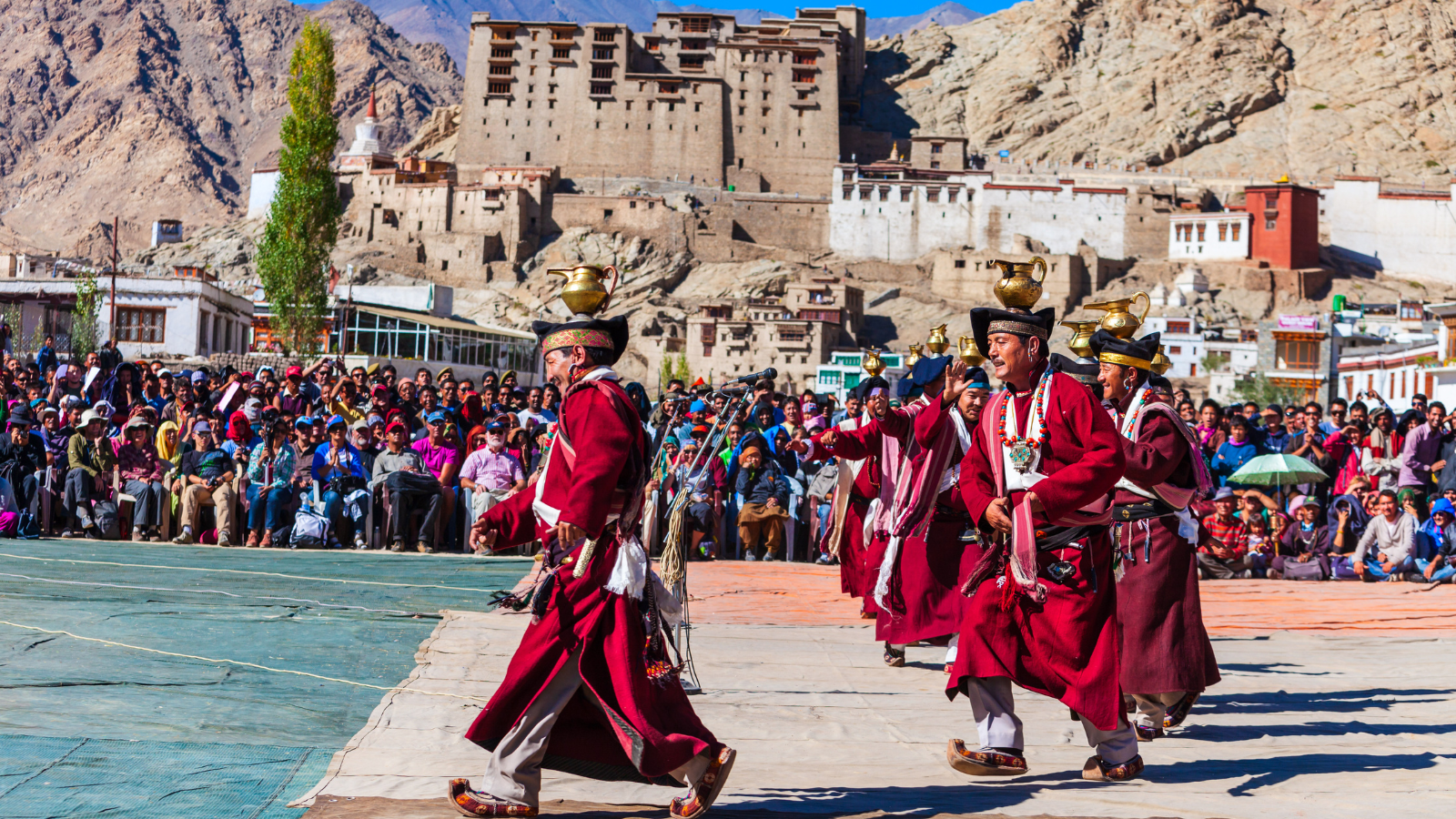
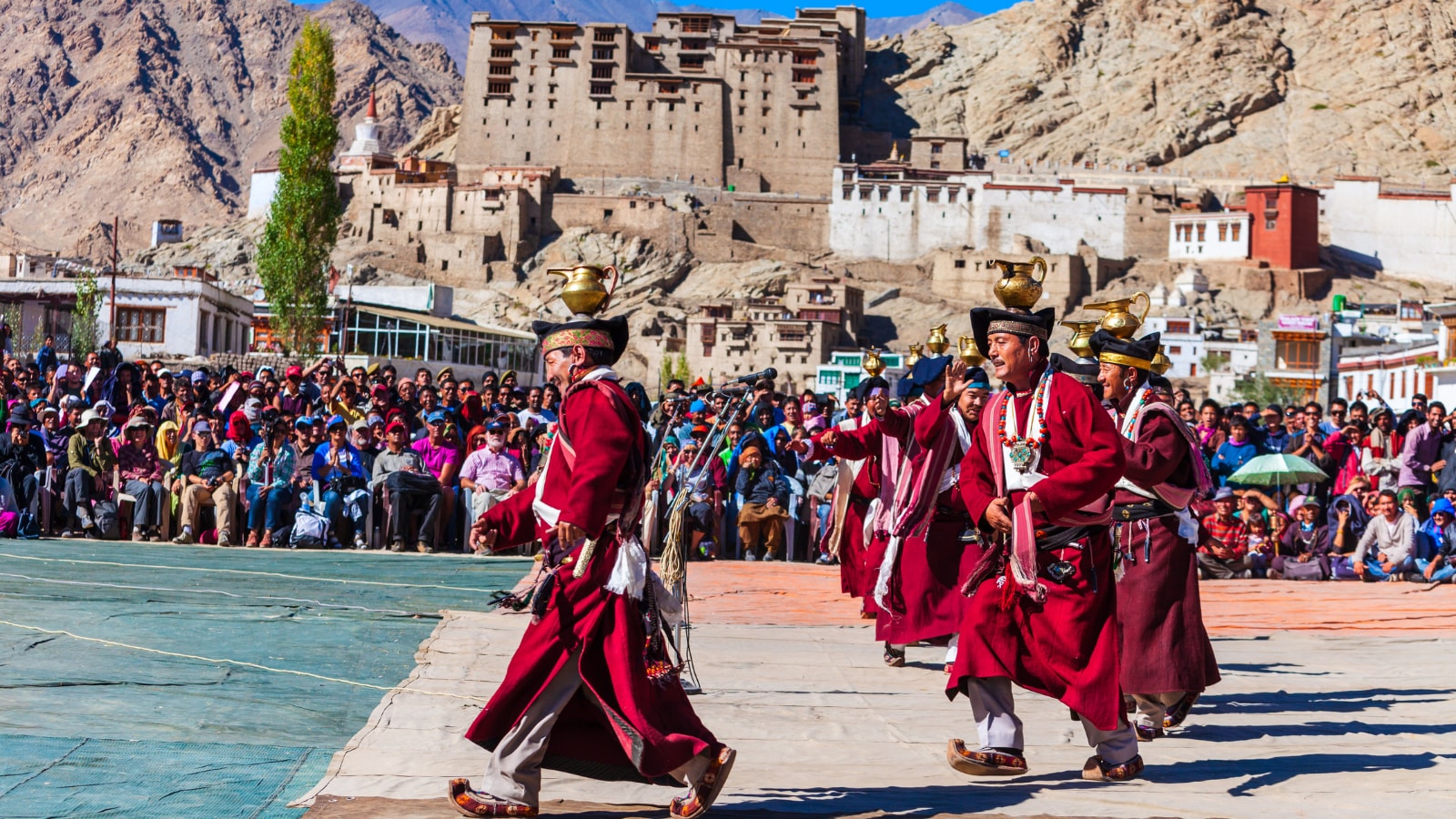
Losar, the Tibetan New Year, marks the start of a new lunar cycle and in 2026 falls on 18 February, welcoming the Year of the Fire Horse. The festival blends older Bon traditions with Tibetan Buddhist practices and continues for around 15 days, though the most important ceremonies happen during the first three. It is celebrated across the Himalayan belt, including Tibet, Bhutan, Nepal and Indian Himalayan regions, but in Ladakh it remains deeply tied to monastery rituals and community life.
The purification begins on the eve, known as Nyi-shu-gu, the 29th day of the 12th Tibetan month with Guthuk.
What Makes Guthuk A Centuries-Old Cleansing Secret?
The purification ritual begins on Nyi-shu-gu, the 29th day of the last Tibetan month, when Guthuk is prepared. Guthuk, a noodle soup whose name derives from “gu” (nine) and “thuk” (soup). The number nine carries auspicious power in this tradition; odd numbers expel negativity, and the soup must include at least nine ingredients to fulfill its ritual purpose.
Preparation begins with a strong broth made by simmering beef bones with onion, ginger and Sichuan pepper. Some families also add celery or leek. In vegetarian adaptations common in modern Ladakhi households, dried shiitake mushrooms soaked overnight provide rich umami depth, their earthy notes mingling with the spices.
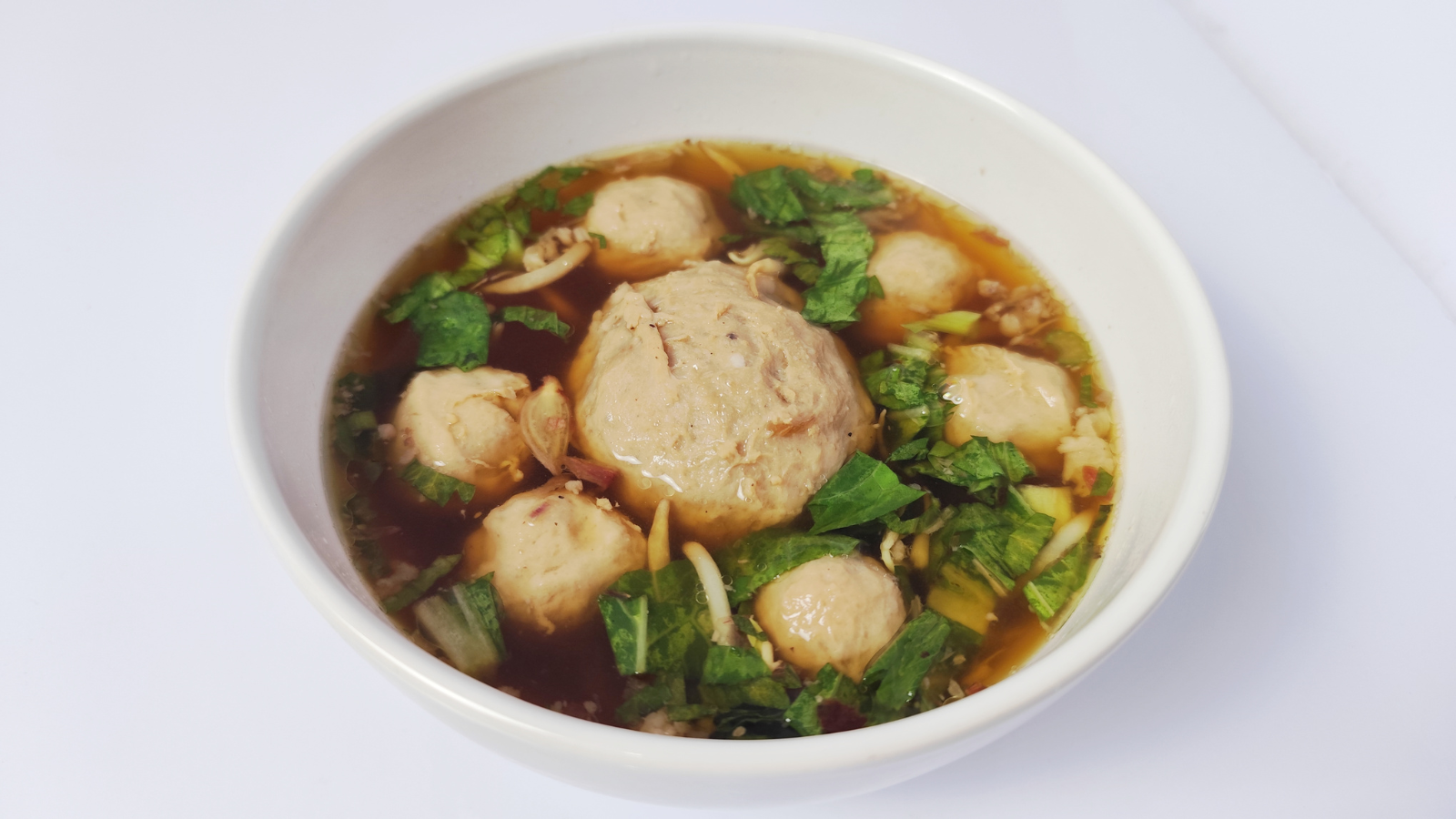
The ingredients added to the broth are carefully chosen. Meat or mushrooms add richness. Daikon radish represents cleansing. Spinach symbolises the return of life after winter. Garlic and ginger are believed to provide warmth and protection. Tibetan cheese, dried peas or fenugreek leaves are included for flavour and cultural symbolism. Salt, pepper and Sichuan pepper complete the seasoning.
Symbolic Meaning of the Nine Ingredients
Into this base go the core elements, at least nine for auspiciousness:
- Chunks of beef (or shiitake mushrooms), browned for depth
- Julienne daikon radish, crisp and cleansing
- Chopped spinach, bringing green life
- Diced onion, minced garlic, and ginger for aromatic foundation
- Tibetan cheese flakes or dried peas
- Fenugreek leaves (shopsi)
- Seasonings: salt, pepper, and emma
Additional variations may include crushed barley, tomato, celery, or carrots, each adding texture and symbolic renewal.
How Dough Balls Inside the Soup Predict Your Personality?
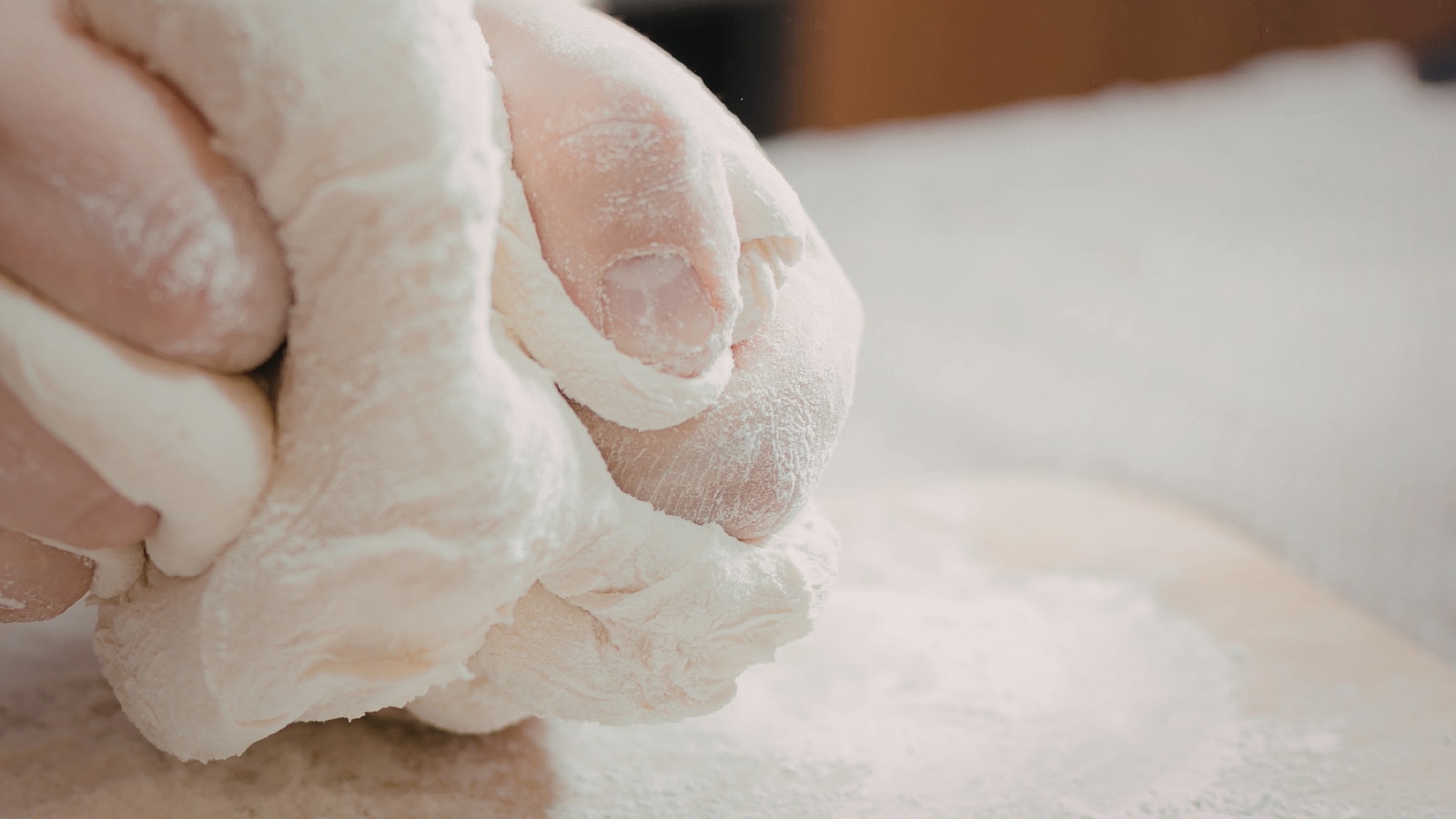
The noodles and dough balls make Guthuk distinct. A mix of whole-wheat and white flour is shaped into small noodle pieces and added to the boiling soup.A firm dough is made from a mix of whole-wheat and white flour (often 2 cups whole-wheat to 3 cups white for balance), kneaded with water until strong and elastic. It rests briefly while the stock simmers.
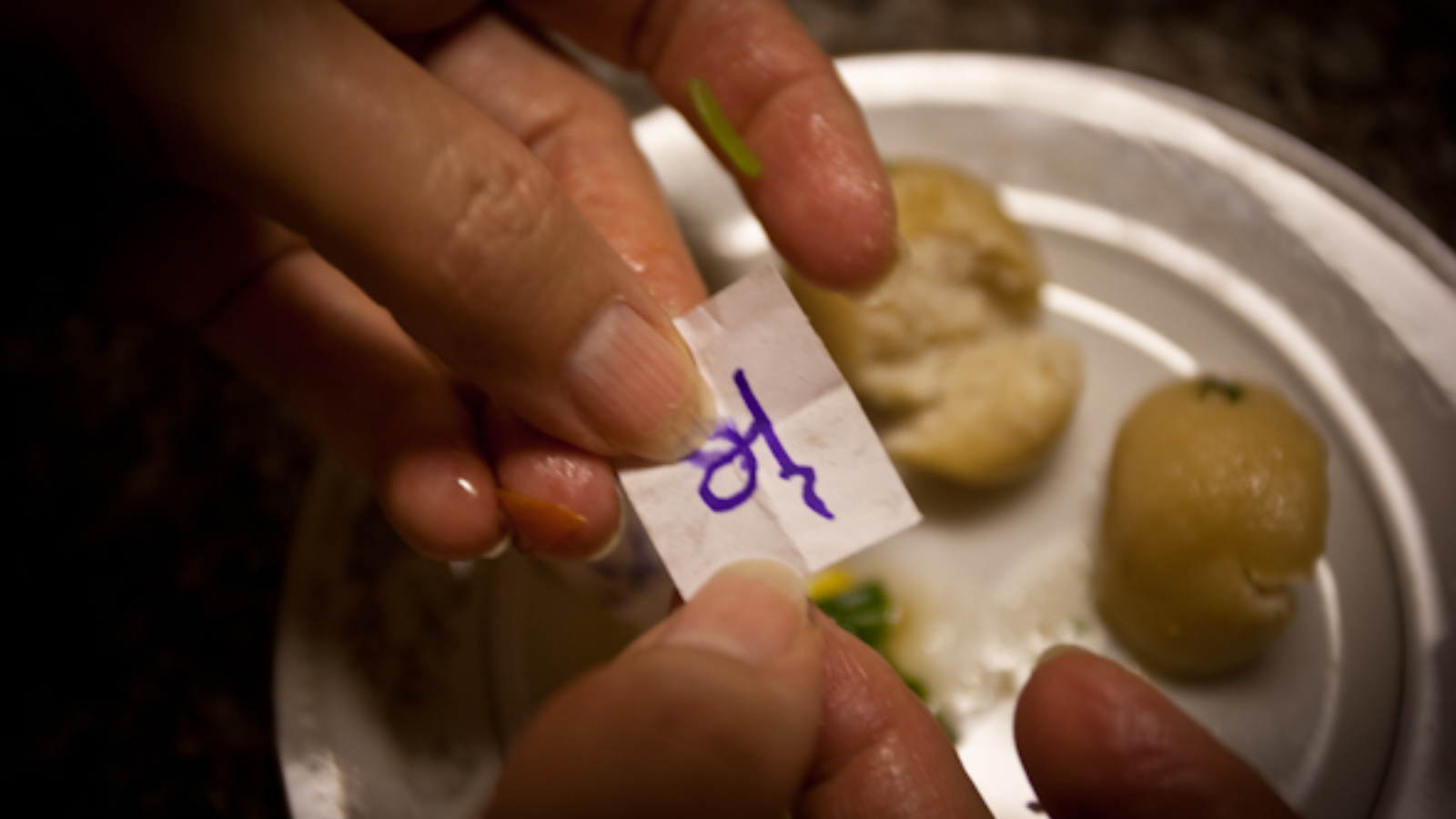
Portions are rolled into long ropes and pinched into small, marble-sized bhak-thuk pieces or shell-shaped gutse-rithuk noodles hand-formed with a curling press of thumb against palm. These drop into the boiling broth near the end, softening into tender, comforting strands.
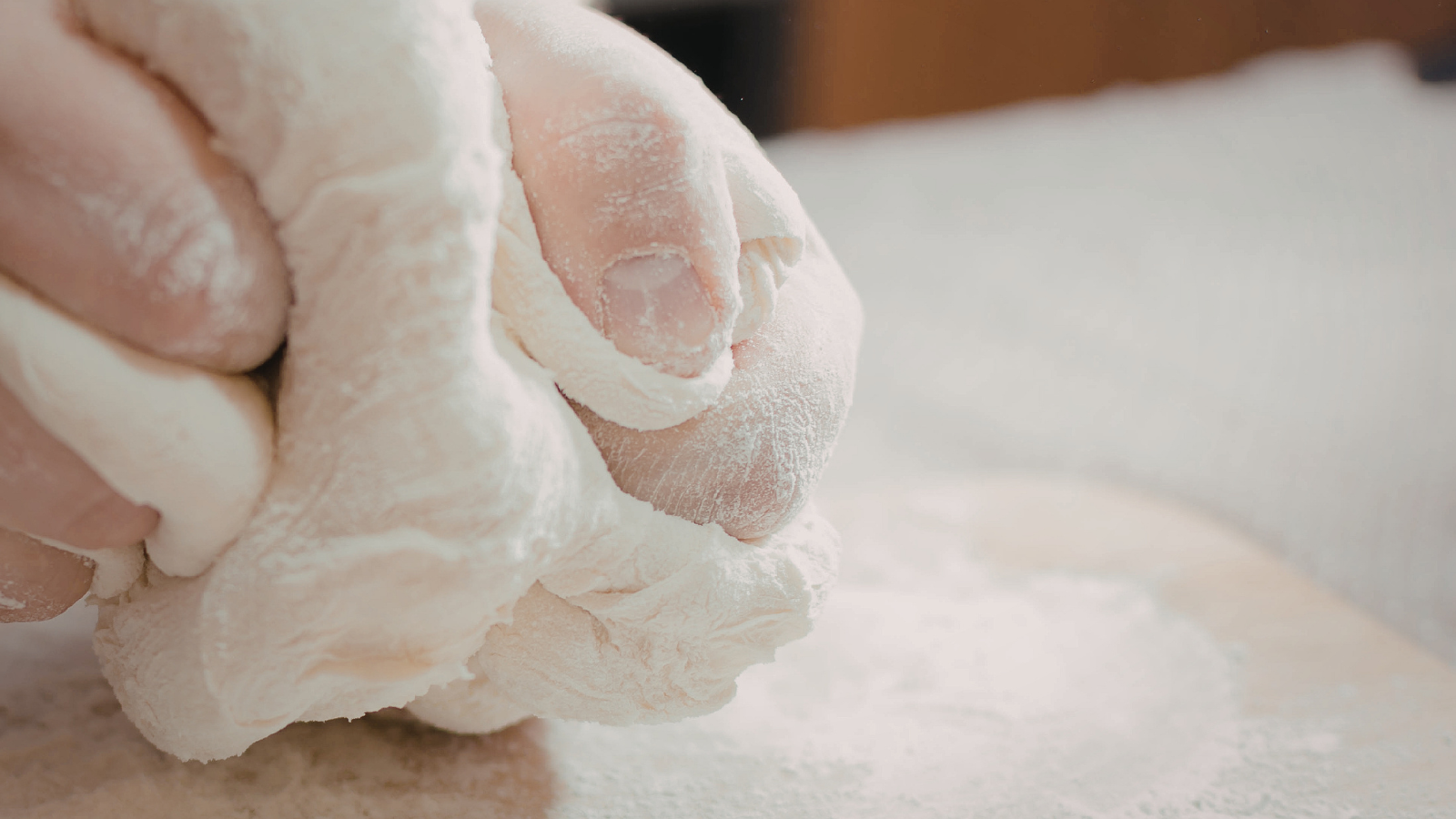
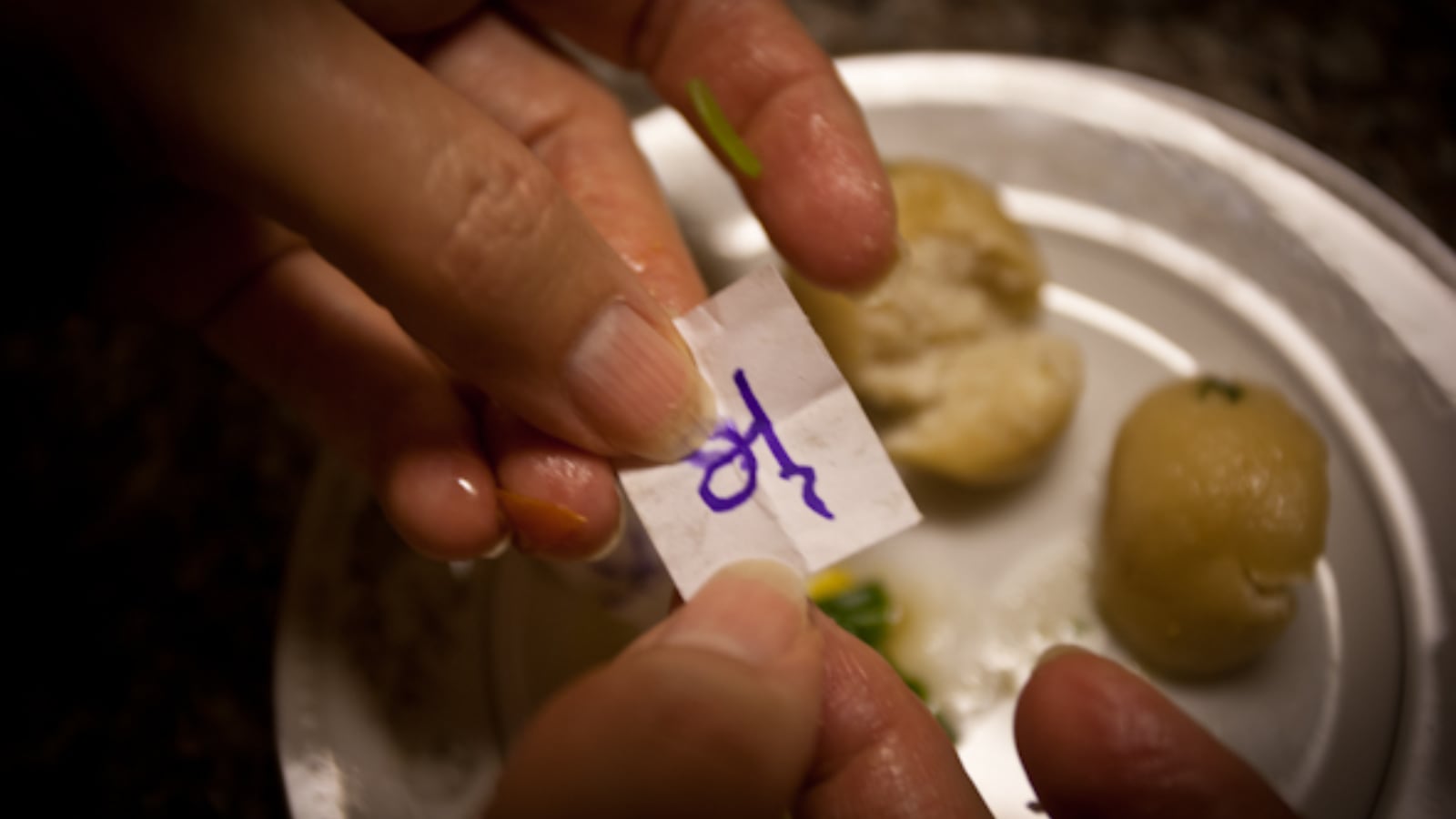
Families gather around the meal and wait to discover what their dough ball reveals. Wool represents kindness. Charcoal symbolises a cold temperament. Chilli suggests a sharp tongue. Salt may indicate laziness or generosity depending on local belief. Stones hint at stinginess while thread rolled inward symbolises good fortune staying within the family.
The ritual is light-hearted but symbolic. Each person eats nine spoonfuls before cutting open their dough ball. The results often lead to laughter and conversation, reinforcing family bonds.
The ritual’s heart lies in extra-large dough balls: each contains a hidden object or paper slip denoting a trait or fortune. These larger pieces cook longer and are distinguishable in the pot. Common symbols include:
- Wool: gentle-hearted
- Charcoal: cold or black-hearted mood
- Chili: sharp tongue
- Salt: lazy (or kind, in some tellings)
- Glass: fragile or absent when duty calls
- Pea: untrustworthy
- Thorn: quarrelsome
- Thread rolled inward: draws luck to the family
- Thread rolled outward: dissipates fortune
- Stone: stingy
- Sun and moon: glory
The soup simmers until the noodles soften and the fortune balls are done. It rests covered for a few minutes, then is served steaming in bowls. Each person consumes nine spoonfuls, leaving a small amount in the final bowl to complete the cleansing count.
How Does the Losar Ritual Remove Bad Luck From the Home?
The cleansing ritual continues after the meal after the meal comes the exorcism. Leftover soup, dough scraps, hair or nail clippings, and small dough pieces called pagchi pressed over sore limbs, foreheads, or hearts to absorb physical and spiritual pain are gathered into a cracked clay pot. Atop sits the lue, a small dough effigy embodying the year’s evils and negativities.
A dough effigy called lue, representing accumulated misfortune, is placed on top of the pot. A candle is lit inside and one family member carries it through the house while another sweeps floors and recites chants. The act symbolises pushing out lingering negativity.
The pot is taken to a three-road crossroads, sometimes accompanied by firecrackers to confuse the attached misfortunes. The carrier never looks back; the spirits must lose their way home and not return.
The morning after the ritual marks the official start of Losar. Families raise new prayer flags and prepare festive foods such as khapse, deep-fried pastries served during celebrations. Roasted barley flour called chemar is displayed in ceremonial bowls as an offering for prosperity.
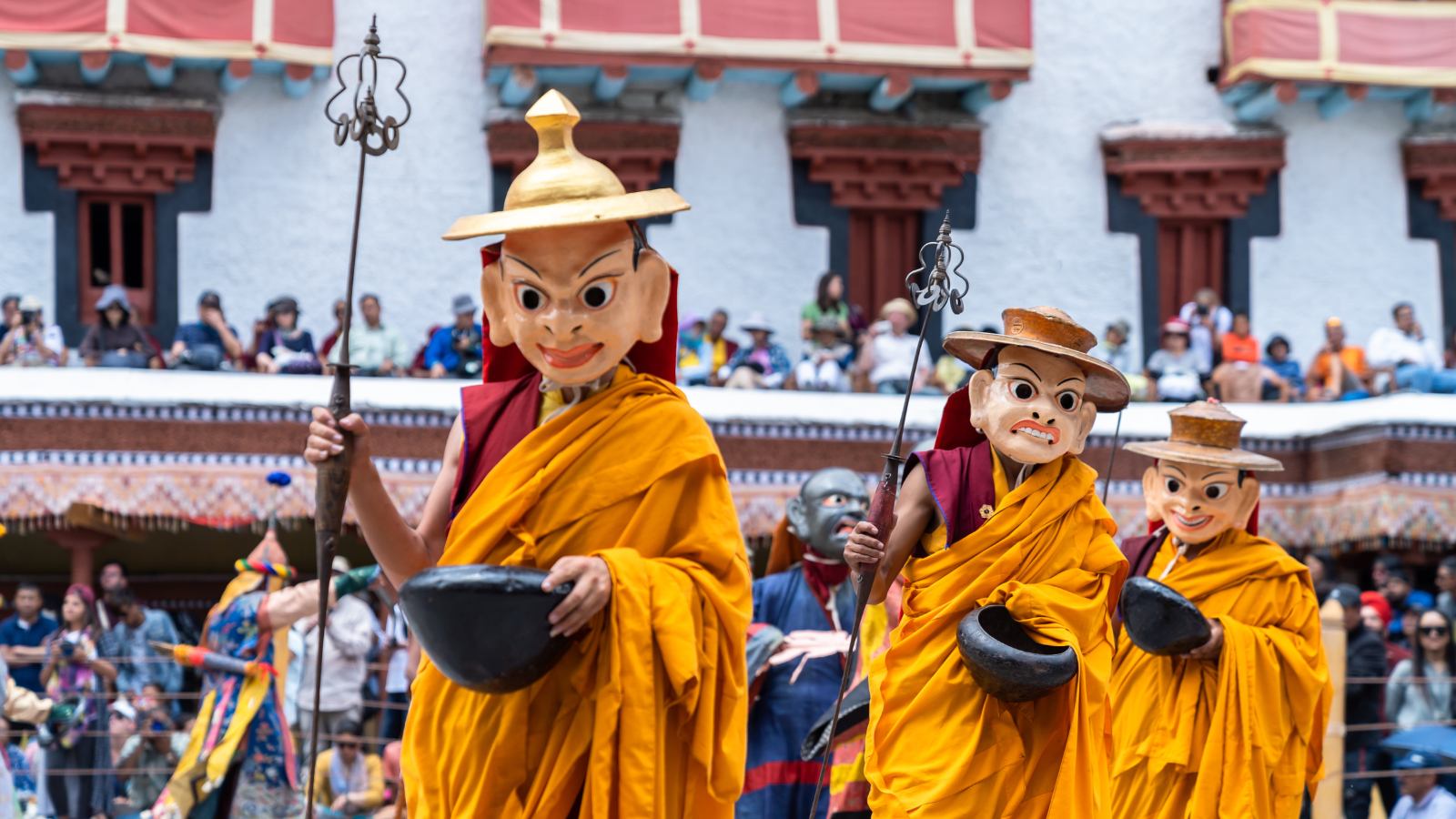
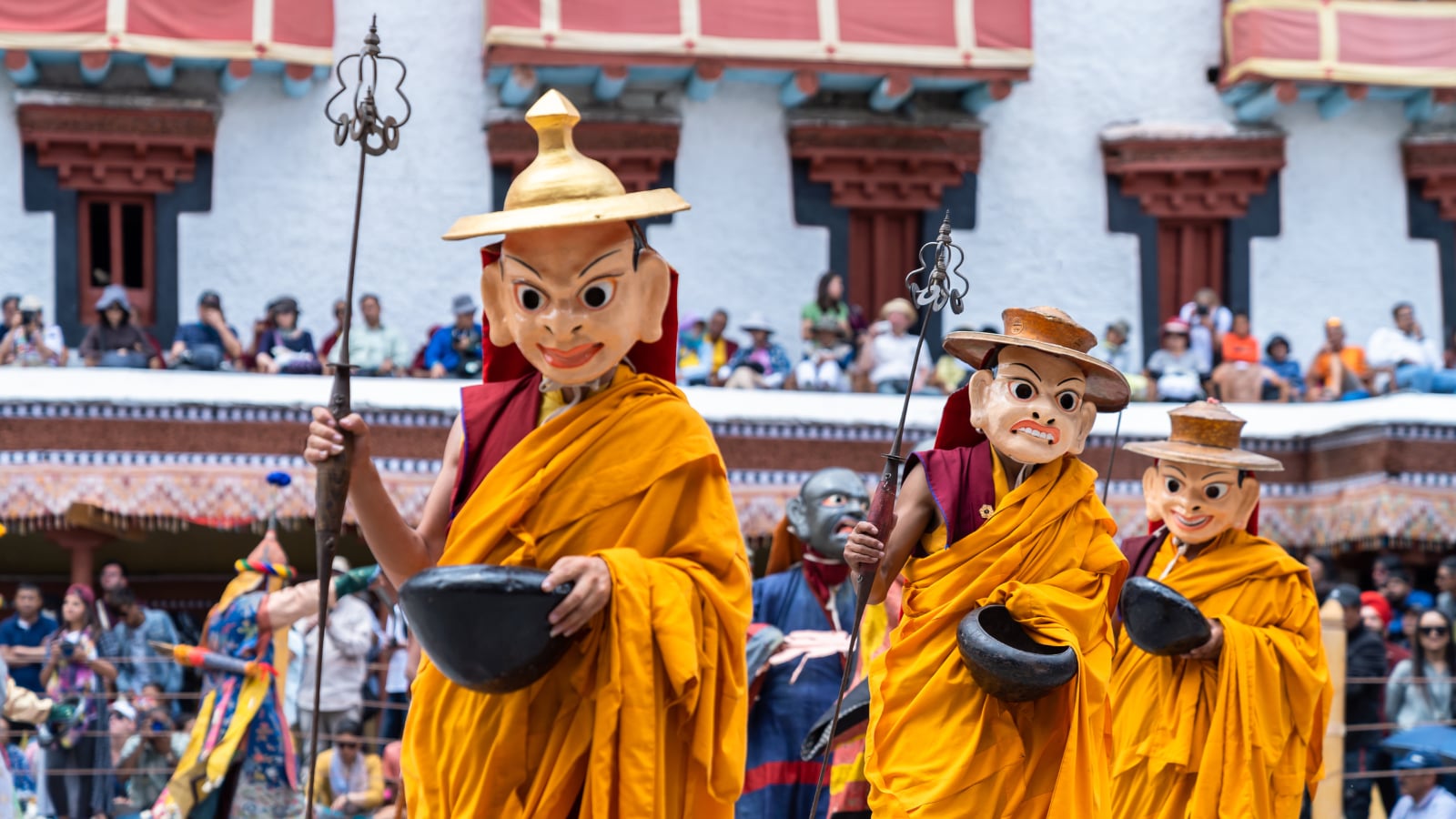
Monasteries host cham dances that depict spiritual victory over evil forces. These performances attract visitors and locals alike, blending faith with storytelling and community participation.
February 18, 2026, 15:29 IST

Stay Ahead, Read Faster
Scan the QR code to download the News18 app and enjoy a seamless news experience anytime, anywhere.