

A friend of mine doesn’t like Claudia Winkleman. Hates her, in fact. (She’s too “knowingly quirky”, apparently.) It is such a rogue opinion that I never seem to be able to retain the information in my brain. Every time her name crops up – and it does more than you’d think, what with the presenter’s prime gigs co-hosting the BBC’s Strictly Come Dancing and latterly as the face of the phenomenally popular strategy gameshow The Traitors – he professes his disdain once more and I gape at him afresh as if it’s my first time hearing it.
“But how can you not like Claudia Winkleman?” I always ask, aghast. “She’s practically a national treasure!”
Winkleman has, in fact, not quite ascended to this hallowed status just yet, joining an elite list that includes the likes of David Attenborough, Judi Dench and Olivia Colman. But she’s well on her way.
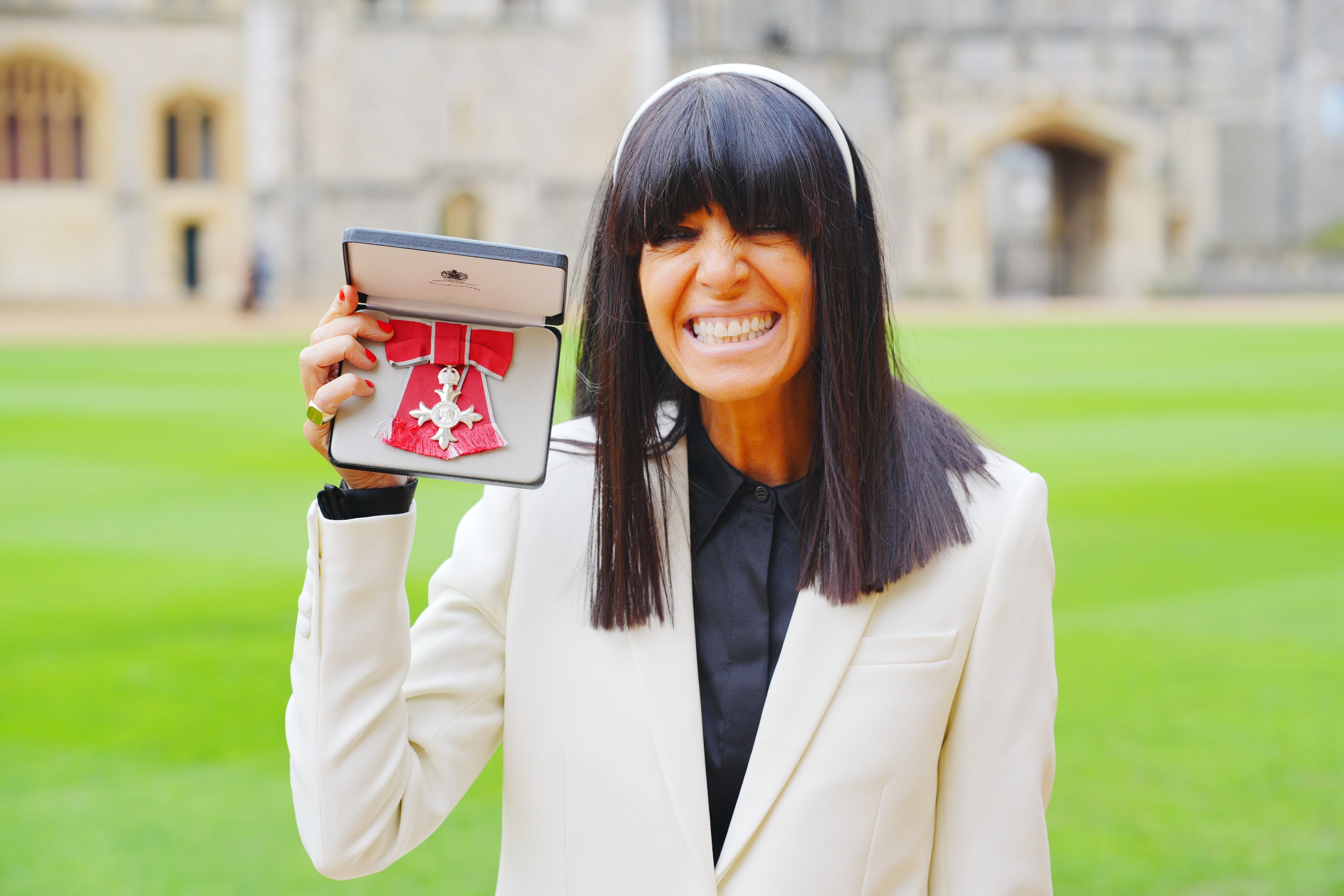
Barring my contrarian outlier of a friend, it very much feels as if Winkleman has become universally adored by UK audiences, as evidenced by her growing presence as an on-screen staple. Aside from her current position as reigning queen of the country’s most successful bit of reality telly – including the excellent inaugural celebrity version this autumn, in which a hysterical Alan Carr emerged victorious – Winkleman was awarded an MBE in 2025 for services to broadcasting. Now, following the shock news that she and Tess Daly are to step down from Strictly, Winkleman is poised to take on another role that will thrust her even further into the spotlight.
It was recently announced that she’ll host her own chat show in the BBC’s Friday night slot when The Graham Norton Show is off air. Broadcast in the spring, The Claudia Winkleman Show will see Winkleman welcome “the biggest names from the worlds of film, television, music and beyond to her sofa for lively conversation with the help of a studio audience”. The original commission is for a seven-episode run, but the Beeb has every expectation that the series will be a renew-worthy smash hit.
In her signature offbeat, self-deprecating style, the presenter stated of the news: “I’m obviously going to be awful, that goes without saying, but I’m over the moon they’re letting me try.”
It feels like the final piece of the puzzle, cementing her as one of the UK’s most bankable front women – and certainly one of the highest earning. Winkleman reportedly made a cool £1m last year from combined TV appearances alongside various lucrative brand deals.
Standing on the precipice of further stardom, how exactly did Winkleman go from writing a weekly column for this very publication back in the Noughties to becoming a beloved British icon?
Perhaps part of the secret to her success lies in just how long she had to wait to “get her flowers”, as they say. Now 53, Winkleman started her career as a travel writer, before transitioning to tackle broader subjects around work, sex and relationships. She first made the leap from print to screen back in the Nineties and spent the next two decades grafting, taking on a broad selection of weird and wonderful presenting jobs: under-the-radar reality shows, or the supplementary programmes to bigger formats such as Strictly’s kid sibling It Takes Two.
Winkleman became an increasingly familiar face – but she was always the proverbial bridesmaid, never the bride. It wasn’t until Bruce Forsyth retired in 2014 that she got the co-presenting gig on Strictly opposite stalwart Tess Daly, before waiting another eight years to nab the biggest break of all: hosting The Traitors. This was swiftly followed by a stint fronting Channel 4’s amateur pianist competition, The Piano.
But just as they say there are no small parts, only small actors, no presenting job ever felt too beneath her for Winkleman to shine. “She’s always been actually funny – that’s why people love her,” as one TV insider put it. That deadpan, razor-sharp wit, authentic warmth and effortless, off-the-cuff charisma has been in Winkleman’s arsenal right from the off, elevating everything from The House of Tiny Tearaways to Comic Relief Does Fame Academy.
Winkleman managed to engineer one of the strongest personal brands in media long before personal brands were even a concept
Then there’s The Look; Winkleman managed to engineer one of the strongest “personal brands” in media long before “personal brands” were even a concept. That shining, mirror-like helmet of black hair with the long, blunt fringe is iconic enough to have snared Winkleman a major advertising deal with Head & Shoulders (and have spawned enough speculation that “is Claudia Winkleman’s hair a wig?” remains a popular search term on Google).
When combined with her signature Tango tan, pale lipstick and eyes rimmed with enough kohl to make a goth do a double-take, Winkleman has achieved that rarest of things: a genuinely distinctive style.
“You may loathe my fringe, but, and I’m being perfectly serious here, it’s given me a career,” she wrote in her 2020 memoir, Quite. “I’m sure I got work because of all those times producers were in a room ruminating on the next TV show, handing round digestives and when they couldn’t remember names, they said, ‘We could always get the orange one with the fringe.’”
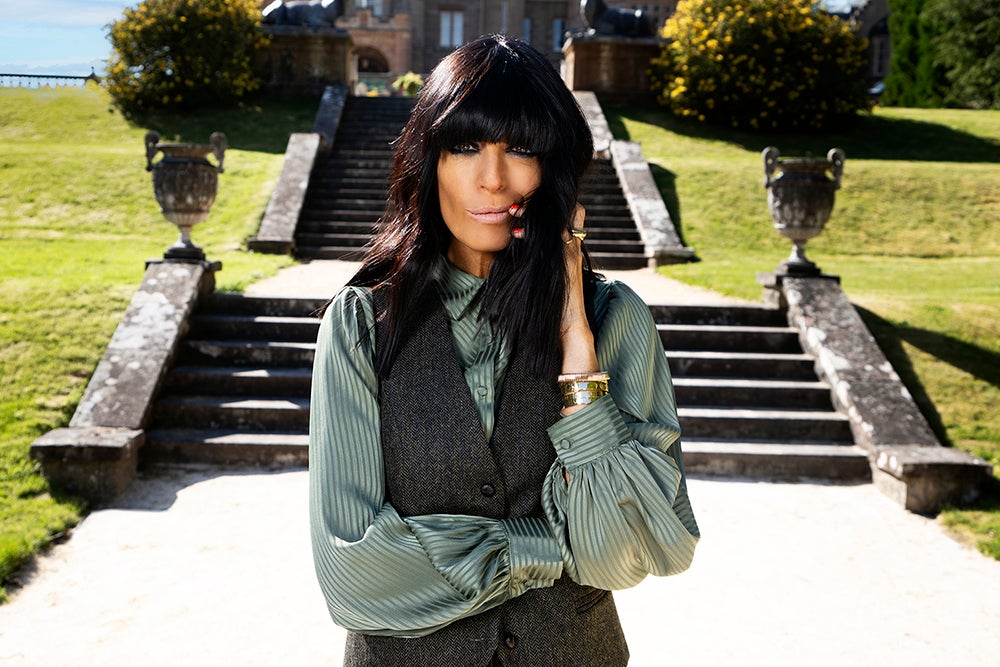
Her now legendary ensembles in The Traitors have only added to the image. A wardrobe of leather leggings, tartan accents, chunky knits, Victoriana skirts and camp goth funereal gear has spawned hundreds of “Claudia’s best outfits” round-ups as fans strive to emulate her luxe, autumnal fashion choices.
But tipped for superstardom, Winkleman is now potentially at the riskiest point in her career. Plenty before her have played a blinder before falling foul of the mob at the final hurdle. Just look at James Corden – off the back of Gavin and Stacey and a Tony-winning performance in One Man, Two Guvnors, the actor and comedian was all but guaranteed a permanent place in the pantheon of much-loved British performers. And yet, almost overnight, he seemed to plummet from National Treasure-in-waiting to Most Hated in the Nation. His fall from grace came after he took up a high-profile gig as a late-night American talk show host, highlighting a major potential tripwire for Winkleman: overexposure.
It’s a delicate balancing act, becoming a National Treasure. Call it the Goldilocks conundrum, if you will: too much screentime and success is just as detrimental as not enough. It’s got to be just right. By the time Corden had added cameos in everything from the dire 2019 film of Cats to voicing animated characters in The Emoji Movie and Peter Rabbit to his supercharged career, British audiences were pretty much sick of the sight – and sound – of him.
Tipped for superstardom, Winkleman is now potentially at the riskiest point in her career
Avoiding scandal, too, is paramount if Winkleman wants to rub shoulders with the likes of Clare Balding and Stephen Fry. A multitude of names – admittedly, usually men’s – spring to mind when pondering celebrities who have been felled by their own misdeeds. Accusations against former favourites Gregg Wallace and John Torode have seen the pair axed from the MasterChef team, while David Walliams’ reputation has been tarnished by recent allegations of inappropriate behaviour towards young women, although he denies the accusations and is now consulting his lawyer. On the most serious end of the spectrum, Huw Edwards went from Britain’s most trusted newsreader to persona non grata after pleading guilty to possessing indecent images of children in 2024.
Winkleman would also do well to swerve contentious subjects and stay out of politics as much as possible, though it can occasionally be tackled with grace. Hugh Bonneville’s comments on Gaza at the Downton Abbey: The Grand Finale premiere last year, for example, served to enhance rather than damage his reputation on the world stage – but it’s a tricky line to walk.
Other pitfalls include the resurfacing of ill-judged social media posts from years gone by, or viral clips of previous controversies. Luckily, Winkleman’s infamous 2003 interview with S Club 7, in which their PR stormed in after she quizzed the band about their allegedly poor pay, presents her in a positive light. The band’s minders come across as the real villains of the piece.
The next steps will be key for Winkleman; having the right people around to keep her grounded and on track is crucial. Fortunately, she has a seemingly ultra-stable and incredibly loyal network of nearest and dearest, from her husband of 25 years, film producer Kris Thykier, to long-term friends like work-wife Tess Daly and half-sister Sophie Winkleman, who played Big Suze in Peep Show and became a minor royal by marrying Lord Frederick Windsor, the son of Prince Michael of Kent.
Victoria Coren Mitchell is also in the inner circle, once calling Winkleman “the most totally loveable person in the world”. She praised Winkleman’s combination of smarts, humour and kindness, but best summed up the presenter’s appeal thus: “She wears her fame very lightly because she doesn’t take it seriously; she works hard but she’s committed to a set of priorities that puts family and friendship first.”
One thing’s for sure: if she manages to deftly sidestep the obstacles ahead as elegantly as she’s navigated her career to date – and never bows to the pressure to trim her fringe – Winkleman is all set to take up the mantle of cultural icon.