

Last Updated:
A 2025 study projects that over one in 20 women worldwide will be diagnosed with breast cancer in her lifetime, and by 2050 there could be as many as 3.2 million new cases




Breast reconstruction is a surgical procedure carried out after a mastectomy to recreate the shape and appearance of a breast. (Image: Getty)
For many women, surviving breast cancer is only part of the story. What follows treatment is an equally important, often under-discussed phase rebuilding confidence, restoring a sense of normalcy, and learning to feel comfortable in one’s body again. As breast cancer survival improves in India, conversations are gradually shifting from cure alone to how women live after cancer.
In India, the numbers reflect a growing and unevenly distributed burden. A meta-analysis published in Cancer Epidemiology in February 2026 estimates that breast cancer incidence in India is rising by roughly 5.6% each year, translating into an expected 2,32,832 cases in 2025 alone. Within this context, risk factors tied to reproductive timing, hormonal exposure, obesity and family history play a significant role in shaping disease patterns unique to Indian women. The same study observes that survival rates differ dramatically by stage at diagnosis, women with localized disease may see 5-year survival as high as 81%, but that figure drops precipitously when cancers are detected later.
A 2025 research study projects that if current patterns persist, one in 20 women worldwide will be diagnosed with breast cancer in her lifetime, and by 2050 there could be as many as 3.2 million new cases and 1.1 million breast cancer-related deaths annually.
According to the World Health Organization, breast cancer was the most commonly diagnosed cancer in women across 157 of 185 countries as of 2022, with an estimated 2.3 million new diagnoses and 670 000 deaths globally that year alone. While incidence has risen with improvements in detection and diagnosis, survival has improved in many high-income regions, highlighting stark disparities in outcomes between wealthier and lower-resource settings.
These figures are more than abstract epidemiological markers. They represent daily realities for women navigating fear, uncertainty, treatment and, for many, the equally demanding work of rebuilding confidence and a sense of self after cancer. And for one such woman who not only survived but also made sure the diagnosis does not take away her identity.
For Seema Nair, a 48-year-old marketing professional and mother of two from Kochi, that work began the afternoon she felt a lump while taking a quiet moment in her bathroom. What followed was not just medical interventions, but a journey through physical transformation and emotional recalibration, the sometimes unspoken area of life after breast cancer.
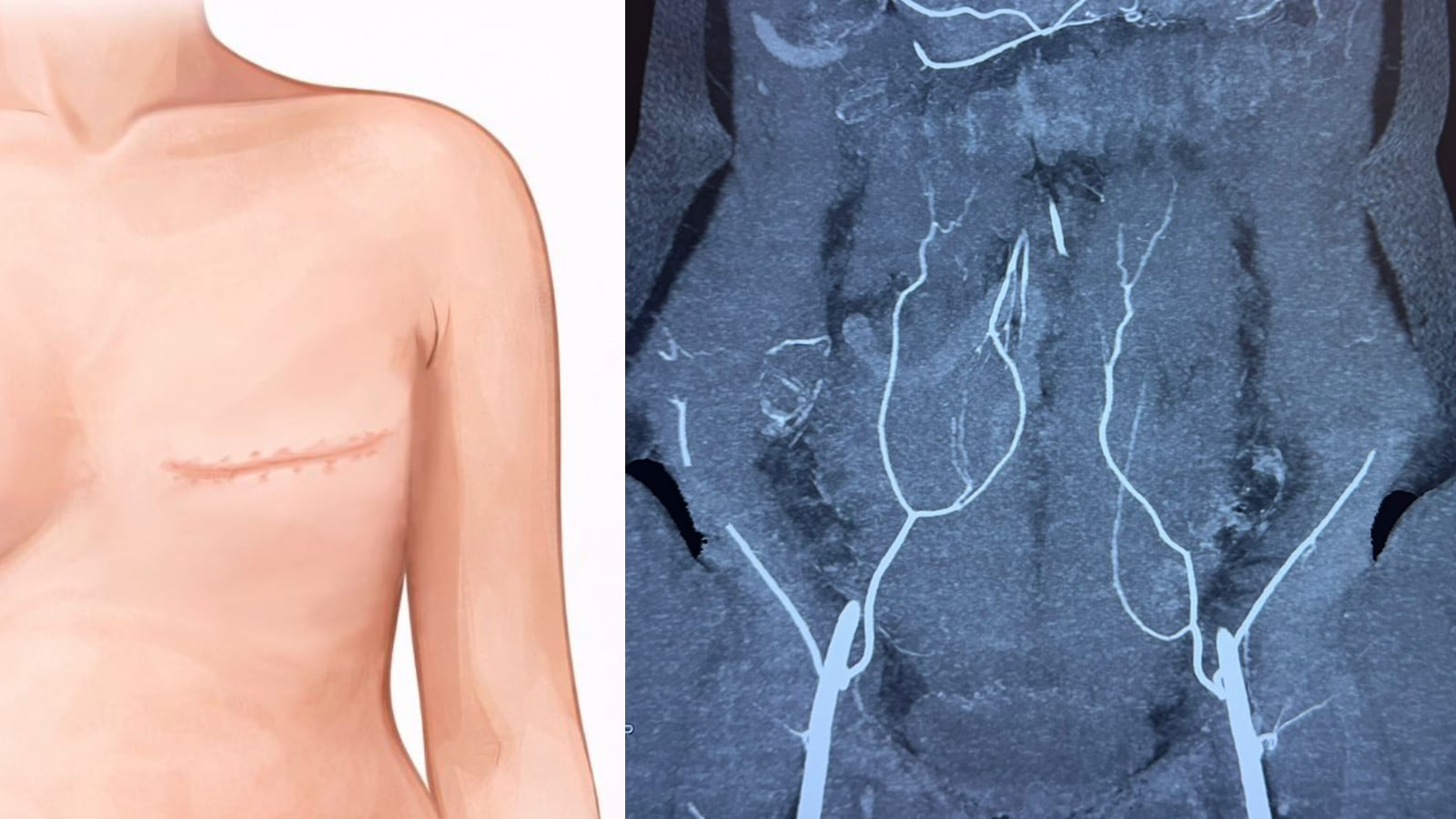
The diagnosis shifted her world from familiar routines to hospital corridors, medical consultations, and a rapidly unfolding treatment plan. Yet, for Seema, the real battle would not end with removing the disease. It would unfold in the months and years that followed, when survival slowly gave way to the more complex process of learning how to feel like herself again.
“I didn’t just want to survive cancer,” she says, her voice steady with the clarity that comes after years of reflection. “I wanted to feel like myself again as a woman, a mother, and a professional.”
The First Phase: Survival Comes First
For many women diagnosed with breast cancer, the early stages of treatment are driven by urgency. The focus narrows to eliminating the cancer, often leaving little room to process emotional or physical changes that may follow.
Like countless patients, Seema underwent a mastectomy as part of her treatment. Reconstruction, at that point, felt secondary. “You are so focused on getting rid of the cancer that everything else takes a back seat,” she says.
What Is Breast Reconstruction?
Breast reconstruction is a surgical procedure carried out after a mastectomy to recreate the shape and appearance of a breast. The aim is to restore body balance and help individuals feel more comfortable with their physical appearance following breast removal. The reconstructed breast can be created either with a medical implant or by using tissue taken from another area of the body such as the abdomen, back or thighs.
The procedure may be performed at the same time as the mastectomy, known as immediate reconstruction, or months or even years later, known as delayed reconstruction. The timing usually depends on the overall cancer treatment plan, including whether chemotherapy or radiation therapy is required, as well as the patient’s medical condition and personal preference. There are two primary approaches to breast reconstruction:
Implant-Based Reconstruction
This method involves placing a silicone or saline implant to recreate the breast shape. In some cases, a temporary tissue expander is first inserted to gradually stretch the skin before the final implant is placed. Implant reconstruction generally involves a shorter surgical procedure and recovery time, though implants may require replacement or revision surgery in the future.
Autologous (Flap) Reconstruction
This technique uses the patient’s own tissue, which may include skin, fat and sometimes muscle, taken from another part of the body. Common donor sites include the abdomen, back or thighs. Flap reconstruction typically creates a breast that looks and feels more natural and adjusts with body changes over time. However, it is usually a longer and more complex surgery with a slightly extended recovery period.
Seema chose expander implant-based breast reconstruction, believing it would offer a faster route to normalcy. But the recovery unfolded differently from what she had expected. Persistent discomfort, physical unease, and a growing emotional disconnect from her body began to surface.
“Physically, it didn’t feel right. Emotionally, I struggled to accept the outcome,” she recalls. “I realised that although the cancer was gone, I hadn’t really moved on.”
Over time, complications led to the implant being removed. Specialists stress that such outcomes, while distressing, are medically recognised and do not reflect any failure on the patient’s part.
Dr Samarth Gupta, Consultant Plastic and Breast Reconstructive Surgery at Apollo Athenaa Women’s Cancer Centre, notes that survival is often only the first chapter in a longer recovery journey. “For many women, surviving breast cancer is only part of the story,” he explains. “What follows treatment is rebuilding confidence, restoring a sense of normalcy, and learning to feel comfortable in one’s body again.”
Relearning Comfort Inside One’s Own Body
In India, nearly 57% of breast cancer cases are diagnosed at an advanced stage, which significantly affects outcomes and brings the five-year survival rate down to around 52%. However, as early detection improves and oncology care continues to advance, survival rates across the country are gradually rising. What this really means is that the conversation is no longer limited to treatment alone. More survivors are now speaking about life after cancer, including concerns around quality of life, body image and emotional recovery.
For Seema, these questions became impossible to ignore. Months after her implant removal, she sought another consultation and learned about autologous breast reconstruction, a procedure that uses a patient’s own tissue, often from the abdomen, to recreate the breast.
The prospect initially felt overwhelming. “The surgery sounded long and complex, and I worried about the pain and recovery,” she says. Like many women, she also wondered whether undergoing another major procedure was necessary after cancer treatment.
What shifted her perspective was understanding the long-term implications. “I realised this wasn’t just about appearance,” she says. “It was about comfort, confidence, and not having to worry about future surgeries.”
A Recovery That Felt Different
Seema eventually underwent autologous reconstruction. Despite her fears, the recovery proved steadier than anticipated. She was admitted on the day of surgery, mobilised within days, and discharged without an extended hospital stay.
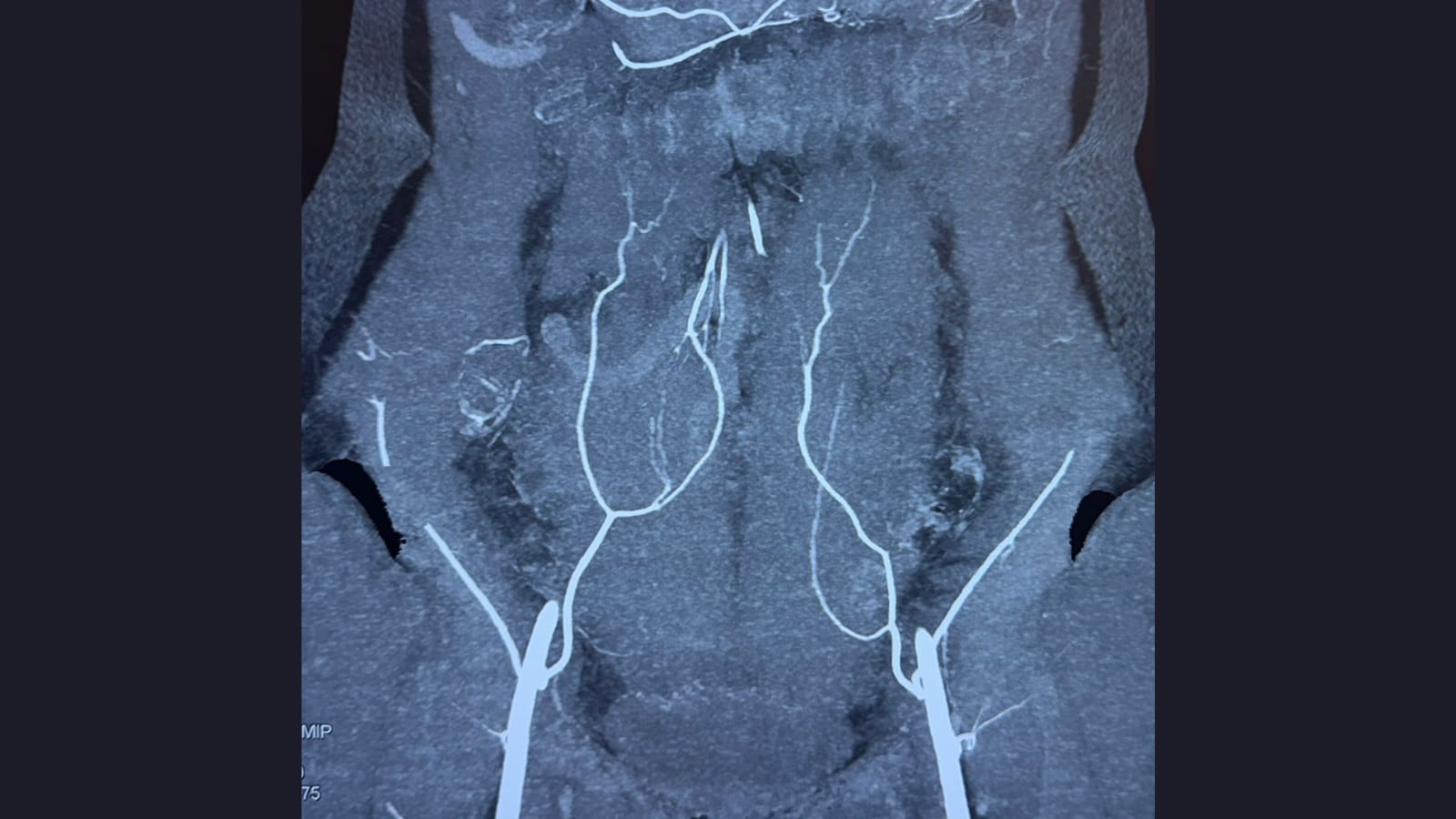
“I was surprised by how quickly I could move around,” she says. “The pain was manageable, and the recovery felt reassuring.”
As weeks passed, she noticed a gradual emotional shift. The reconstructed breast felt natural, integrated with her body rather than separate from it.
“It moves with my body,” she says. “Over time, I stopped thinking about it and that, for me, was the biggest relief.”
She also acknowledges an unexpected physical benefit.
“Using tummy tissue gave me what people jokingly call a tummy tuck, but more importantly, it gave me peace of mind,” she says.
Why Reconstruction Choices Matter
Medical research increasingly supports the psychological and emotional benefits of breast reconstruction following mastectomy. Studies have linked reconstruction to improved body image, lower levels of anxiety and depression, and higher overall quality-of-life scores.
According to Dr Gupta, there has been a noticeable rise in Indian women exploring autologous reconstruction, particularly those prioritising long-term comfort and natural results.
“For many Indian women, using the body’s own fat and tissue is the best form of breast reconstruction,” he explains. “Unlike implants, which may require maintenance surgeries, replacements, or even removal over time, autologous reconstruction offers a lifelong solution with minimal need for further procedures.”
He adds that one of the most significant advantages lies in how the reconstructed breast adapts over time.
“A breast reconstructed with the patient’s own tissue looks, feels, and ages like a normal breast. It changes with weight, time, and the body, something implants cannot replicate,” he says.
What is The Science Behind Breast Reconstruction?
Among advanced techniques, the DIEP (Deep Inferior Epigastric Perforator) flap has gained increasing attention. The procedure uses skin and fat from the lower abdomen while preserving abdominal muscles, helping maintain core strength and reducing the risk of long-term weakness.
“Because the tissue is living and well vascularised, the reconstructed breast integrates naturally with the body and settles over time,” Dr Gupta explains. “For most patients, it becomes a one-time, definitive reconstruction.”
However, he emphasises that implant-based reconstruction still remains relevant in selected cases. “It can be a suitable option for younger women with minimal fatty tissue, certain medical considerations, or patients who prefer shorter initial surgeries,” he says. “The key is individualised counselling. Patients must understand not just the immediate outcome but the long-term journey.”
Redefining Normalcy After Cancer
For Seema, the physical reconstruction marked a deeper emotional turning point. Slowly, daily routines regained their familiarity. Work meetings replaced medical consultations. Family dinners no longer revolved around medication schedules. Social interactions returned without self-consciousness about her appearance.
“I don’t think about my surgery every day anymore,” she says. “I just live my life.”
She credits coordinated medical care and transparent communication for helping her regain control over her recovery. “None of this would have been possible without the support of my doctors,” she says. “They helped me understand my choices and supported me through every step.”
The Emotional Landscape of Breast Cancer Survivorship
Survivorship is increasingly recognised as a distinct phase of cancer care, one that extends beyond physical healing. Experts note that many women experience complex emotional responses, ranging from gratitude and relief to anxiety about recurrence and altered body identity.
For some, reconstruction becomes less about aesthetics and more about reclaiming agency. Dr Gupta stresses that reconstruction decisions must remain deeply personal.
“When women are given complete information and guided properly, they are empowered to choose what suits their body, lifestyle, and long-term expectations,” he says.
Seema now shares her experience with other women navigating breast cancer treatment, hoping to ease fears surrounding recovery and reconstruction.
“Don’t be afraid to ask questions or explore your options,” she says. “Recovery isn’t just about surviving. It is about living well again.”
As awareness expands and access to advanced reconstructive techniques improves, survivorship in India is slowly being redefined. Women are beginning to see recovery not as a return to their former selves, but as a journey toward rediscovering identity, confidence, and emotional stability.
For survivors like Seema, life after breast cancer is no longer framed by loss. It is shaped by adaptation, resilience, and the quiet rebuilding of selfhood. Normalcy, she believes, is not something that disappears after cancer. It simply finds its way back, piece by piece.
February 10, 2026, 15:03 IST

Stay Ahead, Read Faster
Scan the QR code to download the News18 app and enjoy a seamless news experience anytime, anywhere.