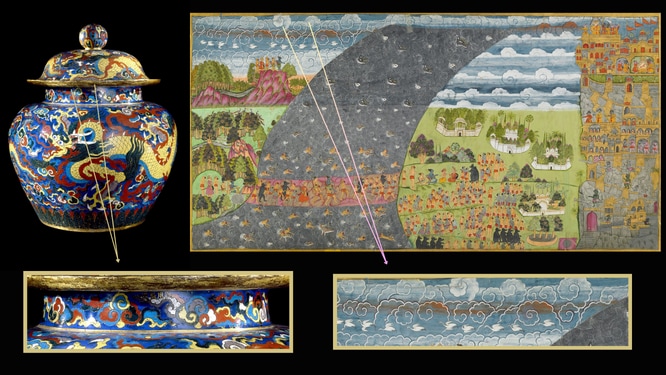
The swirling clouds in Jodhpur paintings echo multiple traditions: sweeping lines show Chinese influence via Central Asia, while vibrant colors reflect Persian aesthetics.
Though swirling clouds appear in earlier Chinese and Persian art, they likely reached Marwar via the Mughal court’s cultural and political ties. [Image credit: Mehrangarh Museum Trust (Jodhpur Painting) and The British Museum (Chinese art work)]
Are you familiar with Vincent van Gogh’s painting The Starry Night? If yes, chances are the first image that likely comes to your mind is its turbulent sky, swirling with winds or clouds.
But to witness dramatic swirling clouds, you don’t have to cross seven seas to New York’s Museum of Modern Art. You can find these animated swirling clouds in the paintings of Rajasthan’s Marwar School.
Why Focus On A Single Motif?
You might wonder: why focus on just one motif in Marwar paintings?
Art historian Dr Debra Diamond offers a compelling answer. “Swirling clouds are specifically Jodhpur (paintings), but we can trace them back to Persia and further to China. Those clouds carry those memories.”
On the sidelines of the Jaipur Literature Festival 2026 (held from January 15 to January 19), Dr Diamond spoke to CNN-News18 about the paintings of Rajasthan and the surprising journey of this motif.
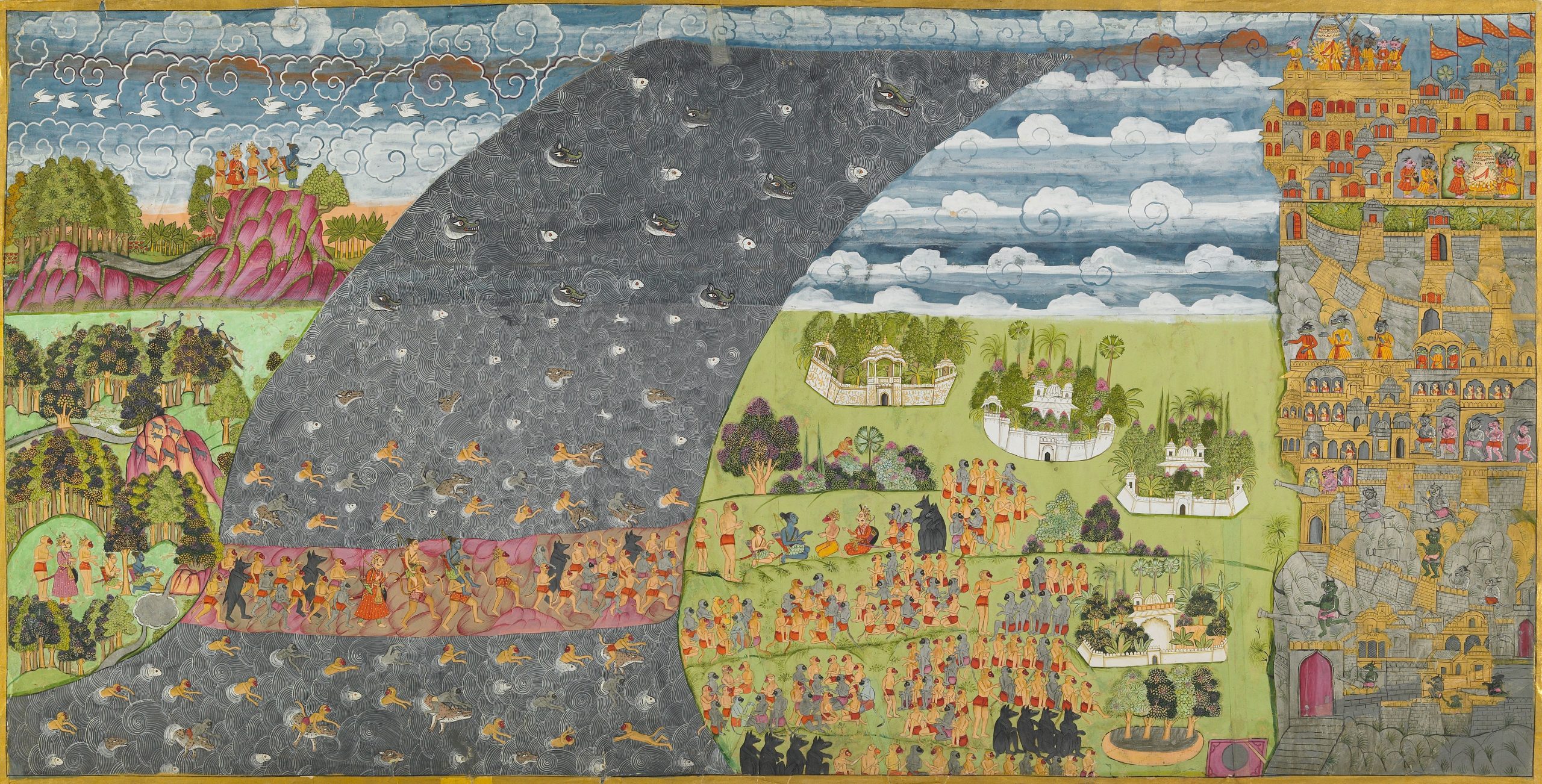
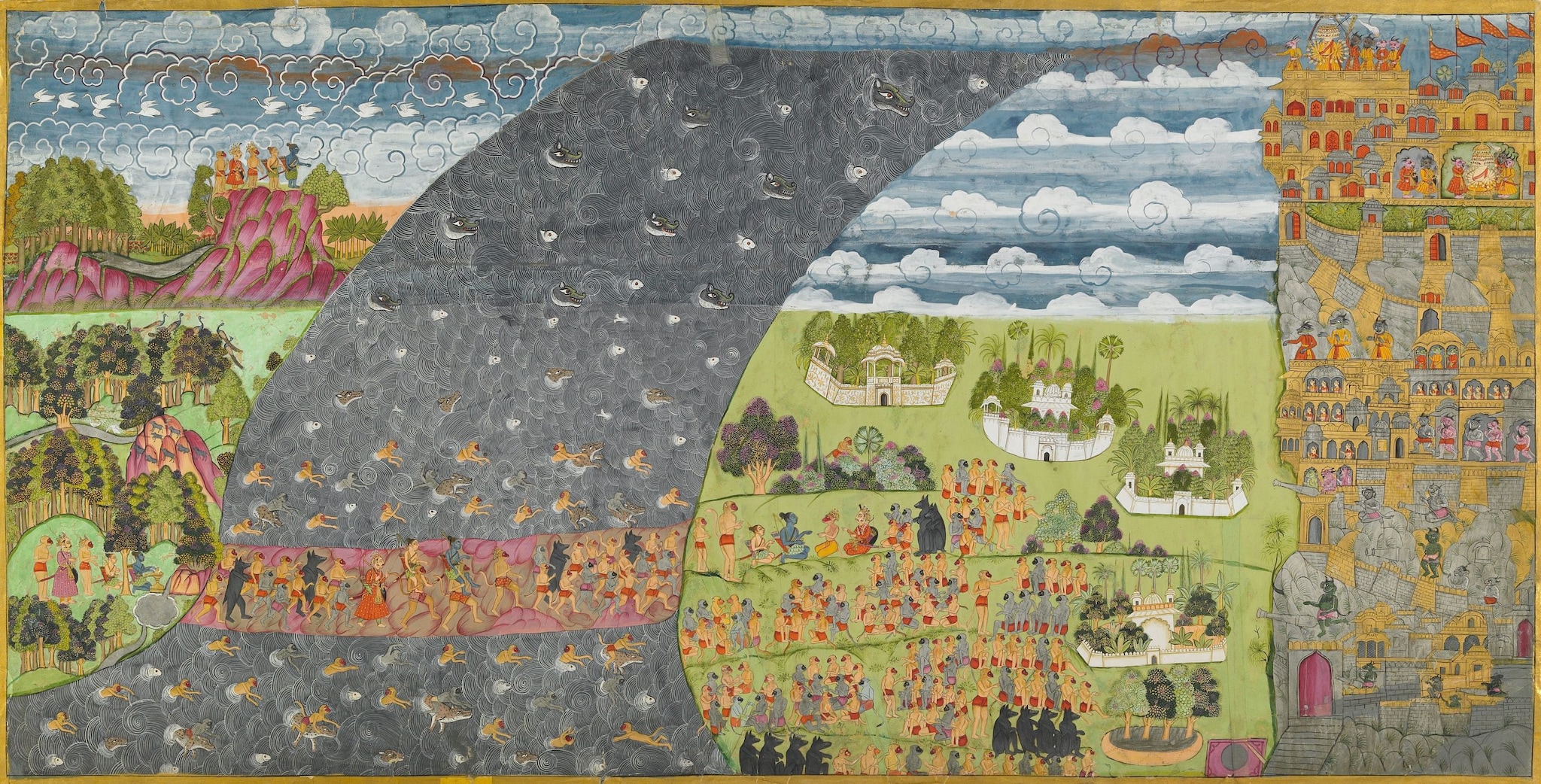
In 2008, she curated the internationally acclaimed exhibition Garden and Cosmos: The Royal Paintings of Jodhpur. One of the works in the exhibition — lent by Maharaja Gaj Singh II of Jodhpur — depicts Lord Rama crossing the ocean to rescue Goddess Sita from Ravana.
Rama’s Army Crosses the Ocean to Lanka from the Ramcharitmanas of Tulsidas (1532-1623) (Image: Mehrangarh Museum Trust/Smithsonian National Museum of Asian Art)
In the painting, you can see the sky (in the upper left corner) is filled with rolling, animated clouds — a hallmark of 18th-century Jodhpur Painting.
Yet, as Diamond points out, this motif did not originate in Rajasthan. It travelled from China to Persia, and eventually to Jodhpur, where it was transformed into a defining feature of the Marwar School paintings.
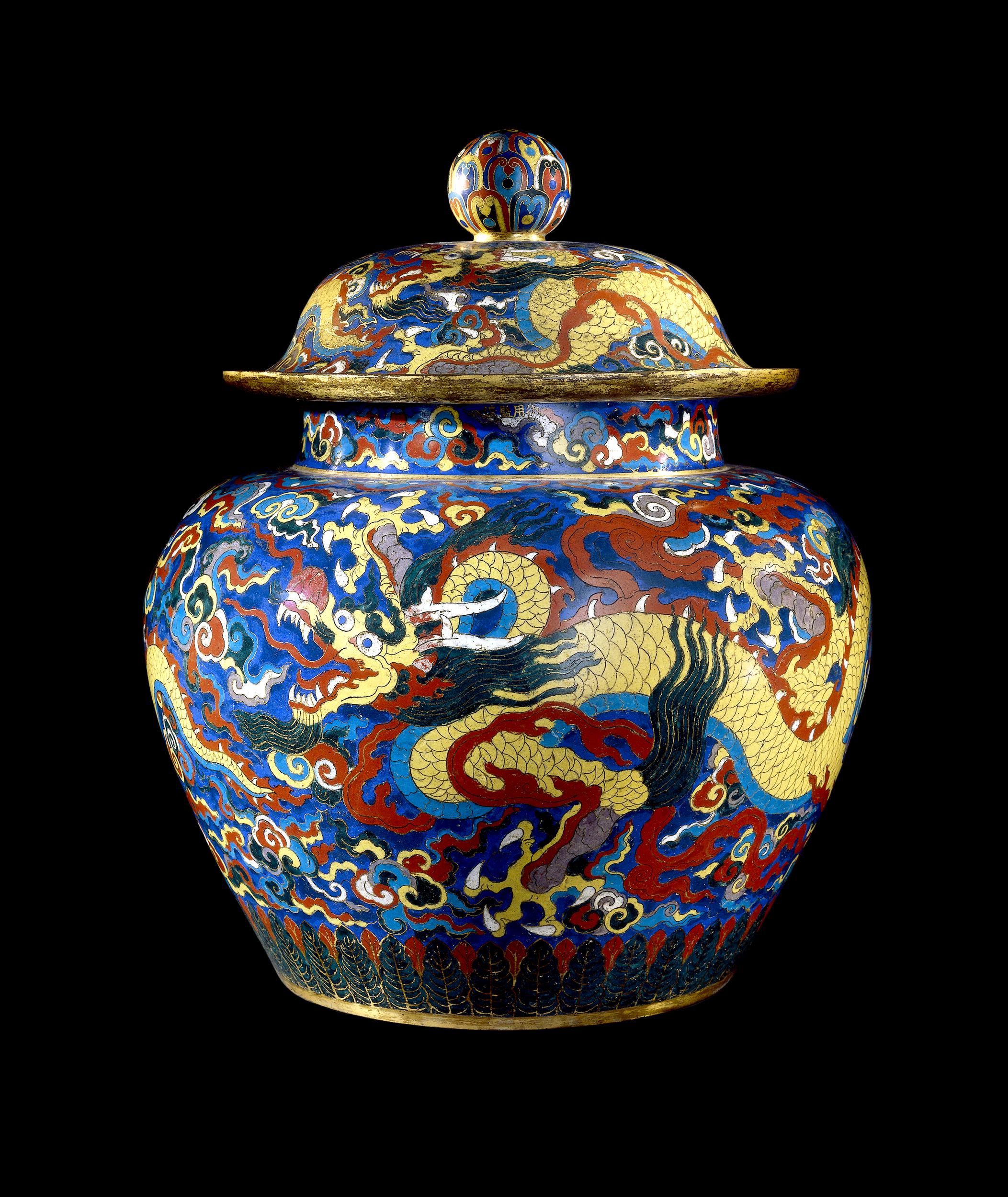
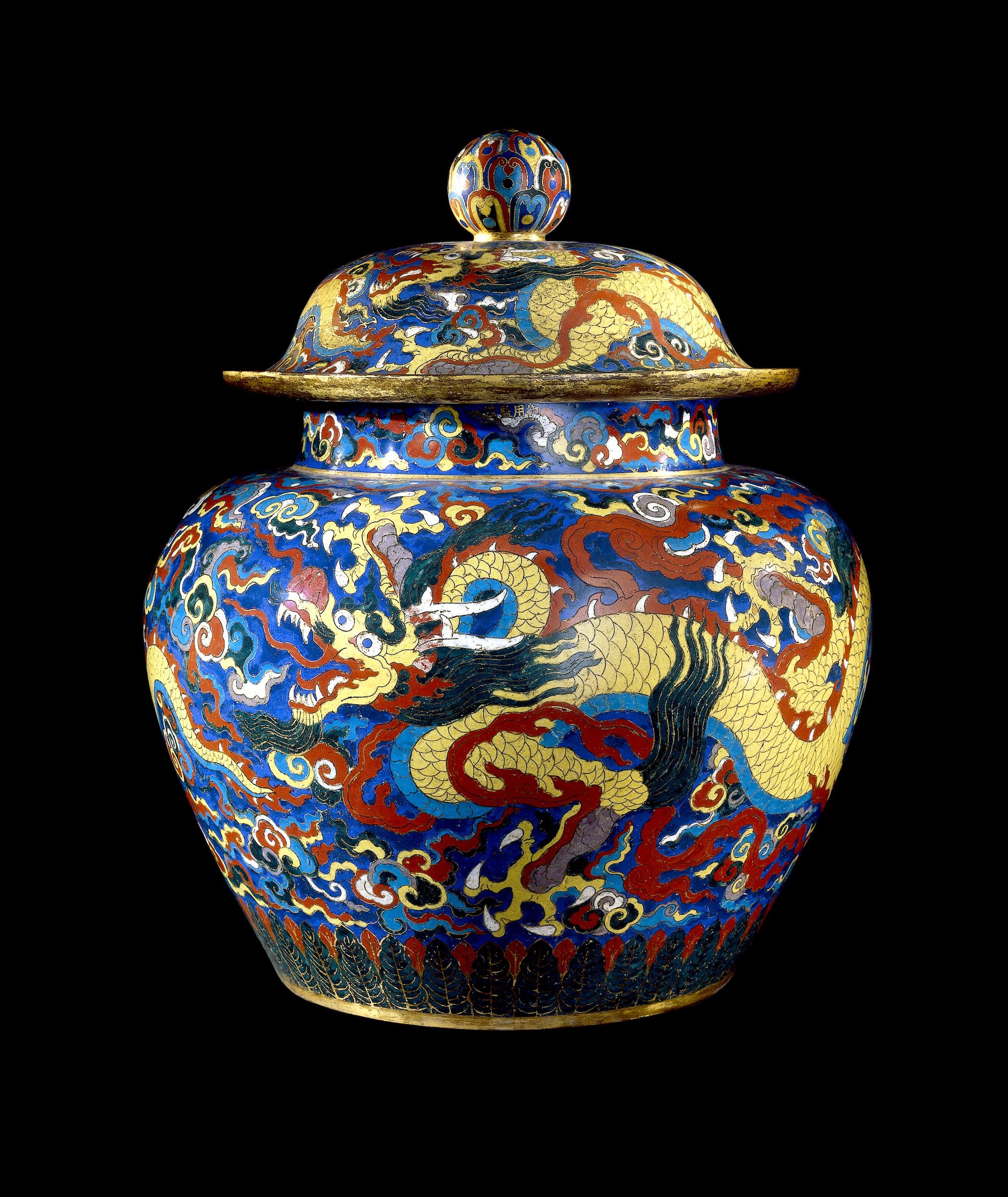
Now look at the image below: the artwork on the Chinese ceramic jar shows a dragon amidst rolling clouds. The resemblance of this motif is striking.
Cloisonné enamel decorated with a vigorous five-clawed dragon with an open mouth, pursuing a pearl among clouds. (Image credit: The Trustees of the British Museum)
The Journey Of The Swirling Clouds
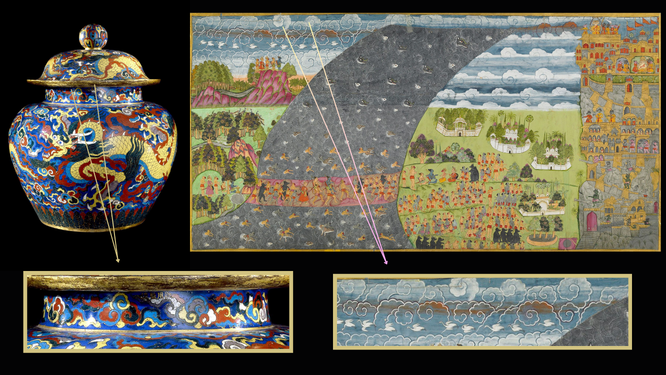
Placed side by side, the Chinese ceramic motif and the Jodhpur painted sky reveal a clear visual echo. They are similar — but not identical.
The reason is simple: the motif did not enter Jodhpur painting directly from China. Like natural clouds drifting across regions, the motif too travelled — adapting and reshaping itself along the way.
Side-by-side comparison of art depicting the swirling cloud motif on the Chinese ceramic jar and the Jodhpur painting.
Dr Sunayana Rathore, curator at the Mehrangarh Museum, explains that while the swirling cloud appears vividly in earlier Chinese and Persian traditions, it likely reached Marwar through the Mughal court, given their close political and cultural ties.
“Before Mughal influence, the earlier painting tradition in Marwar shows dark and flat skies, largely avoiding clouds — a style evident in paintings produced at Pali,” Rathore notes.
She explains that the typical swirling cloud motif seen in Jodhpur miniature paintings reflects Mughal influence, shaped by artistic exchanges and the migration of artists. Mughal art itself was a fusion of Persian and Chinese visual traditions, rooted in Central Asia and strengthened by matrimonial alliances with Persia.
“It is also evident that Humayun, the second Mughal emperor, invited artists from Persia,” Rathore adds. “The Jodhpur style carries echoes of three traditions. The sweeping linear quality of the cloud reflects Chinese influence via Central Asia, while the vibrant colours recall Persian aesthetics.”
The Transformation Of Clouds In Jodhpur
Many court scenes and royal portraits from Jodhpur also feature a celadon-green halo — a Mughal characteristic — reflecting the close association between the Jodhpur court and the Mughal empire.
However, Rathore points out that the most celebrated paintings from the Jodhpur court were produced in the 18th century and later.
“Bakhat Singh, who ruled Nagaur before becoming Maharaja of Jodhpur, established an atelier where several remarkable landscape works were created. These paintings showcase skies alive with varied cloud formations — not merely decorative elements, but expressions of political temperament, cultural confidence, and emotional intensity.”
She points out that the style matured further during the reign of Maharaja Man Singh. “Gold was used lavishly, draperies were accentuated, and the skies grew more dramatic.” These refinements continued in later innovations — a distinctive feature of Jodhpur painting, as Diamond identifies.
“The journey of the cloud as a motif in Jodhpur paintings can be traced through the works of different artists working in the court atelier,” Says Rathore.
So next time when you see a Jodhpur Painting with those swirling clouds above kings, battles, and epics, remember that you are witnessing a visual memory — one that travelled across the continent, passed through empires, and finally found its most dramatic expression in the skies of Marwar.
Handpicked stories, in your inbox
A newsletter with the best of our journalism
First Published:
February 12, 2026, 08:00 IST
Newslifestyle From China To Jodhpur: How ‘Swirling Clouds’ Travelled Across Empires And Became Marwar Painting’s Iconic Motif
Disclaimer: Comments reflect users’ views, not News18’s. Please keep discussions respectful and constructive. Abusive, defamatory, or illegal comments will be removed. News18 may disable any comment at its discretion. By posting, you agree to our Terms of Use and Privacy Policy.
Why Focus On A Single Motif?
You might wonder: why focus on just one motif in Marwar paintings?
Art historian Dr Debra Diamond offers a compelling answer. “Swirling clouds are specifically Jodhpur (paintings), but we can trace them back to Persia and further to China. Those clouds carry those memories.”
On the sidelines of the Jaipur Literature Festival 2026 (held from January 15 to January 19), Dr Diamond spoke to CNN-News18 about the paintings of Rajasthan and the surprising journey of this motif.
In 2008, she curated the internationally acclaimed exhibition Garden and Cosmos: The Royal Paintings of Jodhpur. One of the works in the exhibition — lent by Maharaja Gaj Singh II of Jodhpur — depicts Lord Rama crossing the ocean to rescue Goddess Sita from Ravana.
Rama’s Army Crosses the Ocean to Lanka from the Ramcharitmanas of Tulsidas (1532-1623) (Image: Mehrangarh Museum Trust/Smithsonian National Museum of Asian Art)
In the painting, you can see the sky (in the upper left corner) is filled with rolling, animated clouds — a hallmark of 18th-century Jodhpur Painting.
Yet, as Diamond points out, this motif did not originate in Rajasthan. It travelled from China to Persia, and eventually to Jodhpur, where it was transformed into a defining feature of the Marwar School paintings.
Now look at the image below: the artwork on the Chinese ceramic jar shows a dragon amidst rolling clouds. The resemblance of this motif is striking.
Cloisonné enamel decorated with a vigorous five-clawed dragon with an open mouth, pursuing a pearl among clouds. (Image credit: The Trustees of the British Museum)
The Journey Of The Swirling Clouds
Placed side by side, the Chinese ceramic motif and the Jodhpur painted sky reveal a clear visual echo. They are similar — but not identical.
The reason is simple: the motif did not enter Jodhpur painting directly from China. Like natural clouds drifting across regions, the motif too travelled — adapting and reshaping itself along the way.
Side-by-side comparison of art depicting the swirling cloud motif on the Chinese ceramic jar and the Jodhpur painting.
Dr Sunayana Rathore, curator at the Mehrangarh Museum, explains that while the swirling cloud appears vividly in earlier Chinese and Persian traditions, it likely reached Marwar through the Mughal court, given their close political and cultural ties.
“Before Mughal influence, the earlier painting tradition in Marwar shows dark and flat skies, largely avoiding clouds — a style evident in paintings produced at Pali,” Rathore notes.
She explains that the typical swirling cloud motif seen in Jodhpur miniature paintings reflects Mughal influence, shaped by artistic exchanges and the migration of artists. Mughal art itself was a fusion of Persian and Chinese visual traditions, rooted in Central Asia and strengthened by matrimonial alliances with Persia.
“It is also evident that Humayun, the second Mughal emperor, invited artists from Persia,” Rathore adds. “The Jodhpur style carries echoes of three traditions. The sweeping linear quality of the cloud reflects Chinese influence via Central Asia, while the vibrant colours recall Persian aesthetics.”
The Transformation Of Clouds In Jodhpur
Many court scenes and royal portraits from Jodhpur also feature a celadon-green halo — a Mughal characteristic — reflecting the close association between the Jodhpur court and the Mughal empire.
However, Rathore points out that the most celebrated paintings from the Jodhpur court were produced in the 18th century and later.
“Bakhat Singh, who ruled Nagaur before becoming Maharaja of Jodhpur, established an atelier where several remarkable landscape works were created. These paintings showcase skies alive with varied cloud formations — not merely decorative elements, but expressions of political temperament, cultural confidence, and emotional intensity.”
She points out that the style matured further during the reign of Maharaja Man Singh. “Gold was used lavishly, draperies were accentuated, and the skies grew more dramatic.” These refinements continued in later innovations — a distinctive feature of Jodhpur painting, as Diamond identifies.
“The journey of the cloud as a motif in Jodhpur paintings can be traced through the works of different artists working in the court atelier,” Says Rathore.
So next time when you see a Jodhpur Painting with those swirling clouds above kings, battles, and epics, remember that you are witnessing a visual memory — one that travelled across the continent, passed through empires, and finally found its most dramatic expression in the skies of Marwar.
Stay Ahead, Read Faster
Scan the QR code to download the News18 app and enjoy a seamless news experience anytime, anywhere.



![Though swirling clouds appear in earlier Chinese and Persian art, they likely reached Marwar via the Mughal court’s cultural and political ties. [Image credit: Mehrangarh Museum Trust (Jodhpur Painting) and The British Museum (Chinese art work)]](https://images.news18.com/ibnlive/uploads/2021/07/1627283897_news18_logo-1200x800.jpg?impolicy=website&width=400&height=225 "Though swirling clouds appear in earlier Chinese and Persian art, they likely reached Marwar via the Mughal court’s cultural and political ties. [Image credit: Mehrangarh Museum Trust (Jodhpur Painting) and The British Museum (Chinese art work)]")