

Inside M&S, the lights are up, but the shelves are only half-stocked, a small cluster of people hovering in the bakery section with the quiet intensity of commuters waiting for a delayed train. They’re not here for bread. They’re here for the Speckled Egg Cookies – the ones that are all over TikTok, the ones that sold out yesterday, the ones someone online swore were “by the pastries, second shelf down”.
But even though the store has only just opened, there are none to be had.
Someone nearby asks the staff when they’re coming back. Another is already refreshing their phone. Across the country, the same thing is playing out with customers trying multiple stores in one day, asking about restocks, posting sightings like they’re tracking a rare bird.
It is, in every sense, a hunt. Which is about the only Easter-y thing about it.
What’s so special about them? Not much. They’re thick cookies with white and milk chocolate buttons and a scattering of speckled eggs. Fine. Nice. Entirely replicable at home with a bag of chocolate eggs and a free afternoon.
And yet here we are. This is, obviously, unhinged behaviour. But it’s also not even close to the most unhinged thing happening in the Easter aisle.
On supermarket shelves this Easter, you’ll find tiramisu hot cross buns, Millionaire’s hot cross buns, a “dippy egg” cookie cup, a custard cream “biscuity” egg and an Easter-themed spin on the M&S classic Colin the Caterpillar. As if Colin wasn’t ridiculous enough on his own, around him is a supporting cast that reads more like a children’s TV lineup: Hiccup the Hippo, Ralph the Cavapoo, Shaggy the Shetland, Sunny the Sloth, Toby the T-Rex. There are more.
Because nothing says Easter quite like biting the head off a cavapoo.
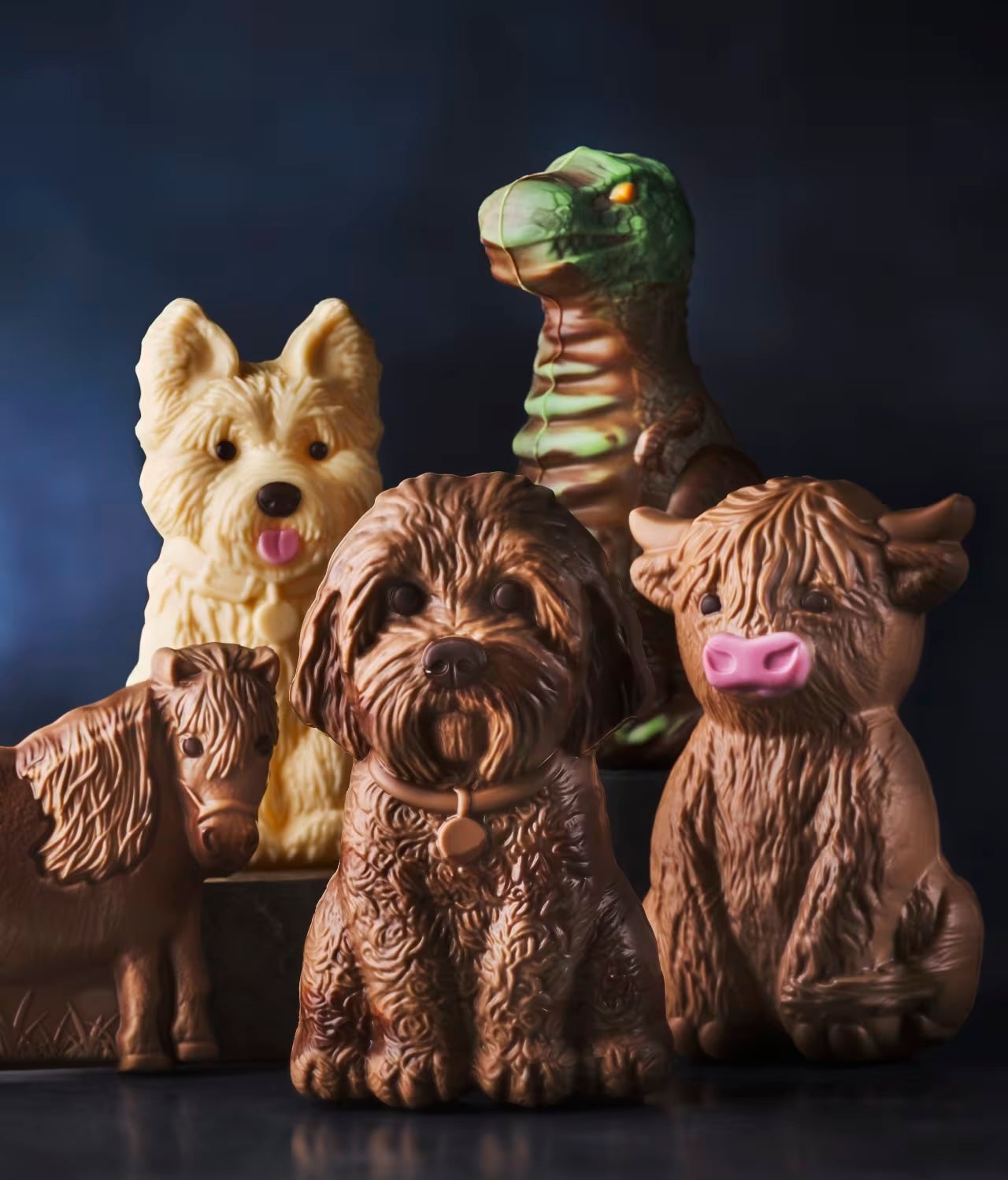
When did the Easter egg stop being an egg and start being… whatever this is? Something to be stuffed, stretched, moulded into a sloth or abandoned entirely in favour of whatever nonsense might go viral and sell out first.
There is, apparently, no format that cannot be Eastered.
Morrisons has introduced chocolate ravioli – because why have dinner when you can have dessert? There’s a hot cross bun sandwich meal deal, filled with chocolate cream cheese and cherry compote. It has the same energy as last year’s strawberries-and-cream sando moment: the quiet realisation that we have collectively agreed pudding is acceptable at any time of day. There’s also a foot-long Easter doughnut, Mini Egg sundaes and a Mini Egg cookie pizza, which sounds like something legless university students might concoct in their halls at 3am.
There was, one assumes, a meeting somewhere in which someone asked: what if we just Easter everything?
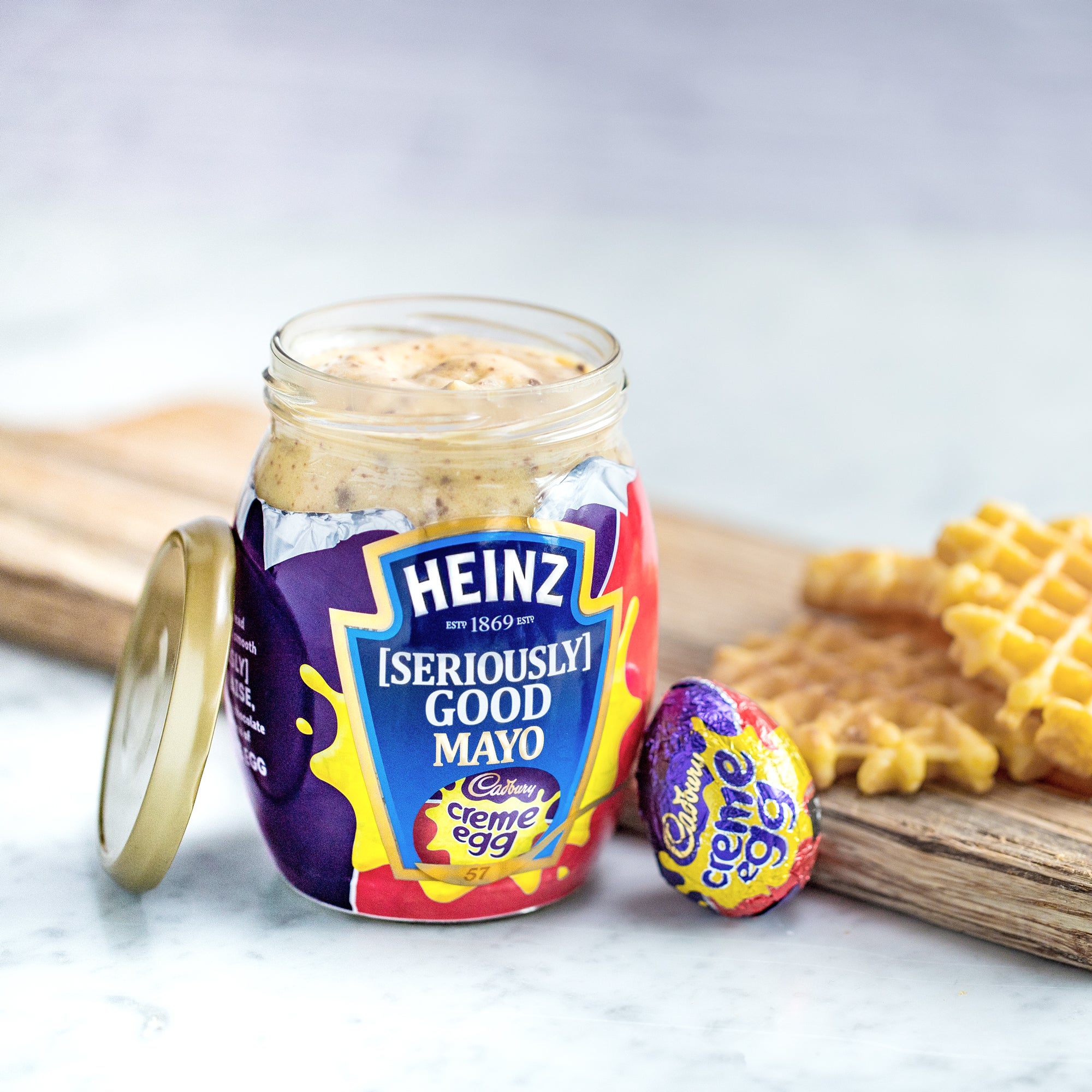
Over at Lidl, the answer is a doughnut-shaped Easter egg. Waitrose, not to be outdone, has produced a croissant-shaped one. Chocolate fried chicken is arriving in the UK just in time for this peak nonsense consumption. Someone, somewhere, is eating a Doritos-inspired hot cross bun. And if you’re the sort of person who feels Mini Eggs are lacking a certain adult edge, there is now a Mini Egg liqueur. Aldi even has a knock-off.
Eggs no longer have to be eggs. Buns don’t have to be buns. Bunnies don’t even have to be bunnies.
If there is a single product that captures this shift, it’s the hot cross bun. Once a fixed point in the British calendar, it has now entered its experimental era. Tiramisu. Millionaire’s. Cherry bakewell. Lemon cheesecake. White chocolate and raspberry. There are probably pistachio ones. There are always pistachio ones.
All of which sounds ridiculous on paper. Because it is. It is ridiculous. It is excessive, chaotic and deranged. It is also exactly what supermarkets want and, crucially, exactly what we’re buying.
Scroll through social media and you’ll find it awash with Easter hauls, taste tests, shelf updates. People aren’t just buying these products; they’re documenting them, reviewing them, ranking them, hunting them down. M&S’s Speckled Egg Cookies aren’t just cookies. They’re content.
It’s not just children driving it. Yes, there’s something undeniably infantile about it all: pastel colours, chocolate pizza, popping candy, edible animals with cute names. But the people queuing at 6am for this Easter schlock are adults. The ones posting store maps and stock alerts are adults. The ones buying Mini Egg liqueur are, one hopes, adults.
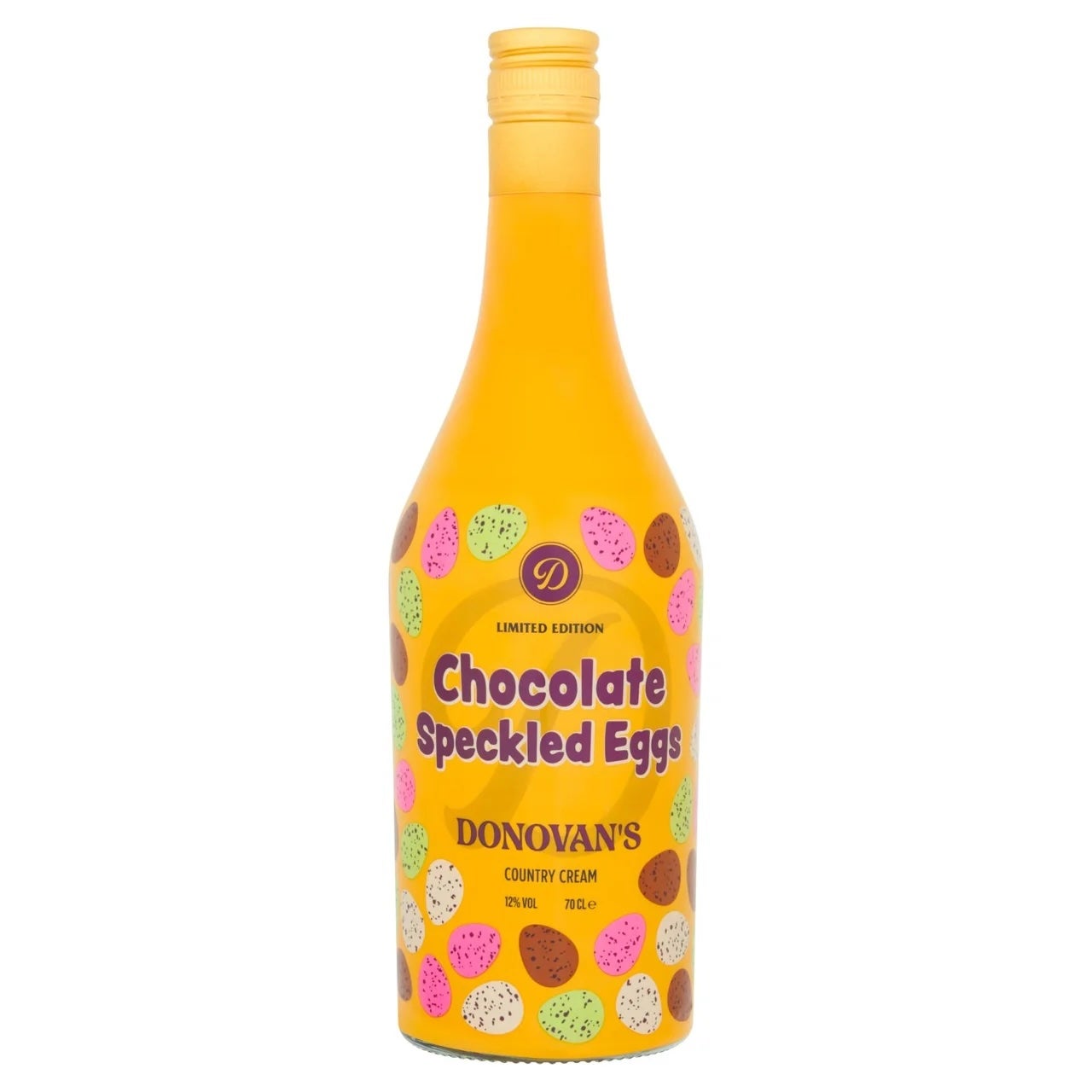
Easter, like Christmas before it, has long since drifted from its religious roots into something closer to a marketing competition for the most ridiculous product on the shelf. Did Jesus die on the cross so we could chow down on Toby the T-Rex with a Mini Egg liqueur chaser? It seems unlikely. Then again, this is the same country that once decided to see how many roast dinners could be crammed between two slices of bread. First, they came for our Christmas sandwiches. Now, they’re here for our Easter eggs.
Part of this is economic. When everything else feels expensive, uncertain or slightly bleak, a £2.50 sundae or a £4 cookie feels manageable. A small, silly indulgence. Part of it is cultural. We’ve become used to food being remixed, hybridised, pushed beyond recognition. The idea that a hot cross bun might taste like tiramisu is no longer shocking, just another seasonal update to afternoon tea.
And part of it is simply that the world itself feels a bit unhinged. Against a backdrop of relentless, often grim news, the idea of chocolate ravioli or a footlong doughnut doesn’t feel quite so absurd. If anything, it fits the mood. Comfort eating, but dialled up to the point of parody.
So yes, Easter food has become unhinged. It hasn’t happened by accident. It’s the result of a quiet arms race: supermarkets competing to create the most surprising, most shareable, most borderline nonsensical product on the shelf.
At this point, the only thing more predictable than the products is the fact that we’ll buy them anyway.