

Last Updated:
A three-paper series by The Lancet warns that as traditional food preservation declines, ultra-processed foods rise. Global diets are deteriorating – driving major health risks.
Ultra-Processed Foods Surge As Food Preservation Declines! The Lancet Study Links It To Rising Global Diseases (Image-AI)
For most of human history, food was not just consumed, it was nurtured, safeguarded and transformed through rituals that blended culture with survival. From Europe to South Asian villages, preservation was not merely a technique; it was a lifeline. And yet, a new three-paper Series published by The Lancet in November 2025 warns that this lifeline is rapidly declining.
The landmark study finds that as traditional food preservation fades and ultra-processed foods rise, diet-related diseases are surging. This shift is stark when people consider what is being lost – sun-dried mangoes turning into tangy pickles, grains bubbling into fragrant fermentations, or fish laid out along coastlines to dry. These were not just techniques; they were lifelines that carried entire communities through monsoons, droughts, and harsh winters.
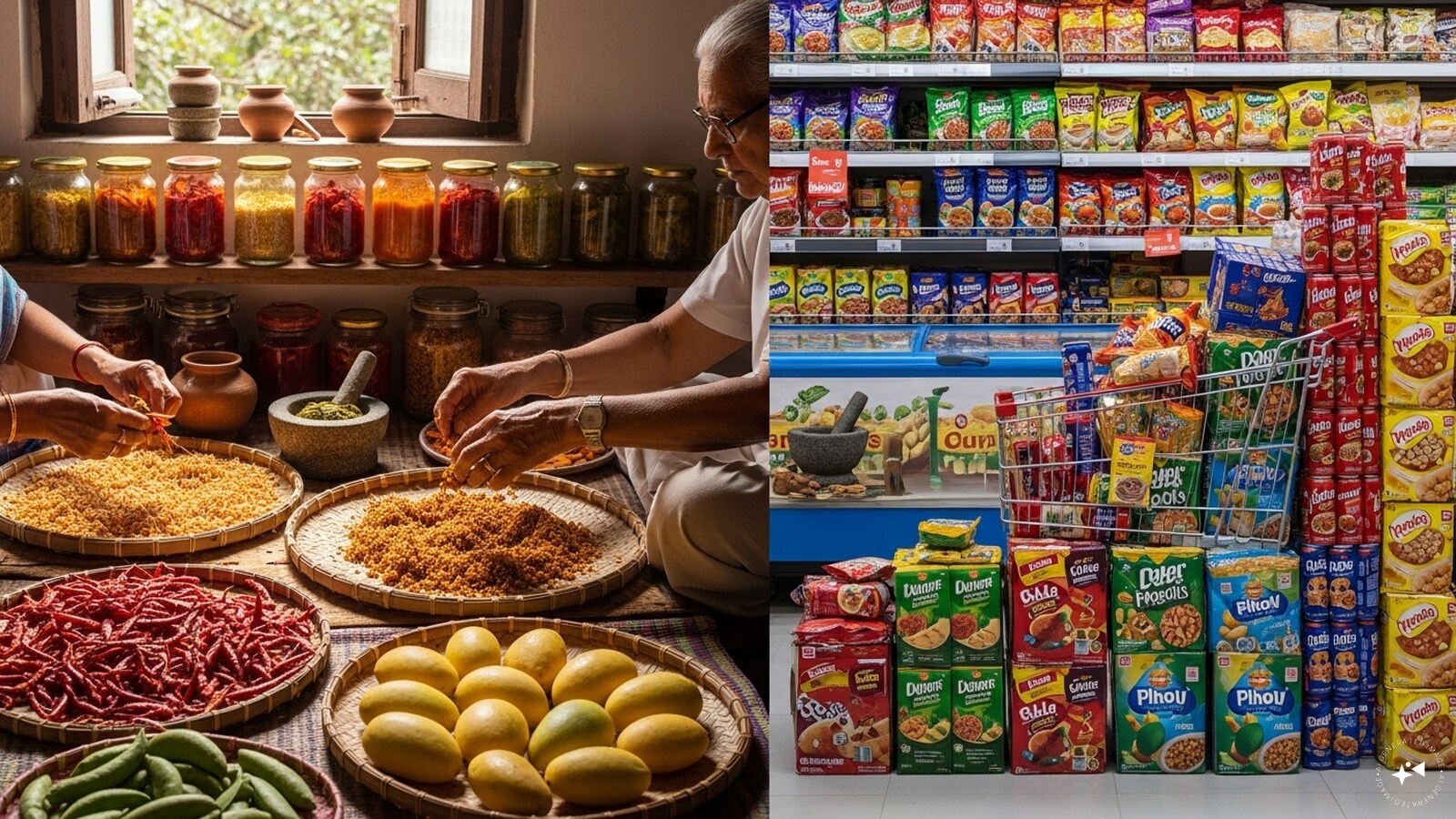
Yet in the 21st century, a quiet shift has taken place. With the growing use of refrigerators, the convenience of takeaway meals and the introduction of brightly packaged snacks, the society’s relationship with food has been reshaped. The ancestral knowledge of curing, fermenting, pickling and sun-drying techniques that once safeguarded entire populations is slipping away.
Communities that once depended on locally preserved foods now lean heavily towards packaged alternatives. In many villages across the world, even when traditional methods remain familiar, their active practice is waning as lifestyles accelerate.
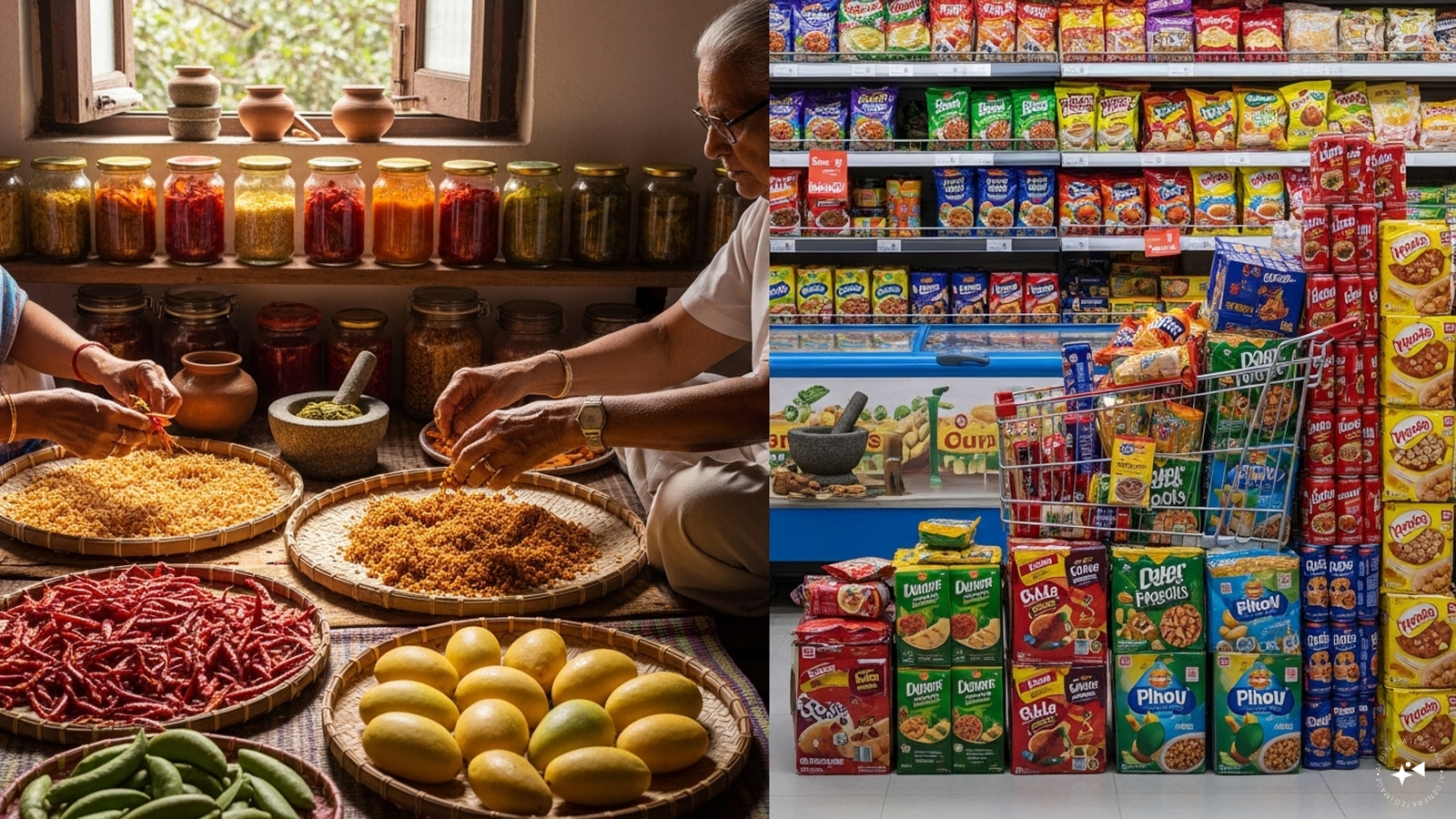
Modern diets are increasingly shaped not by seasons or soil but by industrial efficiency and profit. Ultra-processed foods (UPFs), engineered for long shelf life and irresistible taste, have infiltrated daily meals at an alarming rate. Their convenience has subtly overshadowed the need for traditional preservation, and their availability has reshaped expectations, tastes and health outcomes.
A landmark three-paper series published by The Lancet on November 18th and 19th, 2025, underscores the scale of deterioration. The series draws more than 100 prospective studies, global sales data, large cohort analyses and controlled trials, concluding that the global rise of ultra-processed foods is now one of the leading drivers of poor diet quality and a surge in non-communicable diseases.
According to The Lancet study, “Deteriorating diets are an urgent public health threat that requires coordinated policies to regulate and reduce ultra-processed foods and improve access to fresh and minimally processed foods.”
The study further explains that the increase in UPFs is slowly displacing age-old diets centred on whole foods and culinary preparation, degrading nutritional quality and heightening the risk of type 2 diabetes, endocrine disruption and digestive disorders.
The Disappearing Art Of Food Preservation
Traditional preservation, including curing, drying, pickling and cellaring, once served as one of the strongest defences against scarcity. In rural communities, villagers continue to cure meat and fish to ensure food through harsh seasons. Sun-drying veggies, fermenting rice and storing grains in mud-sealed containers were not optional; they were the survival strategies.
Convenience culture
Modern lifestyle, long working hours, urban communities, and shrinking kitchens mean fewer people have the time and desire to engage in a multi-step preservation method. Supermarkets and online apps have removed the urgency of preserving seasonal abundance. Consumers are no longer dependent on dried, smoked or pickled foods. Instead, they rely on factory-frozen nuggets, flavoured drinks, ready-to-eat meals and pre-chopped fruits and vegetables.
Over-reliance on technology
Refrigerators, freezers and vacuum sealers have generally created a sense of food security that depends entirely on electricity. This technological system has pushed traditional techniques into obscurity.
Intergenerational knowledge
For millennia, preservation techniques were passed down through generations. Grandmothers taught children the exact amount of salt needed for curing, explained how to smoke meat at the right temperature, and fermented grains and pickles for consumption.
As today’s generation migrates to cities and adopts urban lifestyles, this transfer of knowledge somehow collapses. To understand the smell of a perfect tadka, the texture of sun-dried food, and the timing of fermentation is difficult to learn from the packaged recipes.
Why Preservation Still Matters
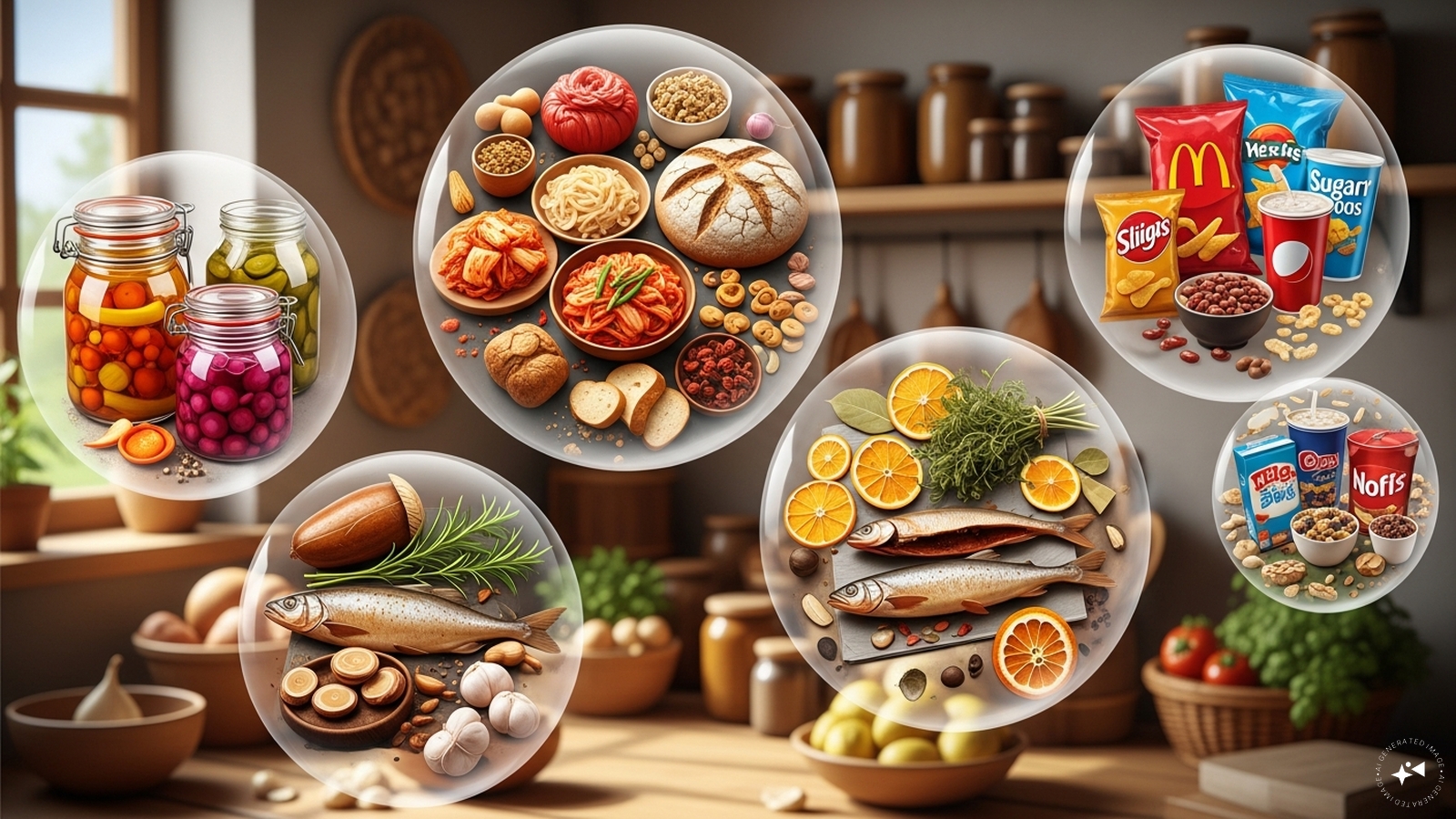
Traditional preservation is not outdated – it is considered essential. A 2025 study in the International Journal of Environment, Agriculture and Biotechnology highlights several advantages:
- Natural & Chemical-Free: Salt, oil, fermentation, and sun-drying avoid synthetic preservatives.
- Higher Nutritional Value: Fermentation boosts probiotics; drying retains minerals.Eco-Friendly: Requires minimal energy—root cellars, sun-drying, smoking.
- Cost-Effective: Especially in rural settings where ingredients are abundant.
- Superior Flavour: Ageing, smoking, and fermenting enrich the taste.
- Long-Term Storage Without Electricity: A resilience advantage during crises
How Is The Rise Of Ultra-Processed Foods Replacing Preservation?
The key conclusions from The Lancet Series are:
UPFs are displacing traditional diets globally– National food surveys and sales data show that UPFs are replacing home-cooked meals and minimally processed foods across income groups.
UPFs degrade diet quality– The ultra-processed foods are associated with high energy density, hyper-palatability leading to overeating, reduced intake of plant-based nutrients and phytochemicals, exposure to harmful additives, endocrine disruptors and disrupted food matrices that affect digestion.
UPFs increase the risk across the body– The diseases linked to the consumption of ultra-processed foods include obesity, type 2 diabetes, colorectal cancer, cardiovascular disease, inflammatory bowel disease, endocrine disorders, and poor mental health outcomes.
Global corporations drive the UPF surge– The study states, “The rise in ultra-processed foods is driven by powerful global corporations who employ sophisticated political tactics to protect and maximise profits.”
The Lancet stresses the fact that dietary education alone is insufficient. “Diet deterioration is an urgent public health threat requiring coordinated policies and advocacy to regulate UPFs and improve access to fresh foods.”
The Impact Of Food Preservation
- Replacing fermented, cured and naturally stored foods with ultra-processed foods removes protective probiotics, fibre-rich staples and nutrient-dense meals.
- Traditional preservation uses sunlight, cellar coolness and salt. Ultra-processed foods rely on plastic packaging and chemical additives.
- Although ultra-processed foods can satisfy cravings, traditional methods require patience and certain techniques that can provide immense health benefits.
The decline of traditional food preservation is a public health crisis which is closely linked with environmental degradation and cultural erosion. Reclaiming traditional preservation is a necessity for a healthier approach towards changing lifestyles and reducing wastage.
November 22, 2025, 08:00 IST


Stay Ahead, Read Faster
Scan the QR code to download the News18 app and enjoy a seamless news experience anytime, anywhere.