A £30,000 bridal gown. Ten thousand roses. Twelve episodes of reality TV. And… no marriage licence?
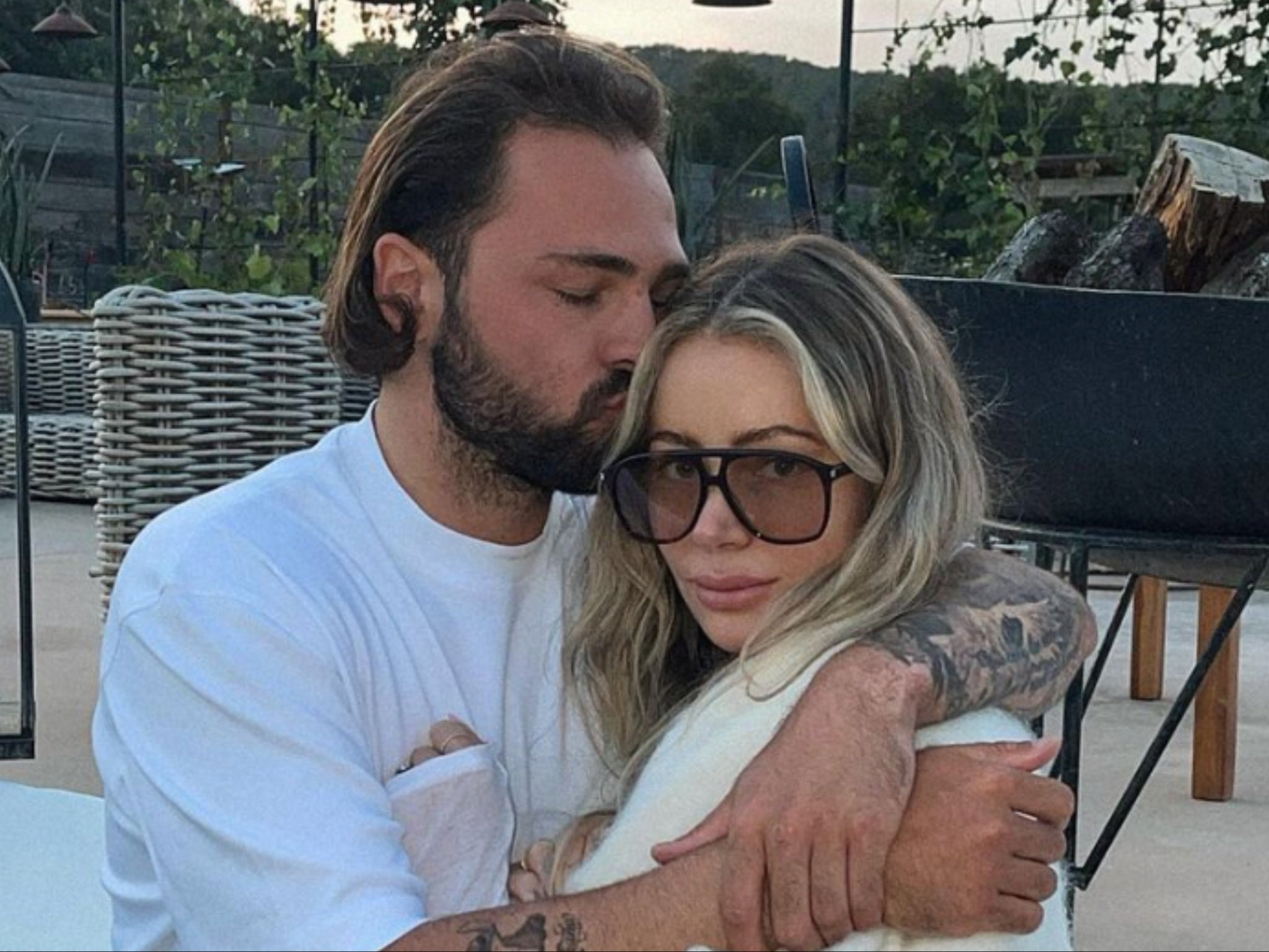
In 2023, the Love Island star turned TV presenter Olivia Attwood documented the lead-up to her wedding to footballer boyfriend Bradley Dack in the ITV show Olivia Marries Her Match. In the final episode, which took viewers behind the scenes of their fancy ceremony at London’s Bvlgari Hotel, the bride and groom signed what appeared to be some official paperwork, formalising their newly-wedded status.
Afterwards, they referred to each other as husband and wife, with Attwood swapping her surname for a newly hyphenated version on her social media accounts. They even recorded a special episode of her podcast all about wedded bliss. And if a celebrity couple says they’re married, and broadcasts said marriage on ITV, then we can safely assume that they are, well, married, right? Apparently not.
The Attwood-Dacks split earlier this year, and in the wake of the couple’s breakup, it has emerged that they were never legally wed at all. Last month, a Mail on Sunday report claimed that there was no record of the couple’s London marriage either at the City of Westminster Archives Centre or with the General Register Office, an archive of all the marriages and civil partnerships that take place in England and Wales.
It also emerged that their wedding venue didn’t hold a marriage licence at the time that the ceremony took place (although it has since acquired one). “Despite her best efforts, the wedding planner was unable to turn [a wedding-certified venue] around in time so an appointment was made six weeks after the ceremony to complete paperwork at a registry office near their home in Cheshire,” a source told the Mail.
But during those six weeks, that source alleges, Attwood “uncovered a number of mistruths” in the relationship, “which put a stall on following through” – and “ultimately, Olivia was unable to agree to legally bind their union”. Despite this, the pair kept up the marital illusion for several years. “What’s it like being married to an absolute queen?” Attwood asked Dack in their joint podcast episode back in 2024.
For a reality star like Attwood whose public image is all about straight-talking authenticity, this strange sort of wedding scandal feels like a PR misstep; her entire persona, from Love Island to the present day, has been built upon telling it like it is. But she and her ex are not the only famous pair to have gone to all the trouble of throwing a big Instagram-documented wedding… without doing any of the legal stuff.
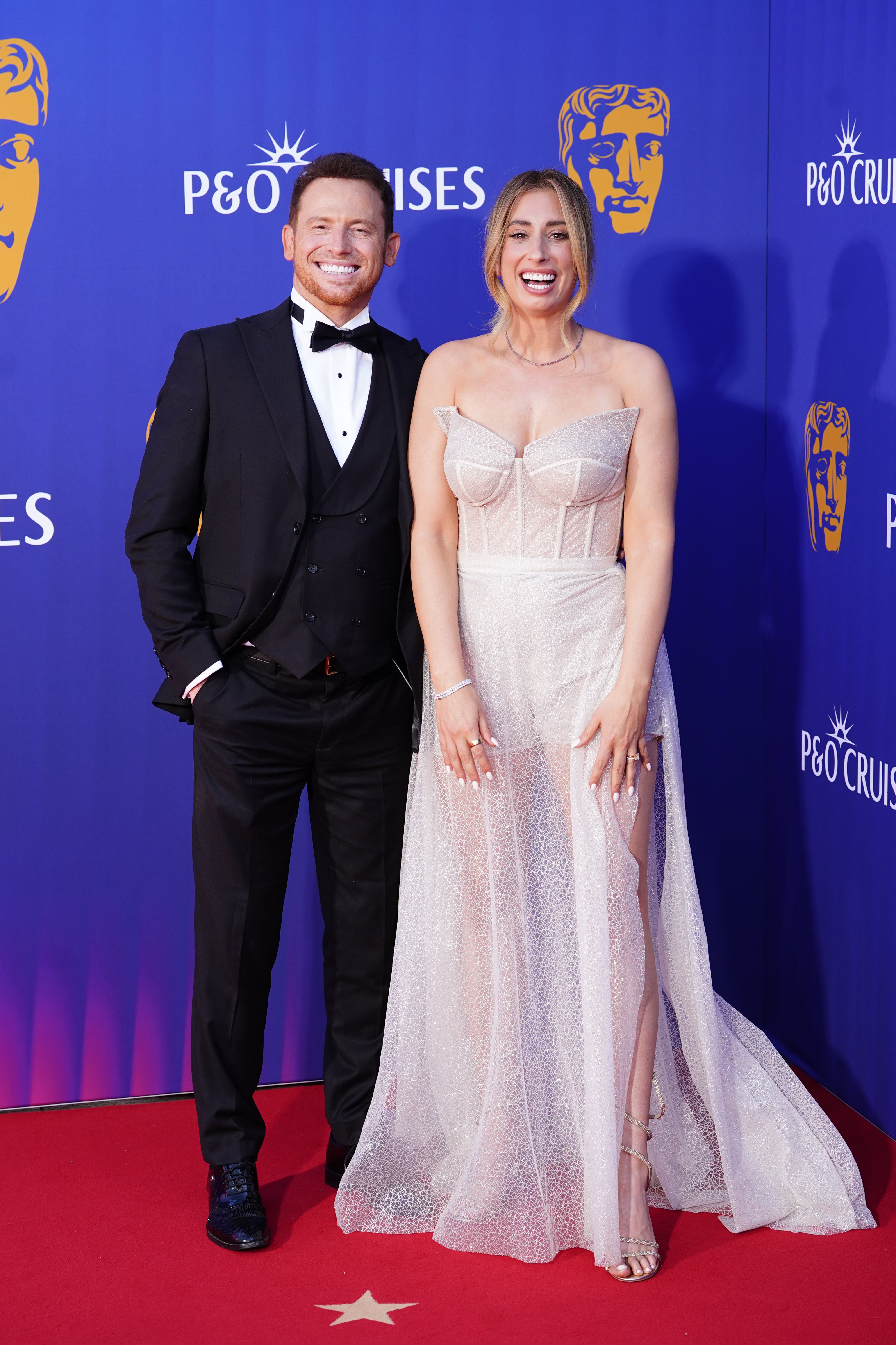
Take X Factor runner-up turned TV star Stacey Solomon and her actor-presenter partner Joe Swash, for example. In 2022, the couple, who have six children between them, threw a lavish “wedding” ceremony at their home in Essex. But earlier this month, perhaps hoping to pull off a similar “gotcha” moment, The Sun revealed that they have yet to formalise the marriage.
It’s worth noting, though, that Solomon was always transparent about the fact that they couldn’t host a proper wedding at home, telling her followers: “We are having a relaxed private blessing in front of our closest friends and family and a ceremony of our love to each other and we will register our marriage legally after.”
Plenty of other celebrity couples, such as the YouTubers Jake Paul and Tana Mongeau and reality star Brody Jenner and “bride” Kaitlynn Carter, have gone down a similar route, putting on a big nuptial extravaganza (and selling access to it, whether by offering followers the opportunity to pay for a live video stream or flogging the image rights to a magazine) only to later admit that none of it was legally binding.
Mongeau was particularly candid about her “wedding” on her MTV reality show, Tana Turns 21. “It’s something fun and light-hearted,” she said, noting that the celebration was “obviously done for content”. She was, perhaps, saying the quiet part out loud.
For stars and influencers whose careers are predicated upon sharing every moment, big or small, a wedding is also a “content” opportunity. It’s not necessarily that the romances themselves are counterfeit, points out PR consultant and SA Communications founder Sophie Attwood (no relation to Olivia). In fact, she says, “the relationships themselves appear as genuine as any”. But at the same time, “these so-called ‘fake weddings’ also reflect a very considered PR play”, she notes.
Celebrities, Sophie adds, “particularly those who have built their platforms through reality television, understand that narrative is currency” – and a wedding is a classic storytelling device. It “naturally creates a high impact and memorable moment which captures attention, drives conversation, and crucially opens the door to a wider commercial ecosystem of brand partnerships, exclusives and media opportunities”.
These so-called ‘fake weddings’ also reflect a very considered PR play
Sophie Attwood, PR consultant
Once this might have meant an OK! cover shoot to document the big day. But the landscape has changed, as Borne Media co-founder Denise Palmer-Davies, who has worked in celebrity management for more than 20 years, points out. “Gone are the days of ‘mega-money’ deals for magazine exclusives,” she notes, but social media “has stepped in to fill the gap”.
A “compelling couple”, Palmer-Davies adds, “can not only secure branded freebies but also earn significantly more if their appeal helps a brand sell”. A successful pre-wedding ad campaign, for example, might lead to longer-term sponsorship.
Aside from simply making money off the big day and its preamble, there is perhaps another financial imperative to faking it. Skipping out the legal stuff could potentially make it easier to untangle their finances in the case of a breakup. A 50/50 division is normally used as the starting point for assets accrued during the marriage (although there are many factors that can influence the final split, with fairness generally seen as more important than complete equality).
In the case of Attwood, we can probably safely assume that her earning potential as a presenter, podcaster and all-round social media star outstrips Dack’s as a lower division footballer. Pure speculation, of course, but perhaps she simply wanted to remain financially separate? “Divorce has traditionally been thought of as a legal process that benefits women over men,” says journalist Eve Simmons, whose latest book, What She Did Next, explores the aftermath of being blindsided by a breakup. “But now that we have more female breadwinners than ever before, it’s not the case. Far too many are naive to the realities of marriage: [that] your husband [or] wife has access to your assets should you divorce.”
Pretending to be married might offer short-term gains, but credibility, once lost, is almost impossible to regain
Denise Palmer-Davies, co-founder of Borne Media
She isn’t surprised that wealthy stars such as Attwood might be “wising up to the fact marriage might not benefit them financially – especially if they have worries about the relationship lasting long term”. But she does wish that “celebrities – female in particular – would be honest about this, because it raises awareness of the legal implications and hopefully furthers women’s financial independence”.
It’s this question of honesty that Palmer-Davies finds troubling, too. Acting like your wedding is the real deal, she says, “is not just a harmless facade, it manipulates the public’s trust, encourages speculation, and sets a worrying precedent that image is more important than truth”. Privacy and controlling your public narrative, she adds, “are one thing, deliberately fabricating a personal life for commercial gain is another”.
And once that fabrication is uncovered, fans and brands alike might start to turn away, taking their support (and their money) elsewhere. There’s an element of “the influencer who cried wolf” here – if you’ve lied about one big life event, who’s to say that your followers won’t be extremely sceptical next time you announce another milestone? “Celebrities can and should be strategic, but integrity must remain at the heart of their public persona,” Palmer-Davies cautions. “Pretending to be married might offer short-term gains, but credibility, once lost, is almost impossible to regain.”