Last Updated:
Doctors warn that frequent use of morning after pills expose the body to a hormone dose several times higher than a regular contraceptive pill disrupting the body’s hormonal rhythm

The key difference is that long-term contraception works with the body’s natural hormonal cycle, whereas emergency contraceptive pills interrupt it each time they are used. (Representational photo: AFP File)
A 22-year-old graphic designer from Surat was admitted to hospital with severe abdominal pain and heavy uterine bleeding that had continued for nearly 22 days. Her blood pressure was dangerously low. She had taken an emergency contraceptive pill (ECP) to rule out the possibility of pregnancy. But an ultrasound scan revealed something far more serious.
Her pregnancy was located in the fallopian tube — a condition known as an ectopic pregnancy. In such cases, taking pills does not terminate the pregnancy and can lead to the rupture of the fallopian tube, causing severe internal bleeding.
Doctors say emergency contraceptive pills are increasingly being used several times a year, often after unprotected sex, turning what is meant to be an “emergency” medication into a routine solution.
Drug Controller General of India (DCGI), India’s top drug regulatory authority, has cleared new mandatory warning labels for emergency contraceptive pills, ending years of ambiguity around one of the country’s most widely sold over-the-counter medicines.
A March 2026 Pinky Promise report found that while demand for sustained contraceptive methods such as oral pills and intrauterine devices remains high, emergency pills continue to be the most practical option for many young women because they are discreet, prescription-free and available even late at night.
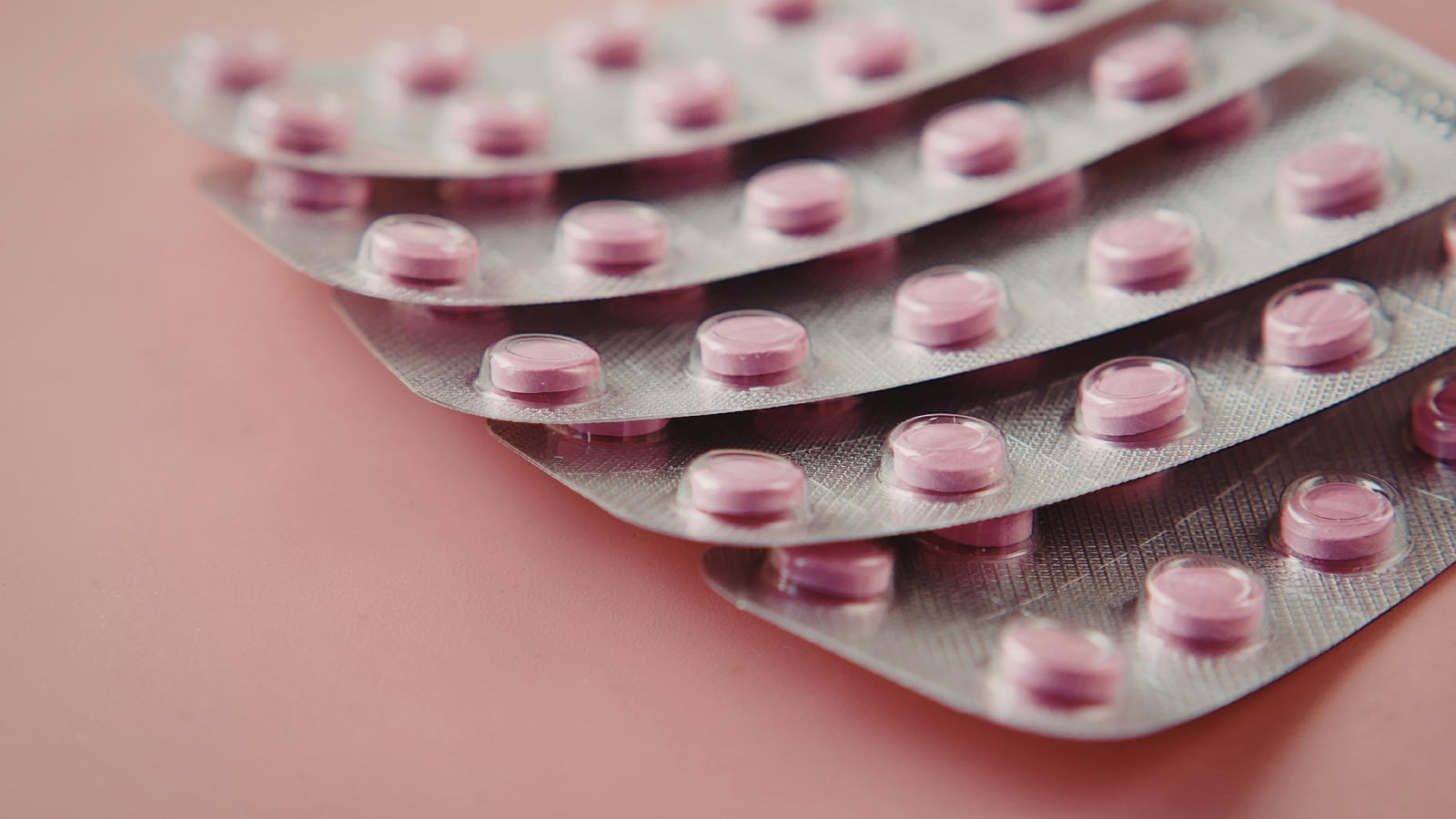
Critically, they remain over-the-counter medicines, but now with three mandatory boxed warnings on primary labels, carton labels and package inserts.
Sukriti (name changed for anonymity) was admitted to the emergency ward with vomiting, severe abdominal pain and heavy uterine bleeding. Her blood pressure was falling.
The 22-year-old graphic design intern had been bleeding for nearly 20 days. She believed the emergency contraceptive pill she had taken earlier had eliminated any possibility of pregnancy.
An ultrasound revealed something far more serious. The pregnancy was located in the fallopian tube, a condition known as ectopic pregnancy. The tube had ruptured, and she was rushed into emergency surgery.
What Are Emergency Contraceptive Pills?
Emergency contraceptive pills (ECPs), often referred to as the morning-after pill, are hormonal tablets taken to prevent pregnancy after unprotected sex or when a contraceptive method fails, such as a broken condom or missed birth control pill.
They fall under emergency contraception, which means they are designed for unexpected situations rather than regular use.
Emergency contraception is not the same as routine birth control. It is a temporary measure used after the fact, when protection was not used or did not work.

While these pills can help reduce the risk of pregnancy in such circumstances, they are not intended to serve as a long-term contraceptive method. For ongoing pregnancy prevention, doctors recommend more reliable options such as regular birth control pills, intrauterine devices (IUDs), or contraceptive implants, which are designed for consistent and sustained protection.
Dr Aastha Gupta, Senior IVF Consultant and infertility expert in Obstetrics and Gynaecology at Delhi IVF, New Delhi, explains that the pill was designed strictly for urgent situations. “iPill or any other emergency contraceptive pill was made for emergency situations, such as when someone has unprotected sex, a contraceptive fails, or misses taking the birth control pill. It is not intended to be used as a routine form of birth control. Repeated use can disrupt the menstrual cycle and create hormonal imbalances. Other methods of birth control and the birth control pill are much safer and more dependable for routine use,” she says.
The pill works primarily by delaying ovulation or preventing the ovary from releasing an egg, she explains.
“It can also increase the thickness of cervical mucus, making it more difficult for sperm to enter the uterus. In rare situations, the emergency pill may alter the lining of the uterus, making it less likely for an embryo to attach to the uterine wall,” Dr Gupta adds.
It is not an abortion pill and was designed for unexpected situations such as broken condoms or missed contraceptive doses.
It also becomes less effective in women above 70–75 kg and may not work at all above 80 kg, a limitation many women are unaware of when purchasing it over the counter.
How Soon Can You Take An Emergency Contraceptive Pill?
According to Dr Gupta, timing plays a crucial role in the effectiveness of emergency contraception. “Emergency contraceptive pills are most effective when taken as soon as possible after unprotected sex, ideally within 24 hours. They can still be taken up to 72 hours later, and some pill types may work up to 120 hours, though effectiveness decreases as time passes,” she says.
Even when taken correctly, the pill does not guarantee complete protection.
“When used within 24 hours of unprotected sex, the pill can prevent pregnancy about 85 to 95 percent of the time. But its effectiveness depends on several factors including body mass index, whether ovulation has already occurred, the timing of the pill and whether vomiting occurs soon after taking it or certain medications are being used,” she explains.
How Many Emergency Contraceptive Pills Are Too Many?
There is no official “safe number” for emergency contraceptive pills. However, doctors warn that frequency is dangerous because each pill exposes the body to a hormone dose several times higher than a regular contraceptive pill. Used frequently, this can disrupt the body’s hormonal rhythm.
The 93rd meeting of the Drugs Technical Advisory Board document said, “Do not take this medicine more than twice in a month. Use of alternative methods of contraception is encouraged in consultation with registered medical practitioners.”
Dr Isha Kriplani, Consultant in Obstetrics and Gynaecology at Paras Health, Gurugram, explains that the pill is generally safe for occasional use but may cause short-term side effects.
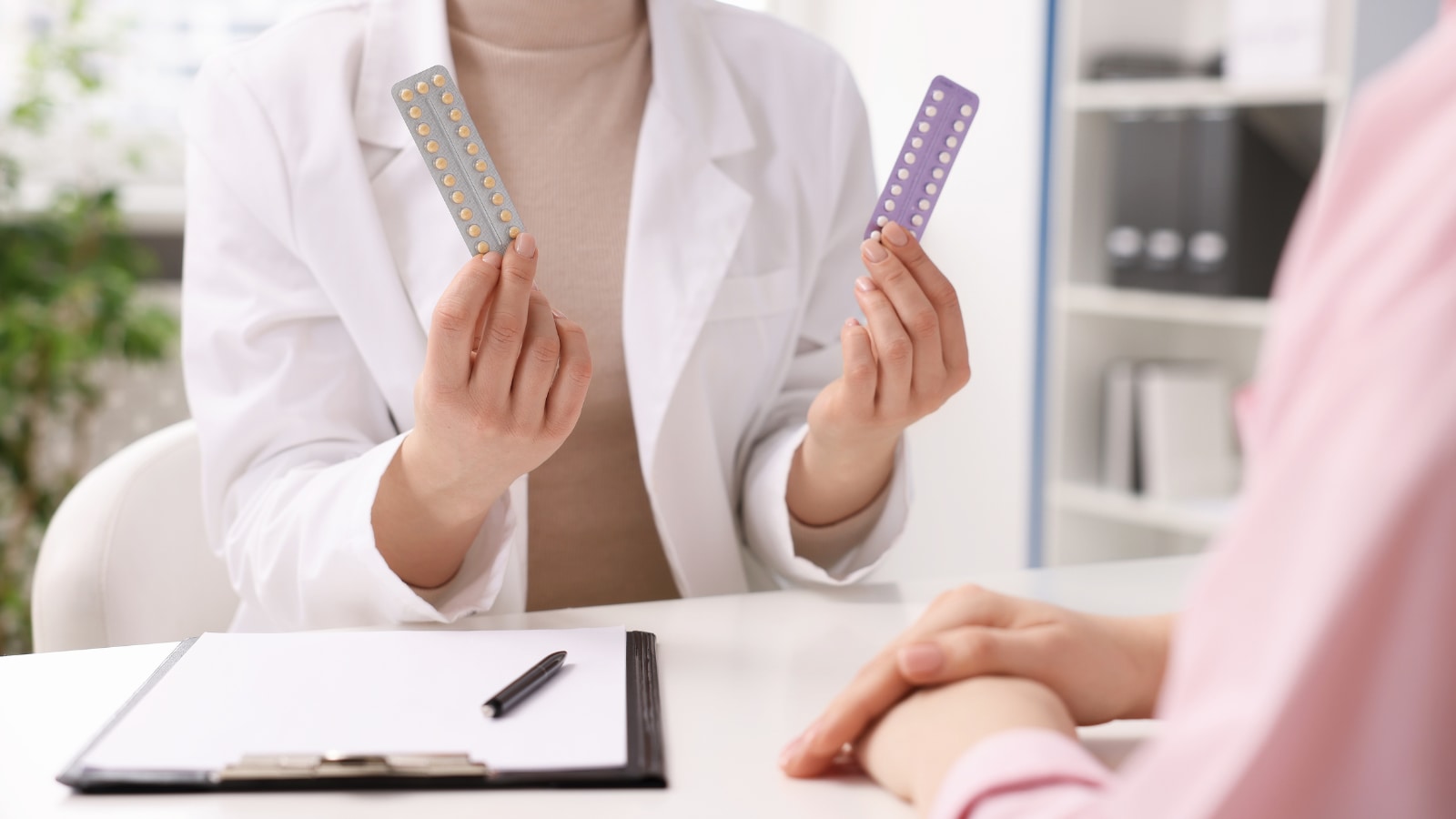
“Emergency contraceptive pills like iPill contain a high dose of hormones intended to prevent pregnancy after unprotected intercourse. Some women may experience nausea, fatigue, headache, dizziness, breast tenderness, mild abdominal pain or spotting between periods. The next menstrual period may come earlier or later than expected, but these symptoms usually settle within a few days,” she says.
Repeated use can disrupt menstrual cycles. “Frequent use can disturb the body’s natural hormonal balance. Repeated intake within the same cycle or across multiple cycles may lead to irregular periods, delayed or early menstruation, unpredictable spotting and sometimes heavier or prolonged bleeding,” Dr Kriplani adds.
Can Frequent Use of Emergency Contraception Disrupt Menstrual Cycles Or Lead to Prolonged Bleeding?
Dr Kriplani brings in caution and emphasis, “frequent use of emergency contraceptive pills can disrupt the body’s natural hormonal balance. Since these pills contain a relatively high dose of hormones, repeated use within the same cycle or across multiple cycles may lead to irregular periods, delayed or early menstruation, or unpredictable spotting and bleeding. Some women may also experience heavier or prolonged bleeding.”

There are reports of many women experiencing some light spotting, irregular periods, and even earlier and later births following use of the emergency contraception. Dr Gupta remarks, “This is normal for most women. However if you have a very heavy or prolonged bleed, experience intermittent pain in your abdomen, or feel dizzy,you should seriously consider seeking immediate medical attention.”
What Symptoms Should Raise Concern?
Dr Kriplani advises seeking help if severe symptoms appear. “Women should seek medical attention if they experience severe abdominal pain, very heavy or prolonged bleeding, persistent vomiting, severe dizziness or if their period is delayed by more than a week. These symptoms could signal complications such as an ectopic pregnancy or other medical concerns,” she says.
Dr Gupta also notes that mild symptoms are common. “Many women may experience light spotting, irregular periods or shifts in cycle timing after taking the iPill. These changes are usually temporary. However, heavy or prolonged bleeding, abdominal pain or dizziness should be evaluated immediately by a doctor,” she adds.
What Are Other Ways Of Contraception?
Emergency contraception is not the only contraceptive option. Condoms are easily available, require no prescription and remain the only contraceptive method that protects against sexually transmitted infections.
After consulting with a doctor women can get regular oral contraceptive pills, intrauterine devices and hormonal implants offer more consistent protection without sudden hormonal spikes.

Doctors say the reason many people default to emergency pills is convenience. But long-term contraception is designed to work with the body’s hormonal cycle rather than interrupting it repeatedly.
Women with pre-existing liver disease, heart conditions or hormonal disorders should consult a doctor before taking any contraceptive medication.
Around 57% of emergency contraceptive pills are obtained over the counter from pharmacies. Pharmacies and drugstores account for 44.4% of distribution, followed by government facilities and private clinics.
The DCGI the country’s top drug regulatory authority’s Drugs Consultative Committee directed that all emergency contraceptive pill brands must now carry three boxed warnings:
- The pill offers no protection against HIV or sexually transmitted infections
- It should not be taken more than twice a month
- Women should consult a registered medical practitioner about regular contraception.
- The package insert must also carry detailed information as recommended by the sub-committee report.
March 13, 2026, 13:27 IST


Stay Ahead, Read Faster
Scan the QR code to download the News18 app and enjoy a seamless news experience anytime, anywhere.