

Mornings in India are rarely slow. Between packing bags, rushing through a bath, and trying to eat something before heading out, breakfast is usually the first casualty. A slice of toast eaten standing up, a quick cup of chai with a biscuit, or sometimes nothing at all, and then the hunger hits you on the commute, well before you reach your desk. The oats banana smoothie is the answer to all of this. It takes five minutes, travels well in a bottle, tastes genuinely good, and packs enough protein, fibre, and energy to carry you through the first half of your morning without a single mid-snack distraction. Here is everything you need to know about why it works, how to make it perfectly, and how to tweak it to suit your taste.
Also Read: Which Country Is Known As The Olive Oil Capital Of The World?
Why Oats And Banana Are Such A Good Team
Before diving into the recipe, it’s important to understand each ingredient’s role, as this smoothie is a nutritionally balanced breakfast option you can prepare in under ten minutes. Oats release energy slowly due to their soluble fibre, beta-glucan, which keeps you full, supports gut health, and maintains steady blood sugar levels. They also offer about 13 grams of protein per 100 grams, making them a valuable breakfast addition. In India, oats are affordable and widely available, from basic brands like Quaker and Saffola to premium options. Bananas add natural sweetness, a creamy texture, potassium, and quick-acting carbohydrates for immediate morning energy. A ripe or overripe banana blends well and tastes sweeter, while freezing it thickens the smoothie. Oats and bananas together provide a balanced carbohydrate profile, with bananas offering immediate energy and oats sustaining it. Adding a protein source like curd, Greek yoghurt, or peanut butter makes this breakfast filling and sustaining for three to four hours.
The Protein Question
A smoothie made from oats, banana, and milk is nutritious but lacks high protein. To boost its protein content, consider these additions:
Curd or Greek yogurt are convenient and Indian-friendly option. Regular curd offers 8 to 10 grams of protein per cup, while Greek yoghurt, being more concentrated, provides 15 to 17 grams. Both add a tangy contrast to the banana’s sweetness. For a cost-effective alternative, hang a cup of regular dahi in a muslin cloth overnight to create hung curd, rich in protein.
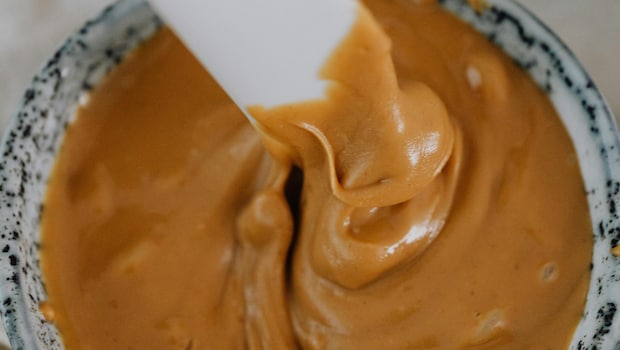
Peanut butter is another excellent choice, adding 7 to 8 grams of protein per two tablespoons. It also provides healthy fats for satiety and a nutty flavour, making the smoothie feel more like a meal. Opt for natural peanut butter with just peanuts and salt.
Milk, whether dairy or plant-based, also contributes to protein. Full-fat dairy milk has about 8 grams per cup, while soy milk offers around 7 grams. Almond and oat milk are lower in protein but lighter and more flavourful.
For those who exercise regularly, a half-scoop of unflavoured or vanilla whey protein can elevate the smoothie’s protein content above 25 grams, making it ideal for post-workout recovery.
The Base Recipe
Serves: 1
Time: 5 minutes (plus overnight for freezing the banana, if using)
Approximate protein: 18 to 22 grams (without protein powder)
Ingredients
- 1 medium ripe banana (frozen preferably)
- ⅓ cup rolled oats (old-fashioned, not instant)
- ½ cup thick curd or Greek yoghurt
- ¾ cup cold milk (dairy or plant-based)
- 1 tablespoon peanut butter (natural, unsweetened)
- 1 tablespoon honey or jaggery powder, to taste
- ½ teaspoon vanilla extract (optional but recommended)
- A pinch of cinnamon (optional)
- 4 to 5 ice cubes (skip if using frozen banana)
Method
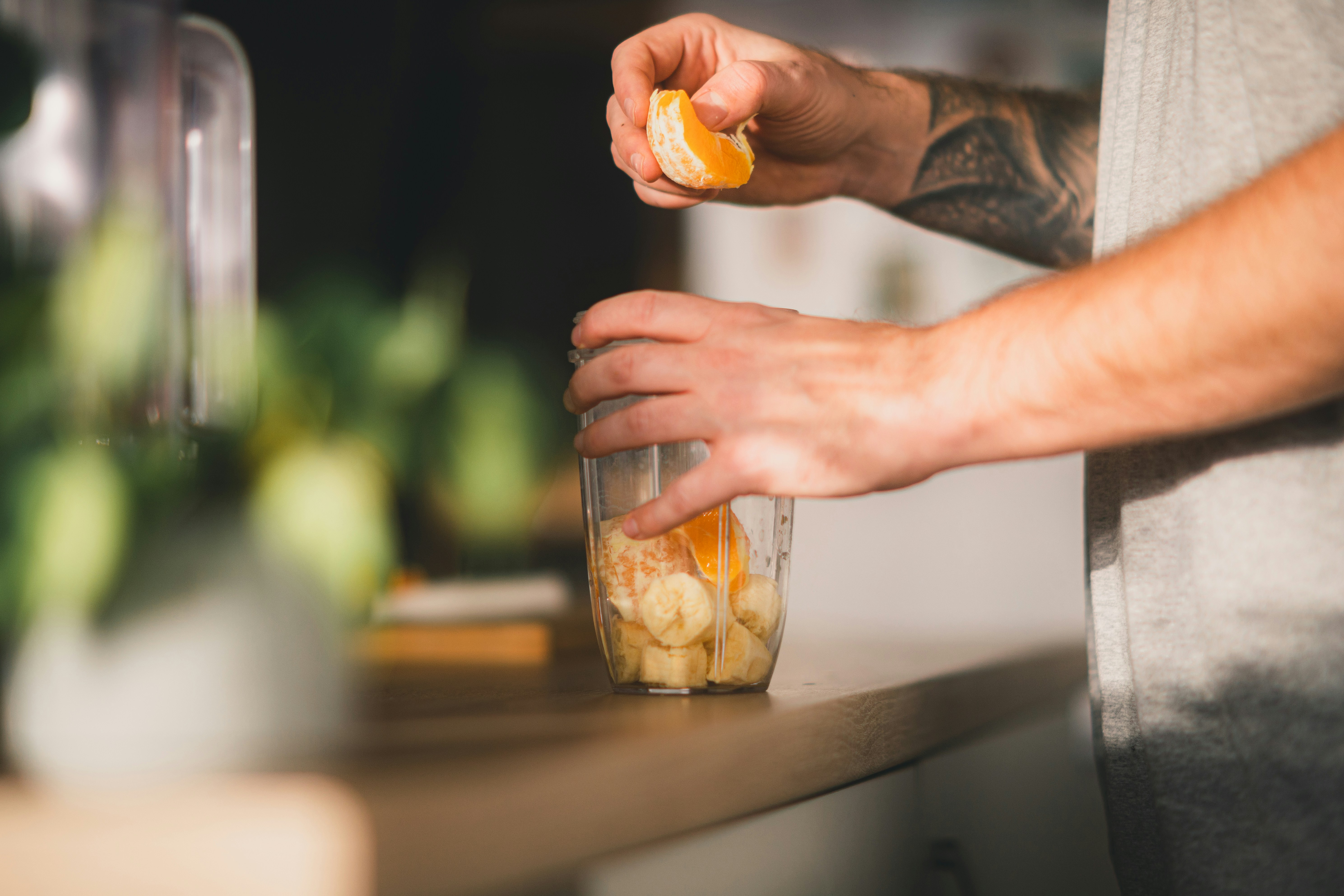
Add all the ingredients to a blender, starting with the liquid (milk) at the bottom, then the curd, banana, oats, peanut butter, and sweetener on top. Blend on high for 60 to 90 seconds until completely smooth. If the smoothie feels too thick, add a splash more milk. If it feels too thin, add another tablespoon of oats or a small piece of frozen banana. Pour into a tall glass or a sealed bottle for the commute, and consume within two hours for the best texture and freshness.
Why You Should Soak The Oats First
This is a small step that makes a noticeable difference. If you blend raw rolled oats directly, you will occasionally get a slightly grainy texture, especially if your blender is not particularly powerful. Soaking the oats in the milk or curd for fifteen to thirty minutes before blending breaks them down partially, resulting in a noticeably smoother, creamier texture. The easiest way to do this is to add the oats to the milk in your blender jar the night before, cover, and refrigerate. In the morning, add the remaining ingredients and blend. The whole process takes about three minutes.
Instant oats blend more easily than rolled oats without soaking, but rolled oats have a better nutritional profile — the processing involved in making oats instant reduces their fibre content slightly and increases the glycaemic index. For a smoothie where the whole point is slow energy release, rolled oats are the better choice.
Also Read: Why This Fermented Gujarati Cake Is One Of India’s Best Breakfasts
Variations To Try
The base recipe is your daily driver, but once you have it down, it is easy to customise depending on what you have at home, what season it is, or what you are in the mood for.
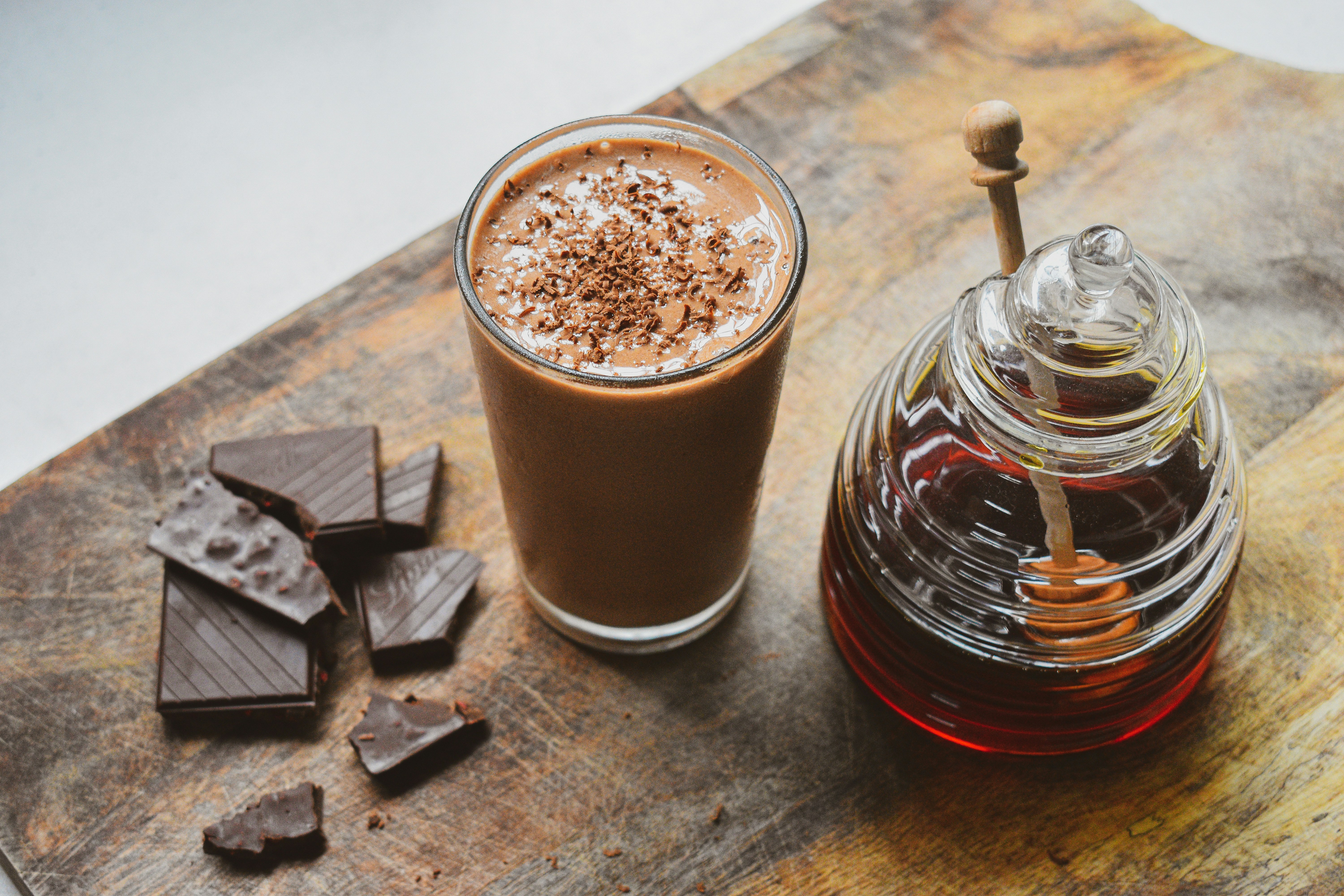
The Chocolate Version: Add a tablespoon of unsweetened cocoa powder and an extra teaspoon of honey. It tastes like a chocolate milkshake, covers about 20 grams of protein, and is the variation most likely to get children excited about a healthy breakfast. A half-teaspoon of instant coffee powder, along with the cocoa, makes it a mocha version — perfect for the mornings you want caffeine and breakfast in one go.
The Mango Lassi Smoothie: Replace half the banana with frozen mango chunks (readily available in Indian supermarkets or easily made by freezing ripe mango pieces). Use full-fat curd instead of milk, add a pinch of cardamom, and skip the peanut butter. The result tastes remarkably like a thick mango lassi but with the staying power of oats behind it.
The Seed-Boosted Version: Add a tablespoon of chia seeds and a tablespoon of pumpkin or sunflower seeds to the base recipe before blending. The chia seeds absorb liquid and thicken the smoothie further, and they add another 3 to 4 grams of protein along with omega-3 fatty acids. This version is particularly good if you are a vegetarian and looking to maximise the nutritional value of every ingredient.
The Post-Workout Version: Add a half-scoop of vanilla whey protein powder, increase the peanut butter to two tablespoons, and use full-fat milk. This takes the protein count to approximately 28 to 30 grams, which is a solid post-exercise recovery drink. Have it within thirty to forty-five minutes of finishing your workout for the best effect.
The No-Dairy Version: Replace the curd with a thick coconut yoghurt or soy yoghurt, and use oat milk or soy milk as the base liquid. The texture is slightly different, a touch lighter, but the flavour holds up well, especially with the peanut butter adding body and the banana adding sweetness.
Also Read: How I Make Lauki Kofta Curry With Koftas That Never Break
A Few Tips That Make A Real Difference
Freeze your bananas: When a banana is getting too ripe and spotty, peel it, break it into chunks, and freeze it in a zip-lock bag or container. Frozen banana makes the smoothie thick, creamy, and cold without needing ice cubes, which dilute the flavour. A batch of frozen bananas in the freezer means you are always ready to make this smoothie.
Use thick curd, not watery curd: If your curd has separated and is sitting in liquid whey, strain it or use a different container. Watery curd makes the smoothie thin and slightly bland. Hung curd or Greek yoghurt gives you the best result.
Do not skip the pinch of cinnamon: It sounds like a minor addition, but cinnamon has a remarkable effect on the overall flavour. It adds warmth and a subtle spice that makes the smoothie taste more complex and less like something you are drinking out of obligation. It also has some evidence behind it for helping regulate blood sugar, which fits nicely with the whole slow-energy-release philosophy of this drink.
Blend the oats first if your blender is not powerful. Pulse the dry oats alone for fifteen to twenty seconds before adding the other ingredients. This breaks them into a finer powder and prevents any grainy texture in the final smoothie.
There is a version of a good morning that does not require waking up an hour early, spending time at the stove, or eating something that tastes like a compromise. This smoothie is that version. Five minutes, one blender, a handful of ingredients that are already in your kitchen, and a breakfast that genuinely does its job, keeps you full, keeps you focused, and tastes good enough to actually want again tomorrow. Make it once, and you will understand why it is the kind of recipe that quietly becomes a habit.