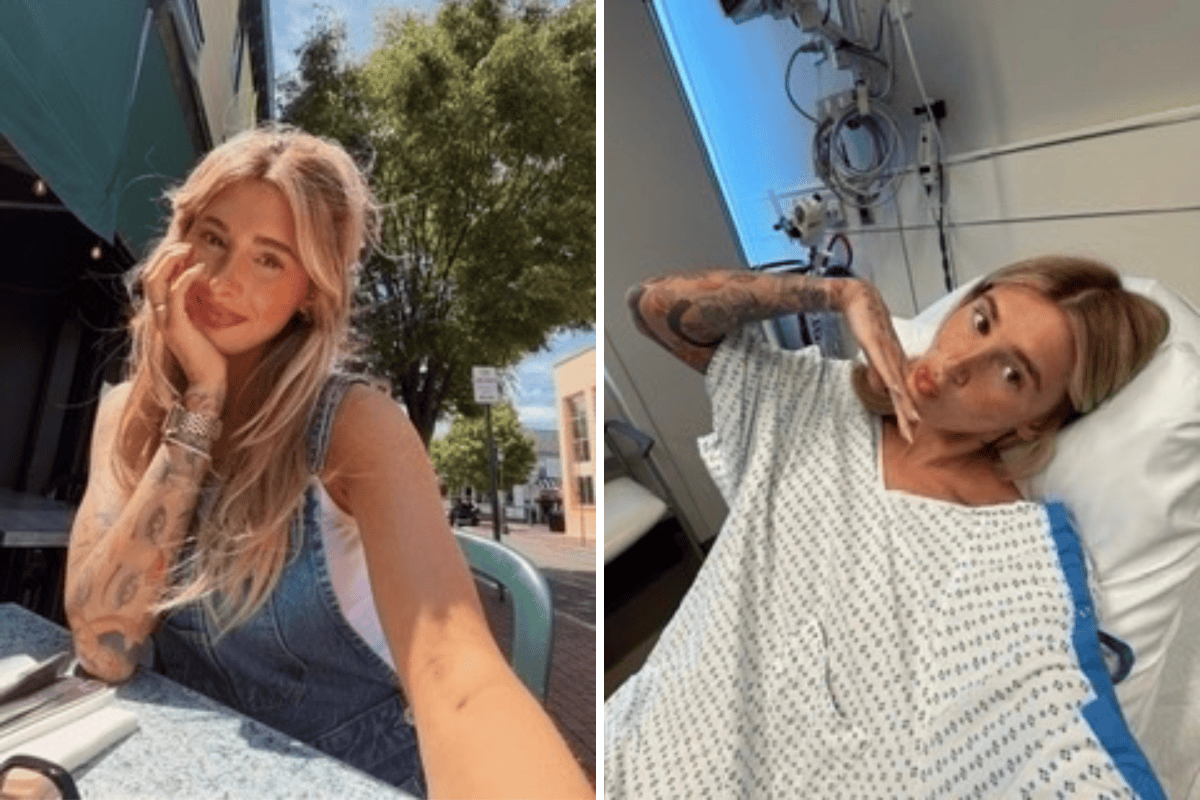
A lash technician who developed a lump in her neck told herself it was nothing, and she thought her shoulder pain was simply caused by the physical strain of her work, only for scans to reveal the devastating truth.
For eight years, Sarah Esposito, 26, steadily built her career in the beauty industry, working as a lash technician and a permanent makeup artist. She told Newsweek that she “genuinely loved” her job and was glad to devote so much of her time to the work.
But everything changed in February 2026 when Esposito from Toms River, New Jersey, woke one morning to discover a lump in her neck.
“One of the earliest signs that something was wrong was a lump in my neck,” Esposito said. “I noticed it months before my diagnosis, but I never imagined it could be something serious.”
At first, she believed it was a kink in her neck caused by sleeping awkwardly.
She also started to experience a sharp pain in her shoulder in the weeks that followed. As much of her work requires leaning over patients during procedures, she presumed it was just part of the regular back ache she had grown accustomed to.
Nonetheless, Esposito couldn’t quite shake the feeling that something was wrong.
As a result, she arranged an appointment with her doctor to get the lump in her neck checked.
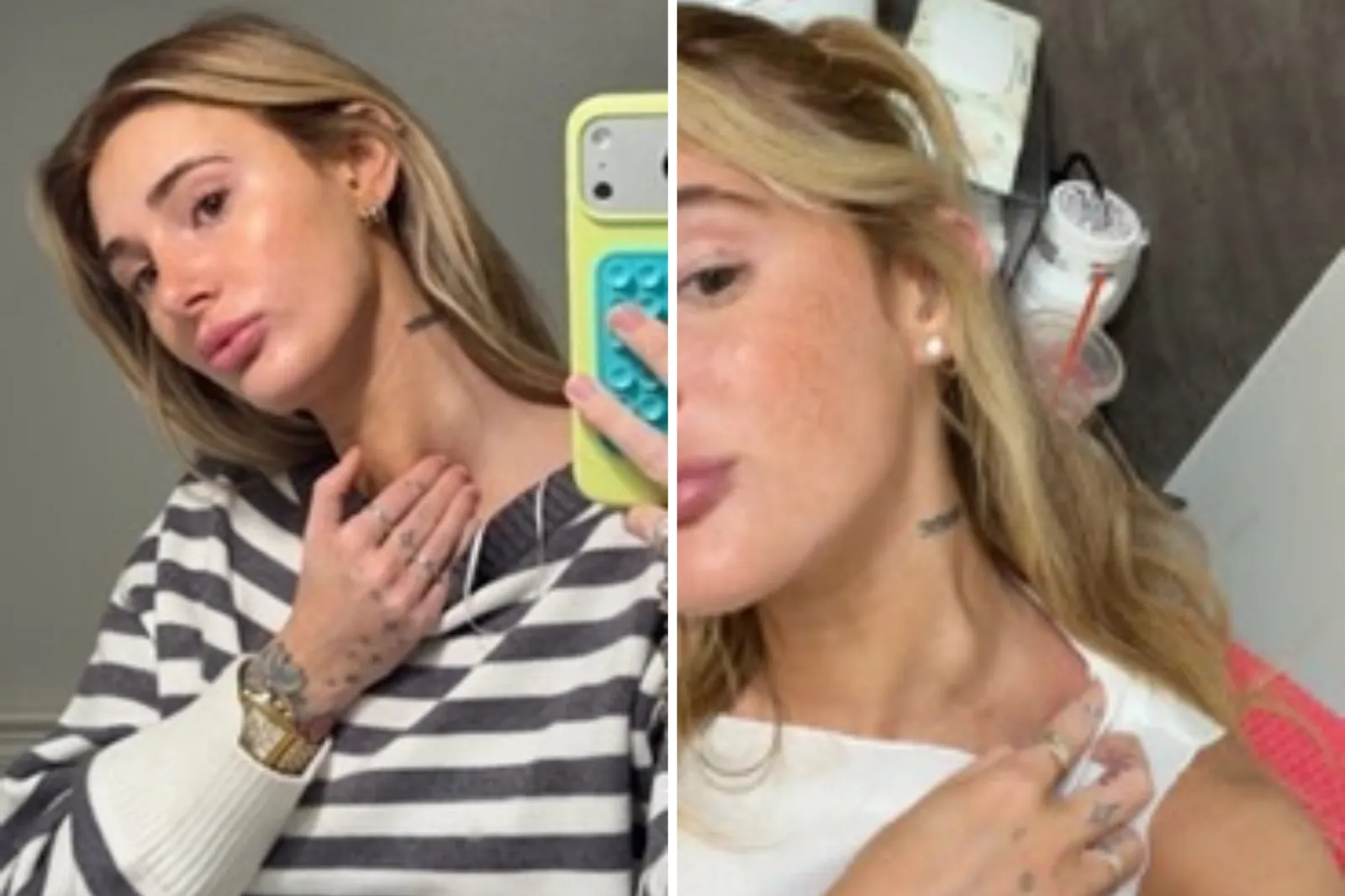
“Eventually, I began experiencing other symptoms, including pain in my chest and back, especially when taking deep breaths. What I didn’t know at the time was that I had a large mass growing inside my chest,” Esposito continued.
She underwent a PET scan which showed cancerous lymph nodes in her neck and chest, as well as a seven-centimeter mass in her mediastinum (the thoracic cavity between the lungs).
“After undergoing several tests, scans, and a biopsy, I was diagnosed with classic Hodgkin lymphoma, a type of blood cancer, in June 2026,” Esposito said.
“Hearing the words ‘you have cancer’ at 26 is something I don’t think I could ever fully describe. One minute, you’re living your normal life, and suddenly, the future you pictured for yourself feels uncertain.”
What is Hodgkin lymphoma?
Hodgkin lymphoma is a cancer that affects the lymphatic system, most commonly found among people in their 20s, 30s, and those over 65. Symptoms may include swollen lymph nodes, fever, fatigue, night sweats, weight loss and itchy skin.
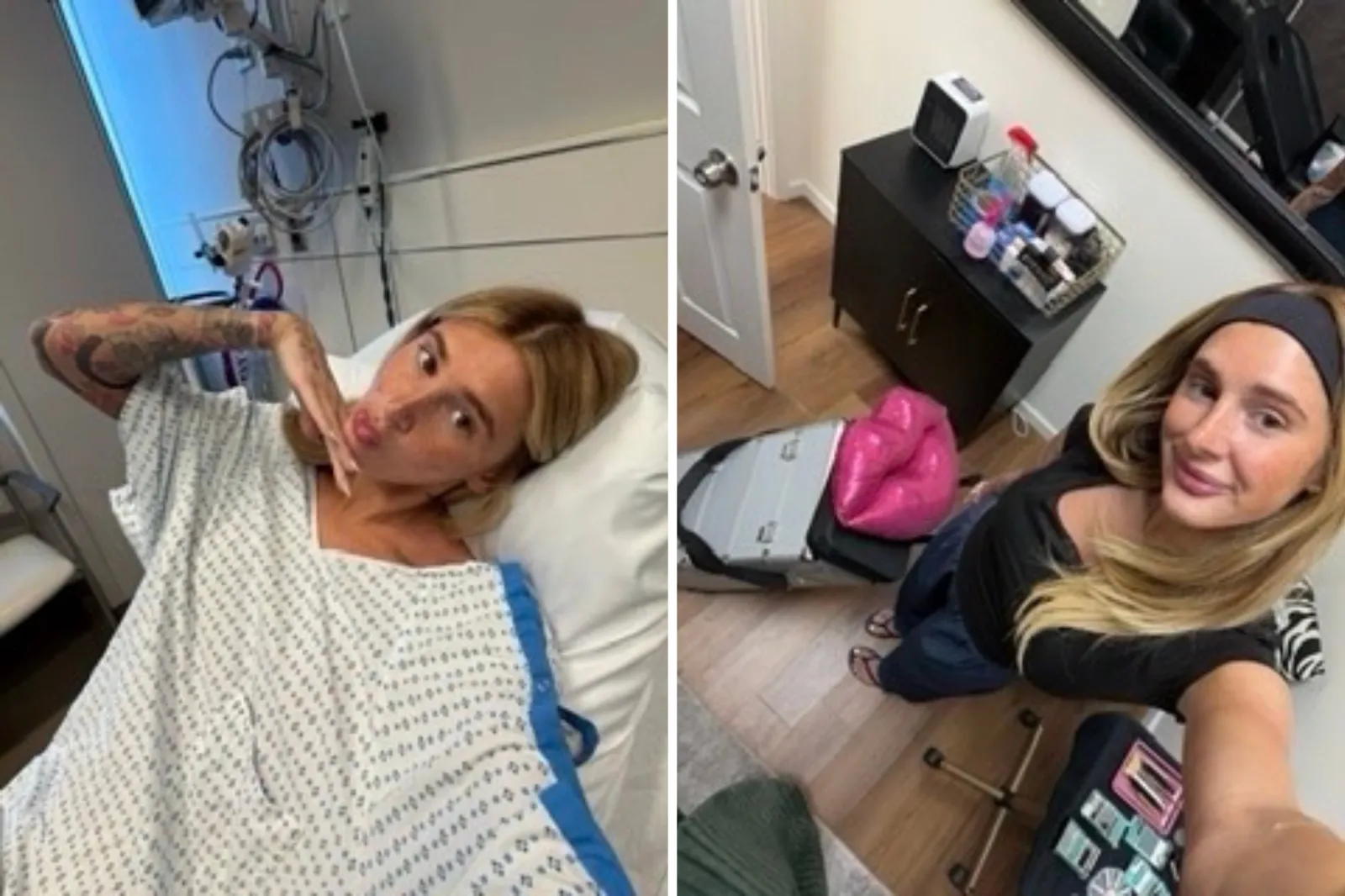
Rather than channeling her energy into her work and hobbies, Esposito now says her life revolves around medical appointments, scans, blood work and cancer treatment.
Indeed, cancer is not only impacting her physical health, but her career too. Esposito’s oncologist recommended that she should “step away from that line of work” due to the risks associated with chemical exposure.
“Having to walk away from my career was devastating,” Esposito told Newsweek. “It wasn’t just about losing my income, but also losing part of my identity, independence, routine, and something I had worked incredibly hard to build.”
Dr. Luke Sorrell, a board-certified internal medicine physician and founder of Sorrell MD, told Newsweek that the oncologist’s caution is “reasonable,” given the established link between certain chemicals and some cancers.
“When I run environmental toxin panels on patients, it’s rare to find someone with no meaningful exposures,” Sorrell said. “Most people carry several at once, including phthalates and parabens from personal care products and plastics.”
“We can’t say her work caused her lymphoma. But she, like most of my patients, was likely exposed to many chemicals every day, and we’re only beginning to understand how those exposures add up,” he continued.
Researchers have previously drawn a link between benzene and acute myeloid leukemia, asbestos is linked to lung and ovarian cancers, and formaldehyde has been linked to sinus cancers and leukemia. While no chemical has been directly associated with causing classical Hodgkin lymphoma, Sorrell says more research is needed.
He continued: “Lash adhesives are made from cyanoacrylate, which can release formaldehyde as it cures, and some adhesives contain formaldehyde directly. Some permanent makeup pigments contain azo dyes that can break down into aromatic amines, carbon black with traces of polycyclic aromatic hydrocarbons, and heavy metals.”
What Does Treatment Entail?
Prior to starting treatment, Esposito had to face a major decision regarding her future. She always imagined herself as a mother one day, but suddenly, at the age of 26, she had to figure out her plans for a family because chemotherapy could impact her fertility.
Ultimately, she made the decision to undergo an egg retrieval procedure on July 11 so they could be frozen. While she remains incredibly grateful that she was given the opportunity to preserve her fertility, Esposito wishes it was not something she even had to consider.
She said: “In the middle of trying to process a cancer diagnosis, I was also attending fertility appointments, giving myself hormone injections, and going through an egg retrieval. It was physically and emotionally overwhelming.
“While most people my age are thinking about their careers, relationships, and what they want to do next in life, I was thinking about cancer treatments and whether I would still have the opportunity to become a mother someday.”
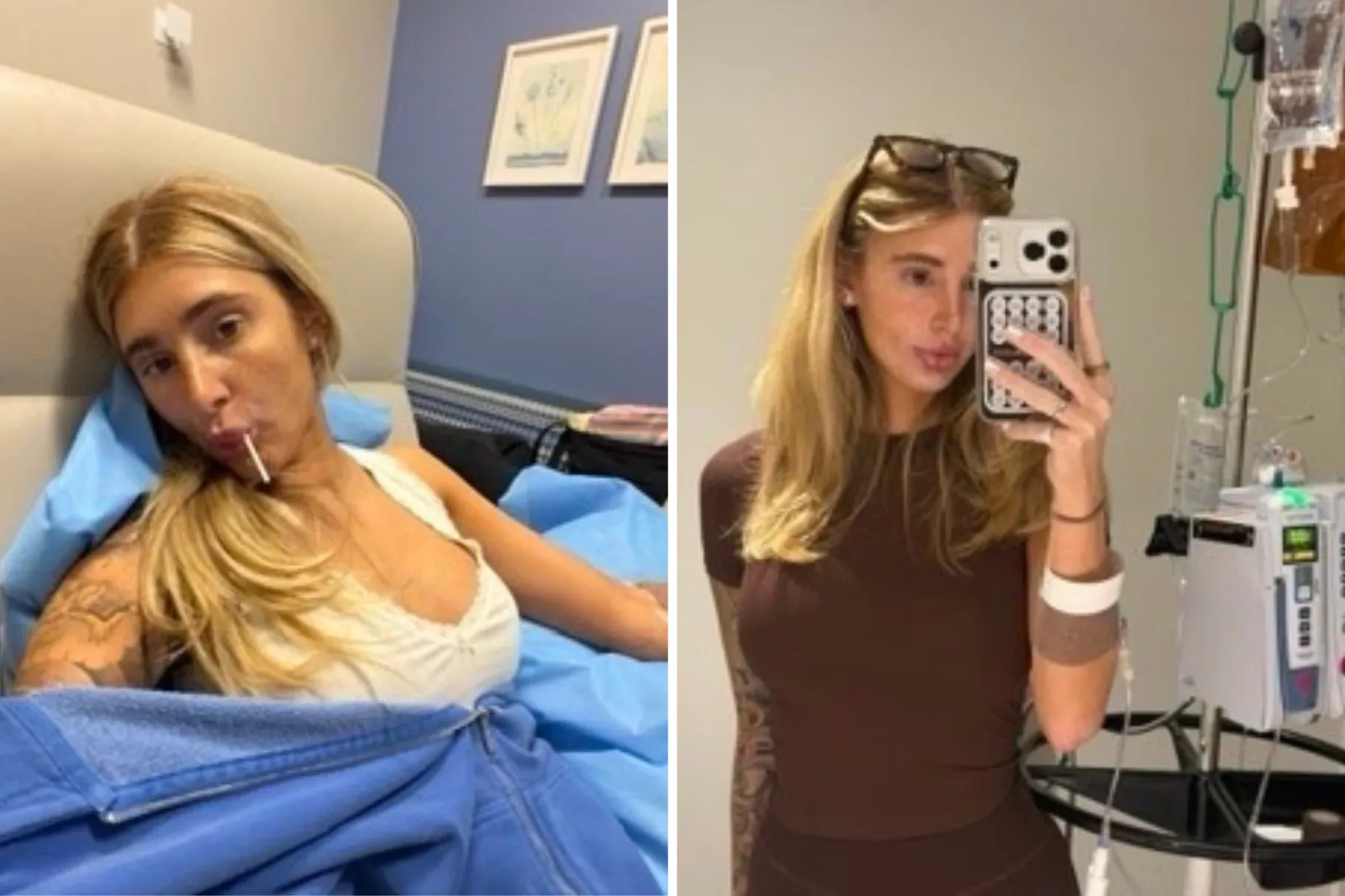
Six days after the egg retrieval, Esposito started her first round of chemotherapy treatment. Her regimen plan consists of six cycles, and it has already been one of the most challenging experiences she has had to endure.
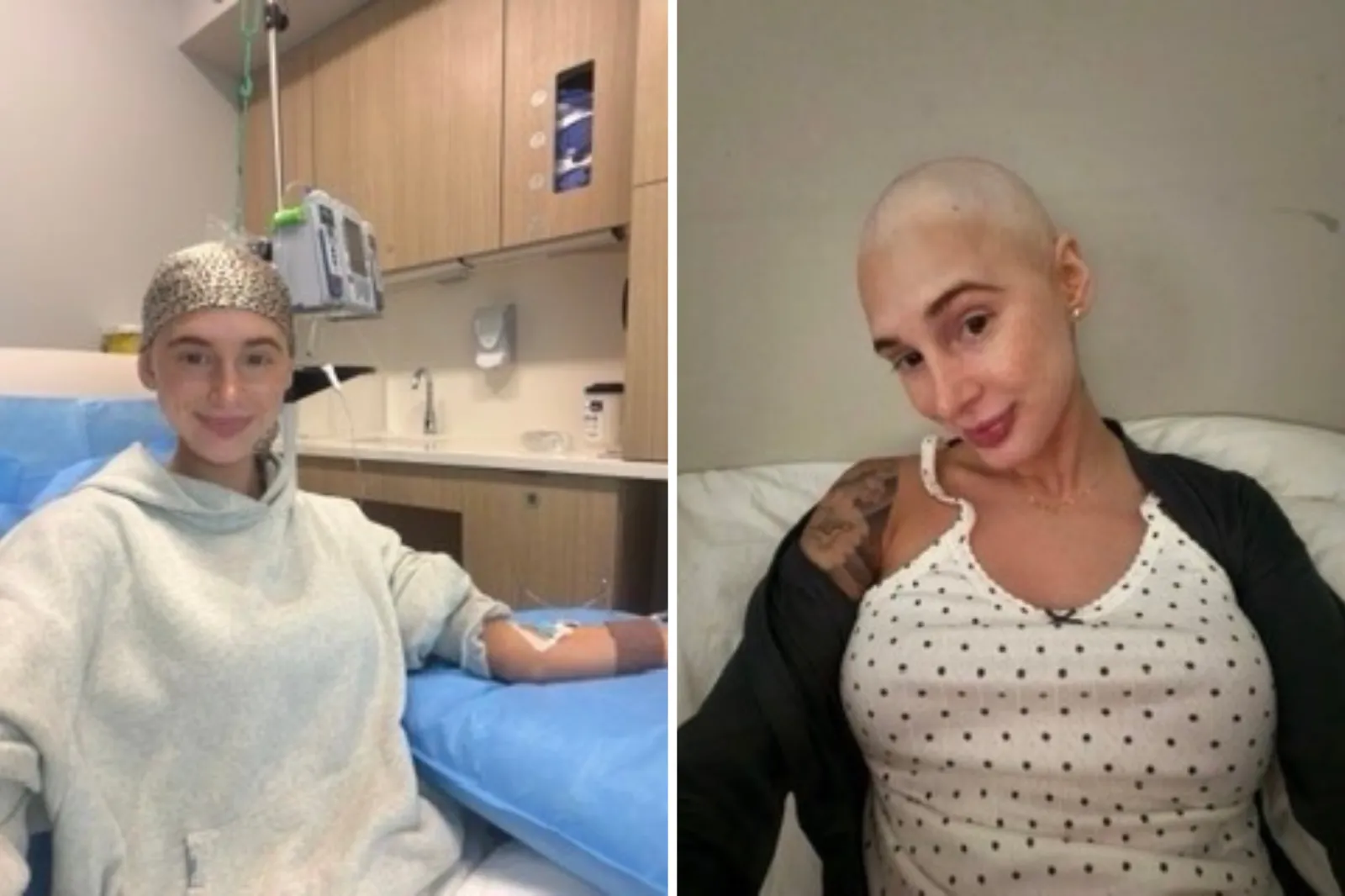
She has had to deal with exhaustion, bone pain and nausea, but the most emotional change was when she began losing her hair. Seeing large clumps fall out made everything feel so much more visceral for Esposito, and she ultimately made the decision to shave her head.
“Although I knew hair loss was a possibility, nothing truly prepares you for looking in the mirror and seeing such a drastic change,” she said. “As someone who spent years working in the beauty industry, my appearance and ability to express myself through beauty had always been important.”
Esposito’s experience of healthcare has inspired her to pursue a career in nursing. She has returned to college to work toward that goal, and hopes to help other patients in the future.
Throughout this, Esposito has been documenting her cancer journey on social media (@sarahespositoo on TikTok). Being a young woman with cancer can be isolating, and it’s daunting to have to make so many life-changing decisions in quick succession, but Esposito has been able to connect with many others and has built a supportive online community.
Staying positive is a priority for Esposito, but it has also been important for her to be honest about just how grueling cancer can be.
“There are days when I’m grateful, hopeful, and feeling strong, and there are other days when I’m frustrated, emotional, and grieving the life I had before my diagnosis. I think both feelings can exist at once,” Esposito said.
Contact Newsweek editors on this story: Charlotte Nisbet and Tony Phillips.
Is there a health issue that’s worrying you? Let us know via health@newsweek.com. We can ask experts for advice, and your story could be featured on Newsweek.